The Rise of the Musical Athlete: How Fitness is Redefining the Music Industry
In a dramatic departure from the notorious "sex, drugs, and rock and roll" ethos of past decades, today's top musicians are embracing rigorous fitness regimens to power through demanding tours and dynamic live shows. This transformation highlights a new era where health and athleticism are paramount for sustaining long careers in the music industry.
Leading the Charge: Harry Styles, Taylor Swift, and Tom Grennan
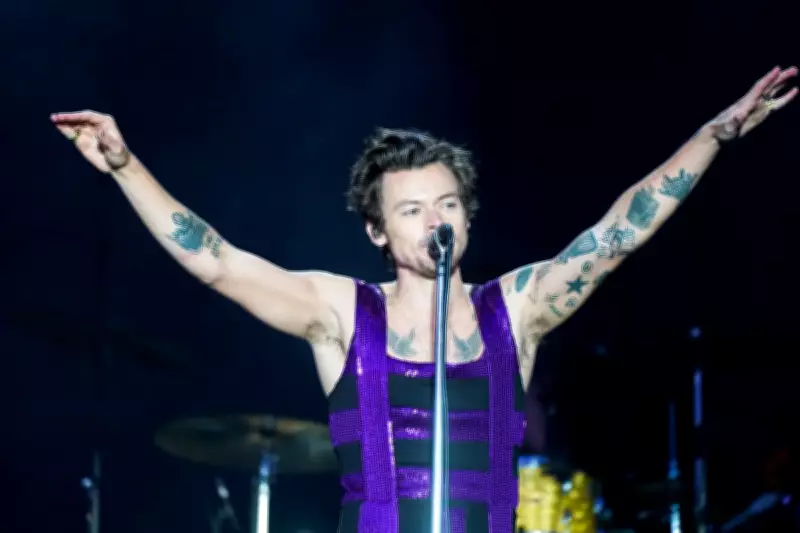
Harry Styles recently made headlines by gracing the cover of Runner's World after completing the Berlin marathon in an impressive sub-three-hour time. In an interview with renowned author Haruki Murakami, Styles reflected on how Murakami's work liberated him from the notion that music must be an unhealthy profession. "Being healthy makes you able to be an artist for a long time," Styles emphasized. "You can be a structured, healthy person and make great work."
Similarly, Taylor Swift reportedly runs eight miles on a treadmill while singing her entire catalogue to prepare for her electrifying performances. At last year's Glastonbury festival, Tom Grennan treated his set like a high-intensity interval training (HIIT) workout, sprinting across the stage and removing his shirt to enthusiastic applause. His trainer, Tom Lowe, founder of LowFlo gym, describes Grennan as a "musical athlete" who burns 800 to 1,000 calories per show while managing vocal health and avoiding injuries.

The Necessity of Fitness in Modern Music
In today's music landscape, cancelled shows are not only disappointing for fans but also financially and professionally damaging for artists. With high-energy performances and elaborate production values becoming the norm, audiences expect peak physical condition from performers. Trainers like Lowe focus on building and maintaining a musician's fitness without causing burnout between shows.
For Harry Styles, this involved stair sprints and accessible workouts behind the scenes, along with techniques to balance the sympathetic and parasympathetic nervous systems. Thibo David, Styles' trainer from 2018 to 2021, noted that "during a tour, it's more about maintaining than building" to prevent injuries that could disrupt tours and photo shoots.
Tom Grennan's approach includes tracking sleep and health metrics with a Whoop band, performing resistance band workouts in hotel rooms, opting for nutrient-dense meals over takeaways, and establishing consistent recovery routines. Lowe highlights Grennan's dedication: "We're three or four years deep into working together, he's probably gone past 60 shows in that time, and he's never cancelled. Something's going right there."
The Psychological and Physical Benefits of Fitness
Exercise offers more than just physical stamina; it triggers the release of dopamine and endorphins, enhancing mood and mental well-being. Joshua Davidson, a lecturer in clinical exercise science at the University of Derby, explains that "engaging in novel or physically challenging activities can stimulate the release of dopamine and endorphins, which create feelings of pleasure and satisfaction."
For Grennan, fitness has become a source of endorphin release and a way to manage anxiety, replacing previous habits with a healthier lifestyle. Lowe observes that Grennan's commitment to training has led to significant physical changes, such as increased leg muscle, and has contributed to more positive life experiences overall.
Training Regimens Inspired by the Stars
For those inspired by these musicians, here are simplified versions of their workout routines:
- Harry Styles' Bodyweight Challenge: Complete 100 press-ups, 100 sit-ups, and 100 squats in eight minutes, partitioning exercises as desired.
- Tom Grennan's Resistance Band Workout: A three-part circuit using resistance bands for upper body exercises, including rows, presses, and curls, performed in timed intervals with rest periods.
These regimens underscore the shift towards a healthier, more sustainable approach to music, where fitness is not just a trend but a fundamental aspect of artistic longevity and performance quality.