

Mother's Devastation as Private Scan Fails to Detect Son's Severe Brain Abnormality
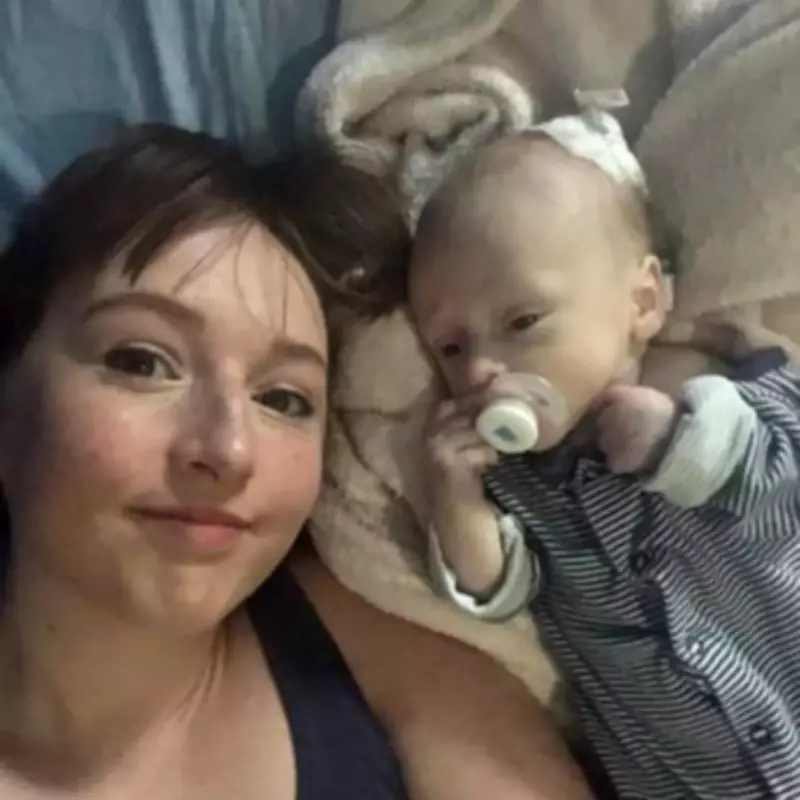
Charlotte Tolley, a 36-year-old mother of three, has shared her heartbreaking story after her son Lucas was born with severe disabilities, including half his brain missing, despite multiple scans at a private maternity clinic declaring him healthy. The private sonographer failed to identify clear abnormalities, leading to a lifetime of care needs for Lucas, who suffers from cerebral palsy, epilepsy, septo optic dysplasia, open lip schizencephaly, and bilateral polymicrogyria.
Missed Diagnosis and Lifelong Consequences
Charlotte attended the private clinic for scans after a traumatic experience at an NHS appointment where she had previously lost a baby. She was reassured that everything was normal, even after specifically asking about abnormalities. However, after Lucas's birth, she noticed feeding difficulties, jaundice, and other signs that something was wrong. Trusting her instincts as an experienced parent, she sought emergency care, where a cranial ultrasound revealed the shocking truth: Lucas was missing half his brain.
Charlotte recounted the moment of diagnosis: "The doctor dropped the ultrasound machine and looked panicked. He told me, 'Your son has half of his brain missing.' I was stunned—how could he survive?" An emergency MRI confirmed the condition, which experts later said was clearly visible in the original private scans.

Campaign for Regulation and Transparency
Charlotte has since launched a campaign called "Lucas's Law" and started a petition urging Parliament to regulate private maternity clinics. She highlights that anyone with an ultrasound machine can currently call themselves a sonographer, leading to dangerous oversights. Her goal is to make sonography a regulated profession to protect other families from similar heartbreak.
"These clinics are money-hungry vultures," Charlotte said, criticizing the profit-driven nature of some private services. She reached an out-of-court settlement with the clinic but wants to use the funds to support other mothers, creating a trusted resource amid NHS pressures.
Broader Risks in Private Scanning Industry
Medical negligence experts, including Amy Heath from Stewarts law firm, warn that Charlotte's case, while extreme, exposes systemic issues. Private clinics often lack proper oversight, and the NHS frequently "mops up" their mistakes. In November, the Society of Radiographers issued warnings about high-street baby-scan clinics, citing instances where misdiagnoses led to unnecessary procedures or missed life-threatening conditions like ectopic pregnancies.
Elaine Brooks, a former hospital sonographer, shared alarming examples, such as a woman nearly induced for a miscarriage based on a private scan error, when her pregnancy was actually healthy. Other cases involve missed abnormalities like spina bifida, detected only later in NHS scans.
Personal Struggle and Advocacy
As a single mother, Charlotte provides round-the-clock care for Lucas, who is blind and requires lifelong support. She expressed fears about his future, saying, "I sometimes wish I could outlive my own son because I worry about him being alone without support." Despite a bleak initial prognosis, Lucas has made remarkable progress, walking and using a cane, though he still needs a wheelchair at times.
Charlotte believes that if the abnormality had been flagged, she would have had the choice to terminate the pregnancy due to her circumstances as a single parent with other children. Her advocacy aims to ensure no other parent endures such a preventable tragedy, pushing for stricter controls and transparency in the private scanning industry.






