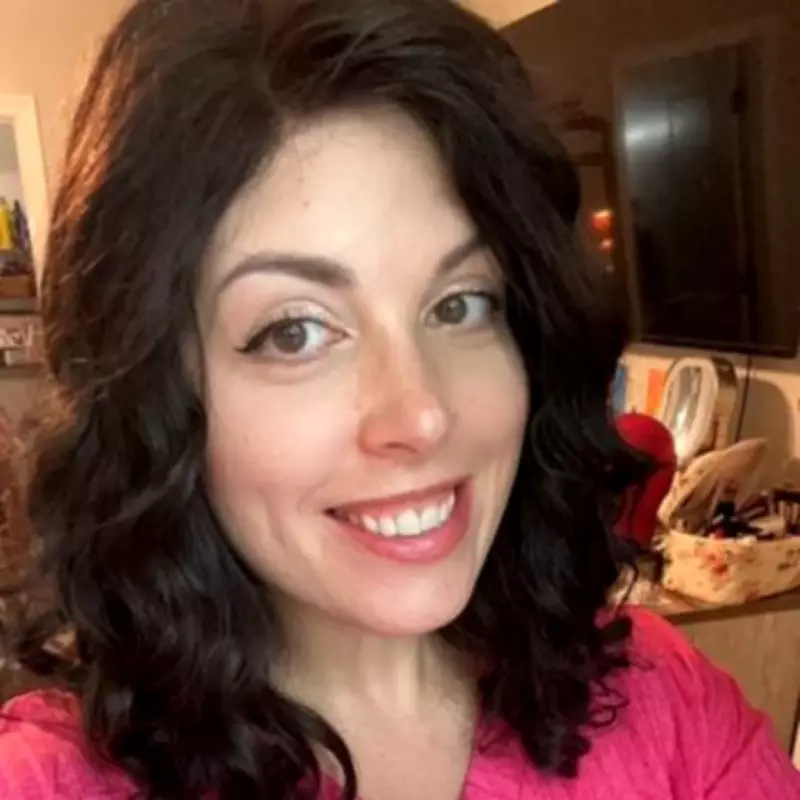
A mother who was given only a year to live after being diagnosed with an aggressive and terminal brain cancer has revealed she is now cancer-free. Kimberly Pelling, 42, began experiencing seizures in August 2022, just four months after giving birth. Doctors discovered a brain tumour that was later confirmed to be a grade-four IDH-mutant anaplastic astrocytoma, an aggressive form of cancer that is typically considered incurable.
Diagnosis and Initial Treatment
“I remember hearing the words and feeling like the ground disappeared beneath me,” Kimberly said. “They were talking about timelines, and all I could think was, ‘I have babies at home. I can’t leave them.’” She went from being a busy mother planning for the future to suddenly fighting for her life. A teacher, keen runner, and mother of two boys, Raymond (now five) and Barrett (now four), Kimberly immediately began standard treatment. She underwent major brain surgery, followed by five weeks of radiation and months of chemotherapy.
Devastating Prognosis
Eight months later, scans revealed a new fast-growing, inoperable tumour. Doctors delivered the heartbreaking prognosis that she probably had around a year to live, with one specialist suggesting she might survive no more than three years. “It was devastating,” Kimberly said. “But at the same time, I felt this quiet voice telling me not to give up. I believed God still had a plan for me, even when everything looked impossible.”

Before her diagnosis, she had experienced sudden unexplained seizures leading to an emergency hospital visit, along with extreme fatigue, persistent brain fog, and neurological changes affecting daily life. It was during tests following those seizures that doctors discovered the tumour.
Choosing an Alternative Path
Although further chemotherapy and radiation were offered, Kimberly chose in 2023 to refuse additional conventional treatment. She said the side effects left her too unwell to be the present, energetic mother she wanted to be. “I didn’t want my children’s memories of me to be lying sick in bed all the time,” she explained. “If I was going to fight, I wanted to fight in a way that let me still be their mum.”
Instead, she began researching survivor stories, nutrition, supplements, and lifestyle changes, determined to support her body in every possible way. “I thought, if I’m going to die anyway, I have nothing to lose by trying,” she said. She created her own protocol based on what other survivors had done and kept adjusting it as she went. She prayed constantly and asked God to guide every decision.
Her Personal Protocol
Her routine included strict dietary changes designed to eliminate sugar, daily running and exercise, carefully selected supplements, ongoing brain scans monitored by supportive doctors, and a strong focus on prayer and faith. She stresses that her approach is not medical advice, but simply her personal experience.
The Tumour Begins to Shrink
For months, there was no certainty the changes were working. Then, after eight months, scans revealed something extraordinary: the tumour, which had previously been doubling in size, had begun to shrink. Over the following year, it reduced from 3.5cm to just 1.1cm, eventually becoming difficult to detect. Her doctor, she says, could not fully explain the turnaround. “I just cried,” Kimberly said. “Not because I understood it medically, but because I felt like God was answering prayers in real time. It gave me hope again.”
Living with ADHD and Cancer
Alongside cancer, Kimberly also lives with ADHD but has chosen not to take stimulant medication, explaining that drugs such as Adderall or Ritalin can lower the seizure threshold, something brain cancer already affects. Instead, she focuses on vitamins, herbal support, and nutrition to help with concentration and energy, sharing her experiences openly online. One poignant moment she shared came when her young son asked why her drink was blue. Kimberly explained she was taking methylene blue, a compound historically used in medicine and sometimes linked in research to cellular energy and brain function, again stressing it was her personal choice rather than clinical guidance.

“I tell people this is my journey, not a prescription,” she said. “I just want to share hope with anyone who feels like they’ve run out of options.”
Reclaiming Her Identity
Cancer treatment left her battling fatigue, brain fog, and hair loss, which are common side effects for astrocytoma patients. In a powerful step toward reclaiming her identity, she recently underwent a hair transplant. “Losing my hair was one of the hardest visible reminders that I was sick,” she said. “The transplant wasn’t about vanity, it was about feeling like myself again after everything cancer had taken.” Seeing her new hairline for the first time proved deeply emotional. “It looked natural, like mine again,” she said. “I finally felt like I was becoming whole again after cancer took so much.”
Cancer-Free: A Miraculous Outcome
In 2025, Kimberly attended another routine brain scan, still aware of the grim prognosis she had once been given. This time, doctors delivered news she once believed impossible: there was no visible cancer. After being told she might only have a year to live, she now describes herself as cancer-free. “I walked into that appointment prepared for anything,” she said. “Hearing there was no evidence of cancer felt surreal. I just kept saying, ‘Thank you, God.’”
Life Today
Today, the mother of two continues to run, raise her sons, and share daily life online, documenting everything from workouts and meals to quiet moments of prayer. She remains realistic about the uncertainty of brain cancer but unwavering in her faith. “I could still die from this disease,” she said. “But I will praise God until my last breath. Every extra day with my boys is a miracle to me. It’s about showing up for my boys and my husband, Ed. It’s about gratitude and faith. And it’s about believing that even when doctors give you a timeline, your story might not be over yet.”