

Mothers diagnosed with cancer demand maternity leave reform to protect bonding time
Campaigners are intensifying calls for legislative reform across the United Kingdom, as mothers diagnosed with cancer during pregnancy or shortly after childbirth reveal they are spending their maternity leave undergoing life-saving treatment instead of bonding with their newborns. The issue highlights a critical gap in current employment and parental support systems that leaves vulnerable families facing emotional and financial devastation.
A mother's battle against cancer during maternity leave
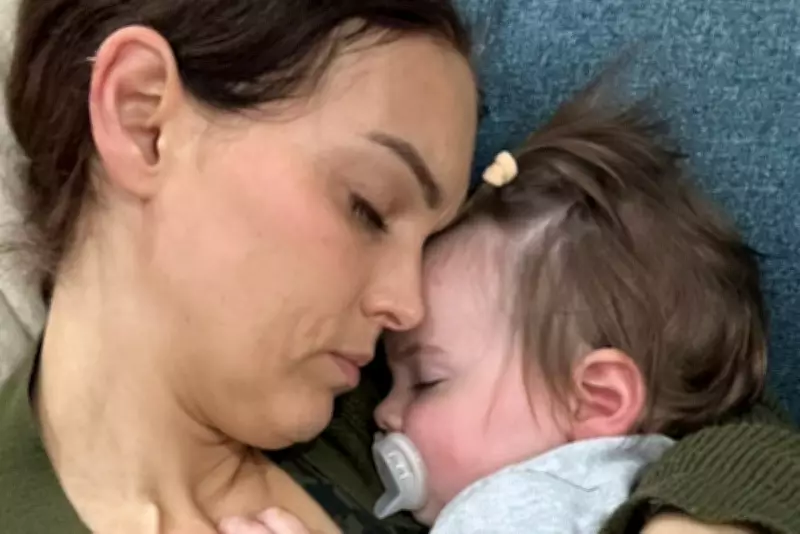
Anna Priest, a 41-year-old mother of three, discovered a lump in early 2024 while breastfeeding her youngest daughter Ivy, who was just four months old at the time. Medical examinations confirmed a breast cancer diagnosis in May that year, after waiting until Ivy began weaning prematurely. What followed were months of gruelling treatment including sixteen rounds of chemotherapy, surgery that prevented her from carrying her infant daughter, and the difficult decision to use a cold cap treatment that extended her hospital stays away from her newborn.
"It was a real battle for me as I was leaving little baby Ivy at home, then I would be at home and feel dreadful with the side effects," Priest told The Independent. "It was not the maternity leave I'd planned, [of] baby clubs and spending time with other mums. [There are] milestones you feel you're missing out on, as well as bonding time that's so precious."

The systemic problem affecting hundreds of mothers
Under current UK legislation, maternity leave must commence at childbirth and cannot be paused or postponed, creating what campaigners describe as a cruel paradox for mothers facing serious health crises. According to charity Mummy's Star, which supports women diagnosed with cancer in or around pregnancy, at least two women in the UK receive cancer diagnoses during pregnancy or within the first year postpartum every single day. This translates to hundreds of mothers annually who lose substantial portions of their designated recovery and bonding period to medical treatment.
Mummy's Star's recent survey revealed that ninety-four percent of responding mothers reported their maternity leave was significantly disrupted by their cancer diagnosis. The charity has launched the #SaveOurBond campaign, urging the government to implement legislative changes that would allow maternity leave to be deferred until cancer treatment concludes. The proposed reform suggests women on maternity leave would automatically transition to sick leave upon receiving a serious diagnosis, then resume their maternity leave once medically able, before returning to employment.
Financial and emotional devastation
For Anna Priest, who was freelancing and receiving statutory maternity pay when diagnosed, the financial consequences proved brutal. Her maternity payments ceased just two months after diagnosis, and she was unaware of her eligibility for sick leave, discovering the application process to be arduous during her health crisis. "When you're fighting for your life and your kids, that's not the sort of thing you prioritise," she explained. This resulted in a six-month period with no income whatsoever, a stressor that frequently forces women back to work prematurely despite ongoing treatment.
"It's just another thing to worry about. My mental health throughout this has been ripped to shreds," Priest revealed. "You're not only thinking about your children, but also, 'Am I going to survive this? What's my legacy?' The emotional toll this has taken on me – it's kicking you when you're down. That mental pressure when you should be fighting for other things such as your life, and then the financial impact on us."

Growing political support for legislative change
The campaign has garnered significant political backing, including from Labour MP John McDonnell, former shadow chancellor, who stated: "At the request of several constituents, I met the 'Save our Bond' campaigners. This campaign asks that mums and birthing parents diagnosed with cancer in or around their pregnancy are allowed to defer their maternity leave until their treatment is complete. Really good idea – I support." Grahame Morris MP has also endorsed the proposed reforms.
Anna Priest, who now serves as a trustee for Mummy's Star, emphasizes that the necessary legislative amendment would be minimal yet transformative. "It's only a tiny amendment, yet makes such a significant difference to women such as myself's lives – I feel completely and utterly robbed," she asserted. "Sick leave is sick leave, maternity leave is maternity leave. We want the law to be changed so you can make that clear distinction and still be allowed to have that precious maternity leave for the purpose it was intended – which is to bond with your child."
Government response and international precedent
A UK government spokesperson acknowledged the devastating impact of cancer diagnoses during maternity leave, stating: "Receiving news of a cancer diagnosis is devastating for individuals and families at any time, especially for mothers on maternity leave who should be spending that precious time bonding with their newborn baby." The spokesperson referenced the National Cancer Plan and an ongoing parental leave review exploring better support for working families.
Campaigners point to Ireland's 2024 implementation of similar reforms as evidence that such legislative changes are both feasible and effective. The proposed UK amendment would align with growing recognition that parental support systems must accommodate serious health crises without penalizing families during their most vulnerable moments.





