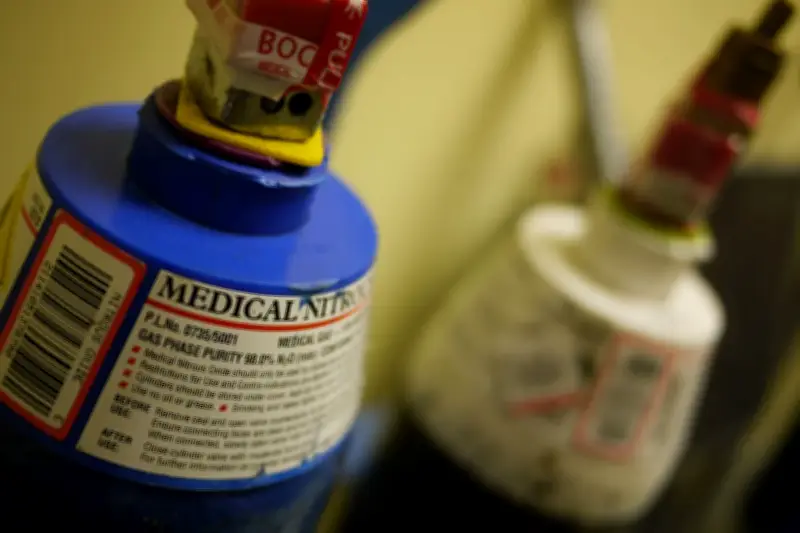
More than 120 midwives and maternity staff have been awarded almost £750,000 in compensation after being exposed to high levels of nitrous oxide. The compound is the main component in gas and air, widely used for pain relief in labour. While it is safe for women to use during birth, long-term exposure can have serious side effects.
Exposure at Basildon University Hospital
The Royal College of Midwives (RCM) said staff at Basildon University Hospital were exposed between 2021 and 2023 due to poor ventilation on the maternity unit and leaking gas lines. Midwives reported experiencing symptoms such as fatigue, headaches, brain fog and anxiety.
Thompsons Solicitors, working with the trade union, took legal action on behalf of more than 120 workers, including roughly 80 RCM members, with a settlement of almost £750,000 agreed.
Legal and review findings
Daniel Poet, partner and disease specialist at Thompsons Solicitors, said: “We’re proud to have secured compensation for our clients, but they should never have been put at risk in the first place. The trust knew about the dangers in 2021, but staff weren’t told until the following year and it took another year for safety measures to be introduced. That delay is unacceptable. Lessons need to be learned. This is about protecting workers today and for generations to come. Staff must be able to trust that their health and safety comes first.”
An independent review two years ago by the Good Governance Institute found there was an “unacceptable delay” by Mid and South Essex NHS Foundation Trust in its response to concerns about dangerous levels of the gas. It concluded midwives and other staff on the maternity unit were “exposed to unnecessary risk or potential harm” and that high levels of gas on wards “needed to be treated as a significant risk to health” when concerns were raised in July 2021, but this was not done until October 2022.
Reactions and next steps
Gill Walton, chief executive and general secretary of the RCM, said: “For years, midwives at Basildon were breathing in nitrous oxide at dangerous levels while they cared for women and babies. Even once the problem had been discovered, it was more than a year before staff were told. That is simply not acceptable and no midwife should ever be treated that way.” Ms Walton hailed the settlement as a “landmark” for RCM members, and said it “should make every NHS employer sit up and take notice”.
The RCM also stressed that gas and air is safe for women to use for pain relief during labour. Ms Walton said: “This case was about the conditions midwives were working in, not the gas itself.” She added: “No settlement can fix the crumbling buildings midwives are working in across the UK. Too many are still working in units with failing ventilation, leaking equipment and outdated facilities. Our members continue to report recurring problems with ventilation and clean air systems and we are taking these up at local level. They must be fixed, in Basildon and in every maternity service across the UK. Safe workplaces mean safe care. The Government must invest urgently to bring maternity buildings up to standard. We will not stop until every midwife can go to work without fearing for their health.”
Louise Crosby, chief nursing and quality officer for Mid and South Essex NHS Foundation Trust, said: “We have acknowledged that we should have acted faster to address the issues and have apologised to staff. Since the incident we have learnt lessons, and as part of this, we have improved our oversight of the monitoring of medical gases across the maternity unit at Basildon Hospital.”
A Department of Health and Social Care spokesperson said: “Every patient and member of staff should feel safe when in NHS hospitals. That is why this Government is investing £271 million specifically targeted to address critical safety risks across the NHS’s maternity and neonatal estate, so we can give the best possible protection to mothers, babies, and the staff who look after them.”