
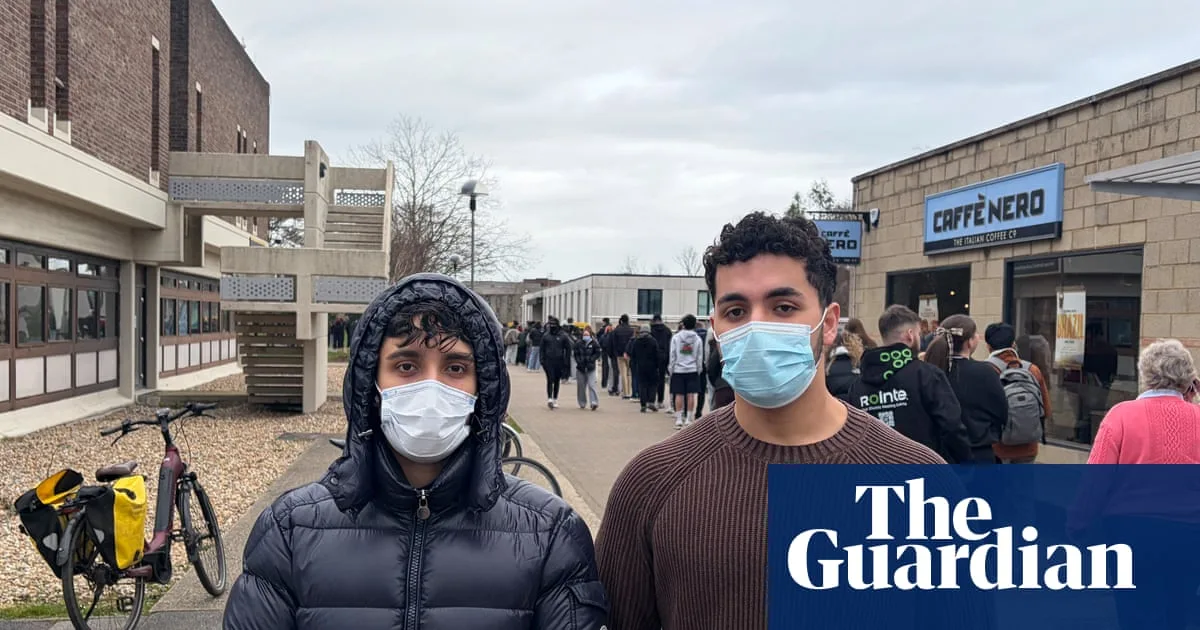
Students at the University of Kent have described scenes of panic and fear as a meningitis outbreak linked to a nightclub in Canterbury has killed two people, including a university student and a sixth-former. Hundreds of students queued for antibiotics on Monday, and all in-person exams have been moved online as authorities work to contain the spread.
Joe Bradshaw, 23, realised on Monday morning that he had been in contact with someone linked to the outbreak after a night out at Club Chemistry nine days earlier. He expressed concern about spreading the infection to vulnerable people, including his mother, who recently had surgery. 'I'm less concerned about my own health than spreading it to other vulnerable people,' he said.
Many students fled the campus overnight, with parents picking them up. Aram, a 22-year-old criminology and politics student, said his flatmates left after receiving an urgent message from the university. 'Their parents picked them up at like one in the morning. Actually, I think I'll be the only guy in that flat now,' he said. He described people running down stairs with TVs and belongings.
The outbreak has affected the university and three local schools. One victim was a year 13 student at Queen Elizabeth's grammar school, named Juliette. A classmate, Sammy Wright, described her as a 'bright character, always very happy, kind'. The other victim, a university student, has not been named.
Students have rallied together, checking in on each other. Ben Tostevin, a drama and theatre student, was glad to see friends in good health in the medicine queue but expressed surprise that the campus remained open. His friend Sofia Malanga said social media posts, including videos of people in hazmat suits, have exacerbated fear, though she felt some posts were 'overegging certain things'.
The UK Health Security Agency has advised anyone with symptoms of meningitis, septicaemia or sepsis to call 999 or go to A&E.




