

Measles Outbreaks Surge in US as Vaccination Rates Decline
The measles virus, which resides in the nose and throat mucus of infected individuals, is causing significant concern across the United States. In 2026, Utah officials have reported a total of 602 measles cases, with 85% of those infected not vaccinated against the virus. This outbreak is part of a broader trend, as the US has experienced a series of measles outbreaks since early 2025, including incidents in Texas, New Mexico, and Oklahoma.
According to the Centers for Disease Control and Prevention (CDC), there were 2,287 confirmed measles cases in the US last year, marking the highest number since 1991. Dr. Lisa M. Lee, a research professor at Virginia Polytechnic Institute and State University, explains that the primary driver behind these outbreaks is insufficient vaccination rates to achieve herd immunity. Communities require at least a 95% vaccination rate to keep measles at bay due to its extreme contagiousness.
Recent History and Elimination Status
Measles was officially eliminated in the US in 2000, but recent trends threaten this status. Before 2025, the last major outbreak occurred in 2019, with nearly 1,300 cases. Dr. Peter Hotez, dean of the National School of Tropical Medicine at Baylor College of Medicine, attributes the rise in cases to declining vaccination rates both domestically and globally, leading to a fourfold increase in outbreaks from 2023 to 2024.

If current trends continue, independent health policy research organization KFF warns that the US could lose its measles elimination status. This is a critical concern as measles is a respiratory virus that primarily affects children but can also impact unvaccinated adults.
How Measles Spreads and Symptoms
Measles spreads through airborne particles when infected individuals cough, sneeze, or breathe, with the virus lingering in the air for up to two hours. According to the CDC, if one person has measles, up to 90% of unvaccinated individuals exposed to contaminated air or surfaces will become infected. Unlike seasonal viruses, measles is not limited to specific times of the year.
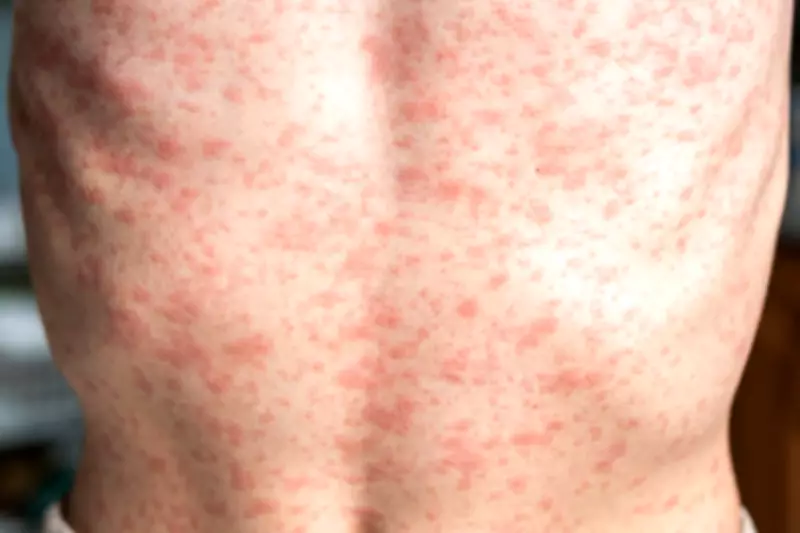
Symptoms typically appear one to two weeks after exposure and include cough, runny nose, red eyes, and high fever. A distinctive rash develops three to five days later, starting on the face and spreading to other body parts. While most people recover within a week, complications can be severe, including pneumonia, encephalitis, and even death, particularly in unvaccinated populations.
Prevention and Vaccination
Vaccination remains the most effective prevention method. The MMR vaccine, which protects against measles, mumps, and rubella, is administered in two doses: the first at 12 to 15 months and the second between ages four and six. The vaccine is about 97% effective after both doses, significantly reducing the risk of severe disease and transmission.
Despite its proven safety and efficacy, vaccination rates have dropped, with US kindergarten vaccination coverage falling from 95% to 92.5% between the 2019-20 and 2024-25 school years. In some states, like Idaho, rates are as low as 78.6%, far below the threshold needed for herd immunity.
Public Health Concerns
The decline in vaccination is fueled by anti-vaccine rhetoric and misinformation, posing a serious public health threat. Experts emphasize that measles control relies heavily on vaccination, and without adequate coverage, widespread outbreaks could become more common. Face masks can offer some protection, but vaccination is crucial for long-term immunity and community safety.
As measles continues to spread, it is essential for individuals to ensure they are vaccinated and to seek medical advice if exposed. The ongoing outbreaks highlight the importance of maintaining high vaccination rates to protect vulnerable populations and prevent the resurgence of this highly contagious virus.






