

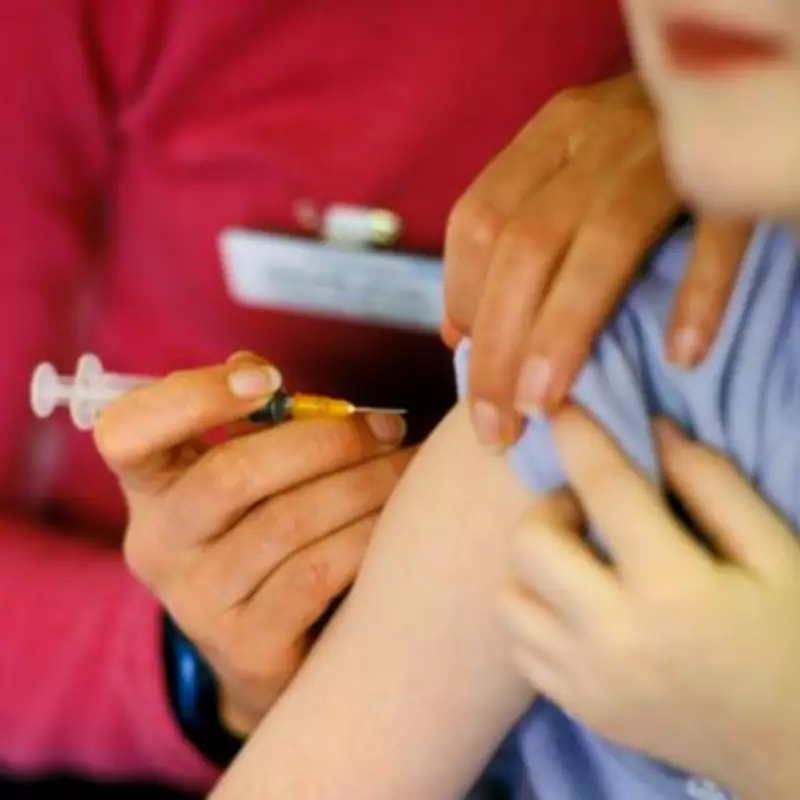
An exclusive measles map has revealed the areas of the UK most at risk due to low vaccine uptake, as the UK Health Security Agency (UKHSA) warns that outbreaks can return quickly in communities with insufficient immunisation. See if your local area is affected.
Measles Cases on the Rise
Hundreds of confirmed measles cases have been recorded this year amid growing concerns about declining vaccination rates. Latest data shows 442 cases of measles have been confirmed by laboratory tests so far this year, with analysis indicating that areas with the lowest vaccination rates are experiencing more cases. This comes after the Mirror revealed that unvaccinated children could be sent home from school if there is a local outbreak.
Dr Vanessa Saliba, Consultant Epidemiologist at UKHSA, said: “We are very concerned about the decline in MMR vaccine uptake over the past decade. As we have seen in the past few years, measles outbreaks can return quickly in areas with low childhood vaccine uptake.”

Measles: A Highly Infectious Disease
Measles is one of the most infectious diseases known. It is spread through the air or water droplets when an infected person breathes, coughs, or sneezes. Infected individuals are contagious from the onset of first symptoms until four days after the rash appears. In rare cases, measles can lead to death or permanent disabilities such as blindness, deafness, and lifelong cognitive impairments due to dangerous brain swelling.
MMRV Vaccine: The Best Protection
The MMRV jab is the new combined NHS childhood vaccine that protects against measles, mumps, rubella, and varicella (chickenpox) in a single injection. However, uptake has been falling in recent years and is now well below the 95% vaccine coverage target that the World Health Organisation (WHO) says is necessary to achieve herd immunity.
Dr Saliba added: “The MMR or MMRV vaccine is the best way to protect your child from this nasty disease that can lead to them ending up in hospital and leave some children with long-term health issues. We can only stop measles outbreaks when we ensure children in all areas and communities receive their two doses of the MMRV vaccine before starting school. Older children and adults who missed vaccinations can catch up through their GP practice, regardless of age. The NHS is making vaccination easier, including offering the second MMRV dose earlier at a new 18-month appointment to boost uptake and support elimination goals.”
Historical Context and Current Rates
In Western Europe, measles still causes death in about 1 in 5,000 cases. Coverage of the previous measles, mumps, and rubella (MMR) vaccine began to decline after a 1998 report by Andrew Wakefield that falsely linked the jab with autism. Although the claim was discredited and Wakefield was struck off the medical register, the vaccination programme took years to recover.
Earlier this year, the WHO confirmed that measles had officially re-established itself in the UK from 2024. Countries are awarded measles elimination status by the global health body when vaccine coverage exceeds the 95% threshold required for herd immunity. The UK was considered to have eliminated the disease from 2021 to 2023 before vaccination rates dropped. UK rates are now the lowest in over a decade.
Regional Disparities in Vaccine Uptake
Figures for England from UKHSA show that in 2024/25, 91.9% of five-year-olds had received one dose of the MMR vaccine, unchanged from 2023/24 and the lowest level since 2010/11. Only 83.7% of five-year-olds had received both MMR doses, down from 83.9% the previous year and the lowest since 2009/10.
However, in some areas, rates are far lower. In Enfield, for example, where 97 cases have been confirmed this year, only 79.3% of children have had the first MMR dose, and just 64.3% completed the course. This means around 1,600 children in Enfield who turned five last year and should now be fully vaccinated remain unprotected.
Vaccine rates are even lower in Hackney, where only 58.3% of children are fully protected. Although there have been no lab-confirmed cases in Hackney so far this year, there were 133 cases last year, more than anywhere else in England.
These figures highlight the urgent need to improve vaccination coverage to prevent further outbreaks and protect public health.






