
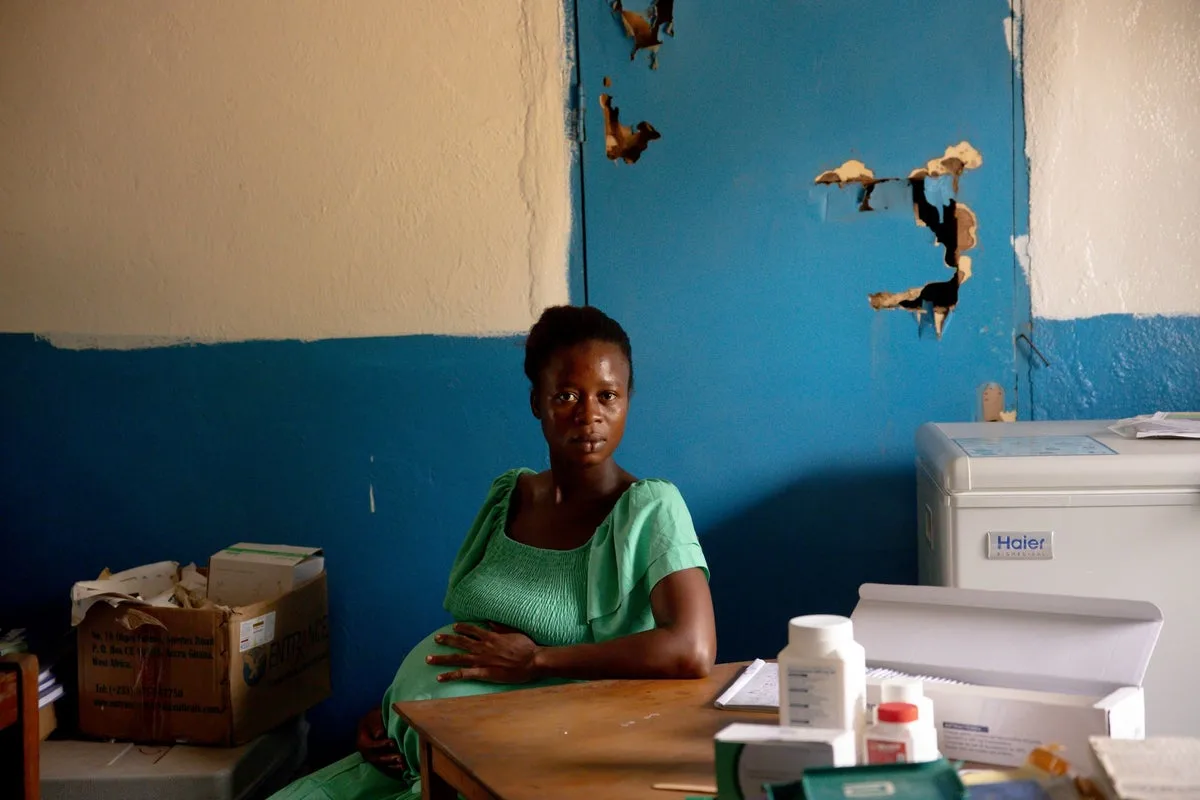
Women who develop maternal sepsis in sub-Saharan Africa are almost 150 times more likely to die than those in the UK, Europe and North America, according to new research by WaterAid. The infection, one of the most dangerous complications of pregnancy and childbirth, kills 36 women a day in the region, largely due to a lack of clean water, sanitation and hygiene in maternity wards.
The charity's report, 'Born Without Water: the crisis in our delivery rooms', examined maternity services across 16 countries in Africa and Asia. It found that 78 per cent of maternity wards in Africa lacked a functioning toilet, two-thirds had no clean water or soap for hand washing, and 65 per cent did not meet basic standards for environmental cleaning. Across sub-Saharan Africa, 4.7 million women develop maternal sepsis each year, equivalent to one in nine births.
Globally, about one in 1,100 cases of maternal sepsis results in death, but in Africa the fatality rate is one in 350 cases. Amaka Godfrey, WaterAid's executive director of international programmes, said: 'No woman should face the risk of dying in childbirth simply because clinics lack basic sanitation.'
Supporters of WaterAid's new campaign, including actors Sir Mark Rylance and Sir Stephen Fry, are urging world leaders to prioritise clean water in maternity care. The charity's analysis suggests that investing in water, sanitation and hygiene in healthcare facilities could prevent 10 million cases of maternal sepsis and 8,580 deaths worldwide each year at a cost of less than $1 per person. However, UK government spending on such programmes overseas has fallen from £206.5 million in 2018 to £80 million in 2024, with further reductions expected.




