Elite Marathon Runner's Health Discovery Leads to Performance Breakthrough
At the peak of her athletic career, marathon runner Anya Culling was unaware that a significant underlying health issue was responsible for her persistent fatigue, headaches, and dizziness. The elite athlete, who famously halved her marathon time from four hours thirty-four minutes to two hours thirty-four minutes in just three years, discovered that excessive training had masked a critical nutritional deficiency.
The Hidden Warning Signs
By age twenty-seven, Anya had completely transformed her lifestyle, dedicating all her time and energy to running. However, this intense commitment came with unexpected consequences. Her menstrual cycle stopped entirely—a clear warning sign that something was physiologically wrong. Anya initially believed that finishing workouts feeling nauseous, lightheaded, and exhausted was simply the result of rigorous exercise, not an indication that her body lacked essential nutrients.
"I guess I got into running from zero to one hundred, and I think that really shocked my body," Anya shared. "I was very naïve, and I probably didn't realise the stress I was putting my body under at the time. My internal system was then like, 'Whoa, slow down, hold up.' And I didn't have enough energy availability."

A Common but Overlooked Issue
Research conducted by Active Iron reveals that Anya is far from alone in her experience. Approximately three-quarters of women are unaware that high training levels can lead to inadequate iron levels. For Anya, the loss of her period didn't initially raise concerns about her overall health.
"I definitely had all the symptoms of low iron," she admits now. "I was always very tired, I got headaches, and I felt dizzy—but I just thought they were also the symptoms of training really hard. I wasn't that worried that I didn't have a period because it meant that I thought that I didn't then have a period to disrupt my training."
The Turning Point
The situation changed dramatically when Anya sought to work with a running coach. He refused to train her until she completed a comprehensive blood profile, recognizing that her lost periods indicated potential serious health risks. The test results confirmed she was suffering from low iron levels and Relative Energy Deficiency in Sport.
This diagnosis marked the beginning of a transformative journey. Anya began incorporating iron-rich foods into her diet and started taking iron supplements specifically formulated for better absorption and reduced gastrointestinal irritation.
Life-Changing Results
The impact of addressing her iron deficiency has been profound. "Supplementing my diet with other nutrients just doesn't have anywhere close to the effect of actually changing your iron levels and your blood profile," Anya explains. "It has changed my health for the long term and just put me back on this balanced level playing field with everybody."
She no longer experiences the debilitating symptoms that once plagued her training sessions. "I also don't finish hard sessions on the floor. I used to get so dizzy, and I'd have to lie down, and I'd get the shakes or headaches and feel like I needed to eat something as soon as possible or I was going to faint, and I don't have that anymore."
Broader Implications for Women in Sports
Now serving as an ambassador for Active Iron, Anya is working to eliminate the stigma surrounding periods and women's health in sports, particularly running. She hopes her story will encourage other female athletes to assess their iron levels, especially since women are more susceptible to deficiency due to menstrual blood loss.
The nutritional adjustment has enabled Anya to maintain more consistent training, enjoy running more deeply, and live a healthier, balanced life. She even reports improved performance in her professional work outside of athletics.
Practical Dietary Recommendations
For those looking to boost their iron intake naturally, the NHS recommends incorporating these iron-rich foods:

- Liver
- Red meat
- Beans, including red kidney beans, edamame beans, and chickpeas
- Nuts
- Dried fruit
- Fortified breakfast cereals
- Soy bean flour
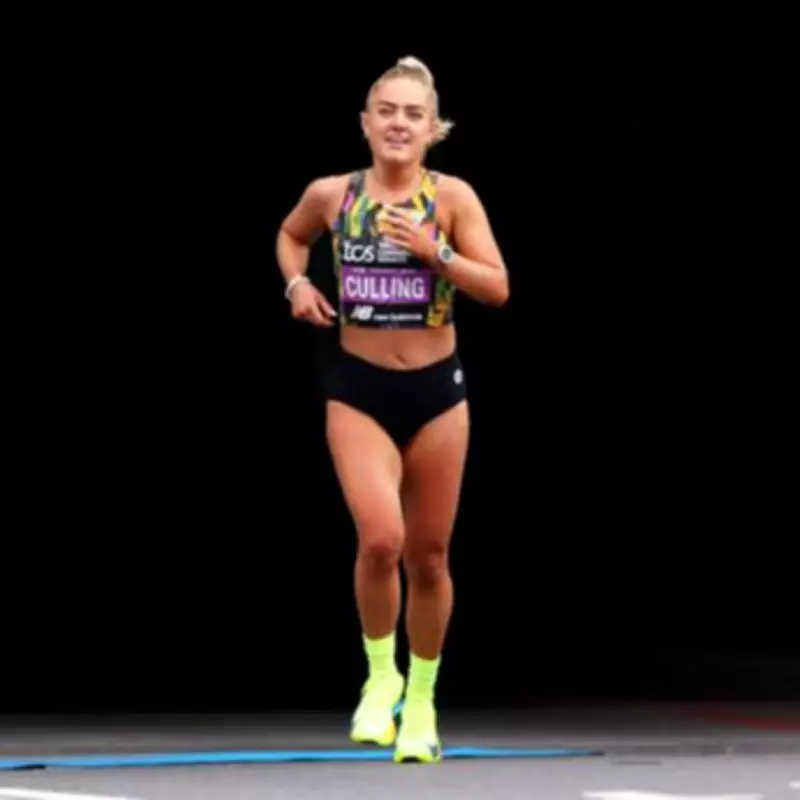
Anya's journey came full circle when she recently completed the London Marathon. "It was one of the best marathons I've ever done," she said. "It was ninety seconds off my personal best, and I was actually on my period. I was just so proud of myself; it felt really full circle."
Her experience underscores the critical importance of addressing nutritional deficiencies in athletic performance and overall wellbeing, particularly for women engaged in high-level training regimens.