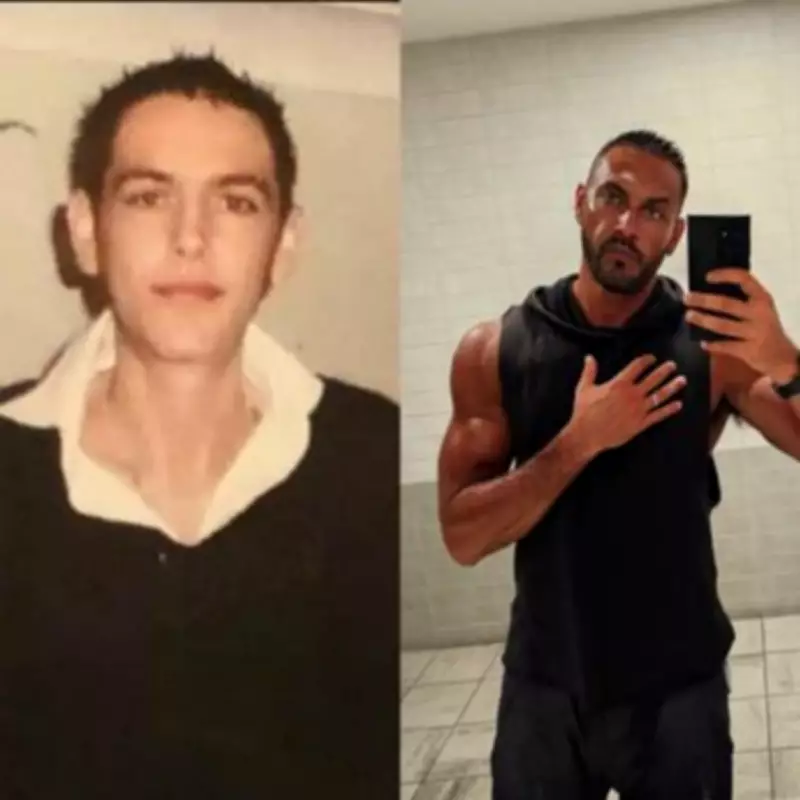
Eating Disorder Survivor Reveals Hidden Male Crisis Fueled by Stigma
Eating disorders are frequently misperceived as a "woman's issue," but for thousands of men and boys across the United Kingdom, this stereotype is quietly fueling a hidden and dangerous crisis. According to Beat Eating Disorders, approximately one in four individuals affected by an eating disorder is male, yet stigma and outdated perceptions continue to leave many men feeling invisible and unsupported.
A Decade of Silence and Struggle
For 37-year-old James Roffey, from Sheffield, that silence persisted for an entire decade. Originally hailing from Maidstone in Kent, James relocated north at age 27, but his battle with anorexia and bulimia commenced years earlier, intertwined with severe depression and social anxiety. From ages 17 to 27, his world gradually contracted, defined by profound isolation, secrecy, and struggles that few people around him fully comprehended.
"Everything else in my life felt out of control," James confided to The Mirror. "The eating disorder was the only thing I could control, and that gave me a purpose, even if it was destructive."

Inadequate Treatment and Gender Insensitivity
At 22, James was admitted to an eating disorder unit, but only as a day patient. The ward was specifically designed for women, with no available space to accommodate male residents. While other patients received comprehensive round-the-clock support, he returned home each evening to the very environment where his illness had originally taken hold.
"I was the only bloke," he recalled, reflecting on his treatment experience. "The only males I interacted with were doctors, therapists, or the fathers of other patients. Back then, I didn't have any motivation, any discipline, and no real hope."
The Broader Hidden Epidemic Among Men
James' personal ordeal mirrors a much wider systemic issue. In the UK, around 1.25 million people live with an eating disorder, with a significant but often concealed proportion being men. Research indicates that approximately 40% of individuals with binge-eating disorder are male, yet these cases frequently go unrecognised and undiagnosed.
Experts caution that cultural expectations of masculinity, including pressure to appear strong, lean, and perpetually in control, can substantially delay diagnosis and prevent men from seeking crucial help.
"There's still a huge stigma around men talking about mental health," James emphasised. "You only have to examine the suicide rates – things aren't improving sufficiently."
The Critical Need for Gender-Sensitive Care
Behavioural health expert Michael Banis from Eating Disorder Solutions underscores the vital importance of gender-sensitive care. "By combining medical treatment, mental health support, and programmes specifically tailored for men, it's possible to break the cycle of shame and secrecy, access essential help, and rebuild a healthy relationship with bodies and food," he explained.
James described how stigma compounded his suffering. "I kept thinking, 'If this is a female disorder, why me? Why have I got it?' That made recovery even more challenging," he said.
The Turning Point and Long Road to Recovery
Looking back, James believes what he needed most was representation and tangible hope. "Having someone who had been through it, someone like me now, would have given me that little spark. Back then, I honestly didn't think I'd get through it," he admitted.
His turning point arrived after intensive treatment in his early twenties, which forced him to confront the stark reality of his condition. "It was the first time I actually saw how ill I was," he revealed. "That's when I realised – if I don't change something, I'm going to die." Even following this realisation, recovery demanded another four years of relentless hard work and perseverance.
Rebuilding Life and Offering Hope to Others
Now aged 37, James has successfully rebuilt his life in Sheffield and transformed his painful experience into a profound sense of purpose. Working as a personal trainer, he actively supports clients grappling with mental health challenges, including eating disorders, social anxiety, and depression.

"What started as a form of therapy became my passion," he stated. "Helping others gave me purpose. If someone can see that you've been through it and come out the other side, it gives them hope."
He remains candid about the long-term reality of recovery. "I don't think you're ever completely 'over' it," he acknowledged. "But that's not a negative. It's a reminder of what you've overcome." He has learned to effectively manage his condition, recognising triggers, sitting with discomfort, and leaning on supportive individuals when life becomes difficult.
Powerful Advice for Men Currently Struggling
James' advice to men currently battling eating disorders is both simple and powerfully resonant: "Never give up the fight. If you still have that desire to change, there's enough in you to turn things around. If you can come through this, nothing else in life will be harder. You've already faced the worst."
He also stresses the importance of breaking the silence. "If you feel 'off', that's the moment to speak to someone. Talking is the first step. It opens the door. But it's action that helps you walk through it."
If you or someone you know is struggling, support is readily available. Contact Beat Eating Disorders on 0808 801 0677 or visit their official website. You can also speak to your GP or seek help through the National Health Service. In an emergency situation, always call 999 immediately.