

Australia's Luxury Rehab Boom: Superyacht Treatment Costs $600,000 Per Week
While an estimated 500,000 Australians battling addiction miss out on treatment annually, those with immense wealth can access private rehabilitation within hours, including on a superyacht where a week's stay costs $600,000. This stark contrast highlights a rapidly growing two-tier system in addiction care across the nation.
The Pinnacle of Private Rehabilitation
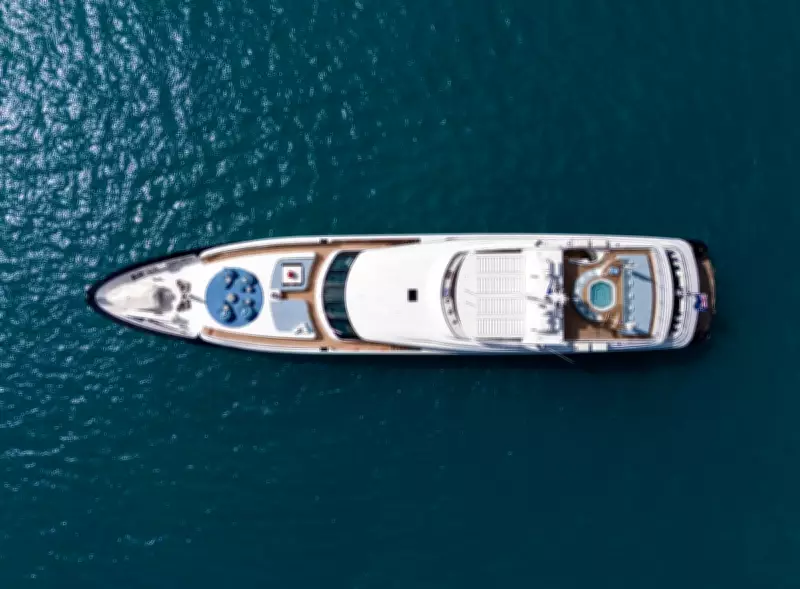
Floating off the Whitsundays coastline, the superyacht "Mischief" hosts Ocean Blue, one of the world's most luxurious mental health and rehabilitation programs. The setting is postcard-perfect, featuring a gym, spa, and a staff-to-patient ratio of 14:1. Treatment here is secluded, anonymous, and decadent, targeting C-suite professionals, elite athletes, and the ultra-wealthy struggling with gambling, alcohol, or cocaine dependence.
Edward Handley, chief executive of Hills and Ranges Private (Harp), which operates Ocean Blue, notes the exclusivity. "They probably hop on our yacht and think it's a little bit smaller than their yacht," he says. Reached via private jet, this program represents the extreme end of Australia's booming private rehab sector.

Expansion and Challenges in the Private Sector
Harp, founded by Handley and his late wife, psychologist Raya, after his own rehab experience, has expanded from one clinic in 2020 to five centres. Plans include new facilities in Sydney, Perth, Brisbane, and Auckland within two years. However, not all ventures succeed. Highlands Recovery in Bowral, New South Wales, closed less than a year after opening amid community backlash, while the Hader Clinic in Geelong went into liquidation with $3.5 million in tax debt.
Other luxury providers are thriving. The Banyans in Queensland, costing $120,000 for a four-week stay, has opened a second facility to meet demand, with similar high-end rehabs emerging on the Gold Coast and in Byron Bay.
Luxury Amenities and Treatment Models
At Harp's Stonehurst of Sassafras centre in Victoria's Dandenong Ranges, patients pay $25,000 per week for five-star accommodation, concierge services, massages, personal training, equine therapy, and meals prepared by a private chef. The Tudor-style mansion hosts only four clients at a time, often politicians, CEOs, doctors, influencers, athletes, and actors who continue working while receiving treatment for burnout or addictions.
Handley emphasises a tailored approach, with stays typically lasting 28, 60, or 90 days, plus up to a year of aftercare. Treatment is accredited by Monash University, with success measured by completion rates rather than long-term sobriety. "We don't have a revolving door," Handley asserts.
Public System Struggles and Regulatory Gaps
In contrast, the public rehab system is described as under-resourced and fragmented, with long waitlists. Nicole Lee from the National Drug and Alcohol Research Centre warns of a "two-tier system" where wealth dictates access to faster, more comfortable care. She highlights that the private sector is largely unregulated, allowing anyone to set up a rehab, which can lead families to be exploited by "dodgy providers."
Data from the Australian Institute of Health and Welfare shows 46,000 hospitalisations due to alcohol and other drugs in 2023-24, with alcohol causing nearly five drug-induced deaths daily. Common substances leading to rehab include amphetamines, cannabis, heroin, and opioids.
Personal Stories of Struggle and Recovery
Matt, a Gold Coast house painter, experienced addiction after being prescribed opioids for a work injury. Despite seeking help, he faced rejections from public services and one private facility due to insurance issues. After months of struggle, he secured outpatient treatment. "There are a lot of people out there who do want help," he says, "but they can't get it because there aren't many places that can get you in fast enough."
Delays can be fatal; drug-induced deaths have exceeded the road toll for over 15 years. Support groups share horror stories, such as a woman who lost her brother while he waited for treatment.

Calls for Reform and Reducing Stigma
Dr Hester Wilson, chair of the Royal Australian College of General Practitioners' addiction medicine network, notes that even non-profit rehab can cost $8,000 for six months, unaffordable for many. She emphasises that addiction treatment is complex, with public sector completion rates around 65%, similar to relapse rates for chronic conditions like asthma and diabetes.
Wilson calls for reducing stigma, noting that drug use has existed for millennia and not all use is harmful. "For some people, it does cause them harm, or it makes them dependent. And there is help there, so reach out for it. Don't suffer in silence," she urges.
As luxury rehabs like Ocean Blue cater to the elite, the gap between private and public care widens, underscoring urgent needs for regulation, funding, and equitable access in Australia's addiction treatment landscape.





