

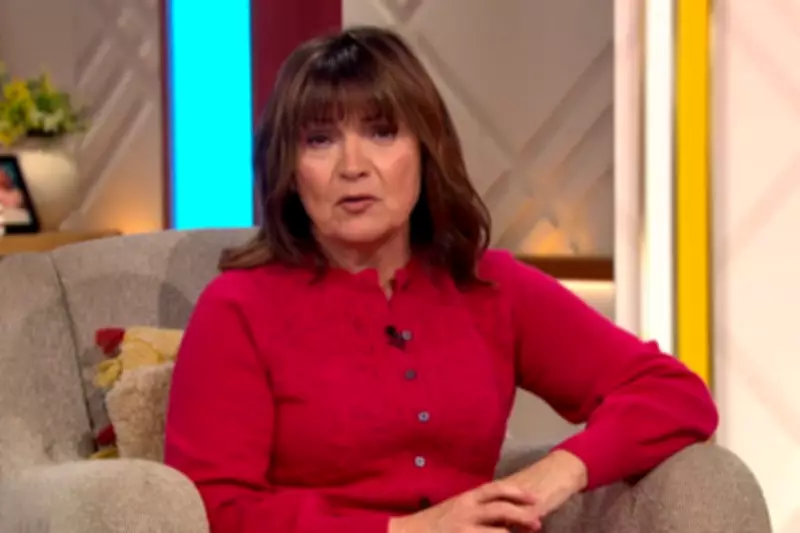
Television presenter Lorraine Kelly has candidly shared her personal struggles with severe anxiety and a challenging period in her life, which she described as a "dark time," following the birth of her daughter, Rosie, in 1994. Her emotional turmoil was largely rooted in professional instability during her tenure at GMTV, where she worked as a freelancer.
Job Insecurity and Maternity Leave Impact
Kelly revealed that her contract with GMTV was not renewed while she was on maternity leave, leading to her dismissal from the role. This experience left her grappling with significant career uncertainty, as she lived "from contract to contract," which fueled persistent worry and anxiety. She recounted physical symptoms, such as a "washing machine stomach" and the sensation of an "elephant on my chest," highlighting the profound effect of job insecurity on her mental and physical well-being.
Public Perception and Personal Struggles
Despite her successful career and stable family life, Kelly noted that people often questioned her anxiety, suggesting she had little to worry about. She admitted that she never fully addressed these feelings at the time, allowing them to fester and contribute to her distress. Her reflections underscore the hidden challenges faced by individuals in high-profile roles, where external success can mask internal turmoil.

Recent ITV Cuts and Career Reflections
In addition to her past experiences, Kelly has recently discussed cuts to her show on ITV, drawing parallels to the precarious nature of television work. She emphasized how the industry's volatility can exacerbate anxiety, particularly for those in freelance or contract-based positions. Her openness about these issues sheds light on the broader pressures within the media sector.
Granddaughter's Influence and Positive Outlook
The birth of her granddaughter, Billie, has played a transformative role in Kelly's life, helping her shift her perspective. She now finds herself more able to appreciate the present moment, a stark contrast to her earlier years when she was intensely focused on work and raising her own daughter. This change has brought a sense of peace and gratitude, allowing her to move beyond the anxiety that once dominated her life.
Kelly's story serves as a poignant reminder of the intersection between professional instability and personal well-being, particularly for women navigating motherhood and career demands. Her willingness to speak out encourages broader conversations about mental health and job security in today's workforce.






