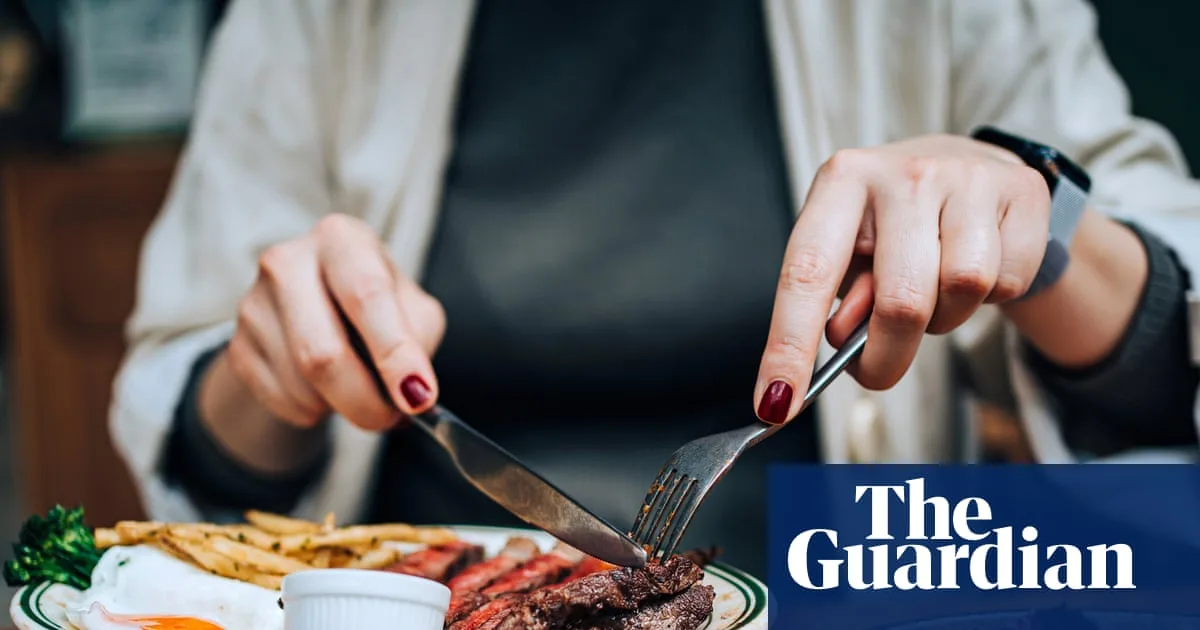
More than a quarter of healthy years lost to breast cancer are due to lifestyle factors such as red meat intake and smoking, according to the largest study of its kind. The research, published in The Lancet Oncology, analysed data from population-based cancer registries spanning 1990 to 2023 across more than 200 countries.
In 2023, 28% of the global breast cancer burden—equivalent to 6.8 million years of healthy life lost to disability, illness and early death—was linked to six potentially modifiable risk factors. High red meat consumption had the biggest impact, accounting for nearly 11% of all healthy life lost, followed by tobacco use including secondhand smoke (8%), high blood sugar (6%), high body mass index (4%), high alcohol use and low physical activity (both 2%).
New breast cancer cases in women are predicted to rise by a third globally, from 2.3 million in 2023 to more than 3.5 million in 2050, according to the analysis by the Global Burden of Disease Study Breast Cancer Collaborators. In the UK, about one in seven women will develop the disease in their lifetime.

The findings suggest that maintaining a healthy lifestyle—including not smoking, sufficient physical activity, lowering red meat consumption, and a healthy BMI—may prevent more than a quarter of healthy years lost to illness and premature death due to breast cancer worldwide. Kayleigh Bhangdia, lead author from the Institute for Health Metrics and Evaluation, noted that the burden is shifting to low- and lower-middle-income countries where diagnosis is often later and access to care more limited.
Claire Rowney, chief executive of Breast Cancer Now, said: 'This new global study is a stark reminder that breast cancer continues to take and rip apart far too many lives.' Sophie Brooks of Cancer Research UK added: 'Prevention remains a key way to reduce rates, with a significant number of cases globally linked to preventable factors like smoking, overweight and obesity, and alcohol.'