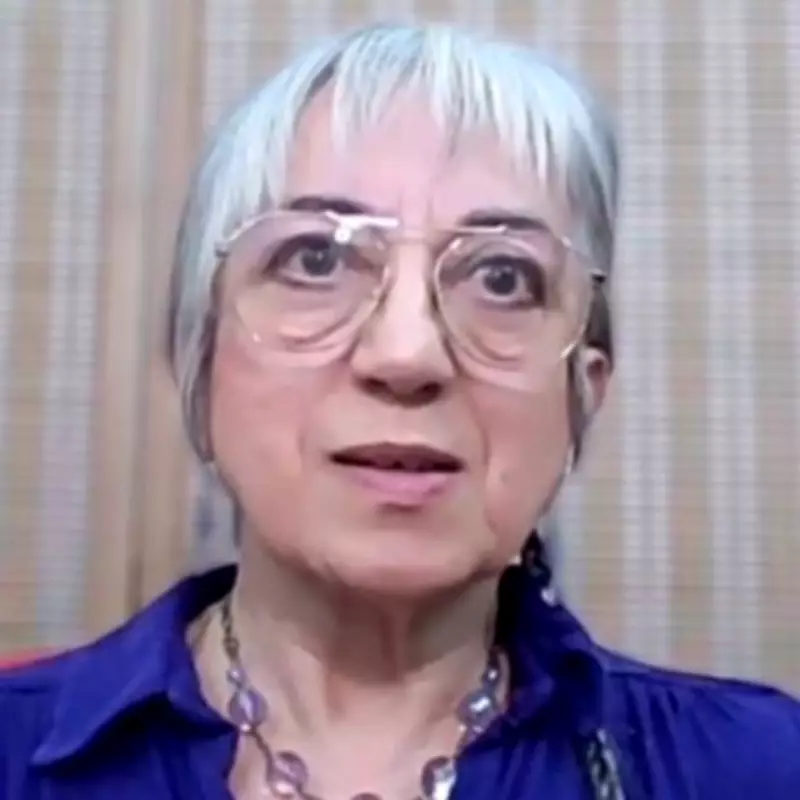
Diana Defries has bravely opened up about the profound and lasting impact of having her baby taken from her when she was just 16 years old, a traumatic experience that left her shrouded in shame for decades. Speaking to BBC Breakfast presenters Ben Thompson and Naga Munchetty, she detailed the emotional scars from this forced adoption, which occurred in the years following World War II.
Historical Forced Adoptions Under Scrutiny
Her revelations come at a critical time, as a group of MPs is urging the government to issue a formal apology to thousands of women who were compelled to give up their babies because they were unmarried. Ben Thompson noted that the Education Committee has described the practice of historical forced adoptions as causing unimaginable trauma for affected women.
Diana, who now serves as the Chair of the Movement for an Adoption Apology, expressed that it is "really powerful" to hear a minister acknowledge state responsibility for these injustices. She emphasized that the term "give up" is misleading, stating, "My baby was taken from me. I dislike the term give up. It's more honest to say most of these babies were taken from young mothers, including myself."

A Harrowing Experience of Isolation and Stigma
At the time, Diana was young, unmarried, abandoned by the baby's father, and lacked any support system. She was sent to a mother and baby home, where she gave birth in an NHS hospital. However, this experience was tainted by appalling treatment from staff at both the home and the hospital.
She recounted, "All of that was sullied by the way I was treated. We were treated as if we were pariahs, we were somehow lesser people and therefore deserved a sort of punishment. It varied through the decades, but it was consistent in tone." This stigma forced many women into secrecy, with Diana explaining they were often told not to discuss their experiences due to shame.
The Corrosive Effects of Shame and Secrecy
Naga Munchetty highlighted how such cases often involve young women burdened by shame, a sentiment Diana confirmed. She coped by dissociating, adding, "In addition to the shame, there is a secrecy because most of us were told, 'You can't talk about this because it's shameful, so you mustn't tell anyone.' You have the shame, you have the trauma, and you have the need to keep it to yourself so there's no way to process what has happened."
Describing the long-term impact, Diana said, "I think the best way to describe it is corrosive, it damages one in a very fundamental way. The further you go into life and you realise that other people are just having children and living normal lives, the more you realise this is a terrible thing that you're carrying." It took her many years before she could speak about the ordeal without immense pain, noting that coping is a lifelong process.
Broader Implications and Calls for Action
This personal account underscores the urgent need for acknowledgment and reparations for historical forced adoptions. The Movement for an Adoption Apology continues to advocate for government accountability, aiming to provide closure for the thousands of women affected by these practices.
BBC Breakfast, where this interview aired, is available to watch weekdays on BBC One from 6am, bringing such critical issues to public attention.