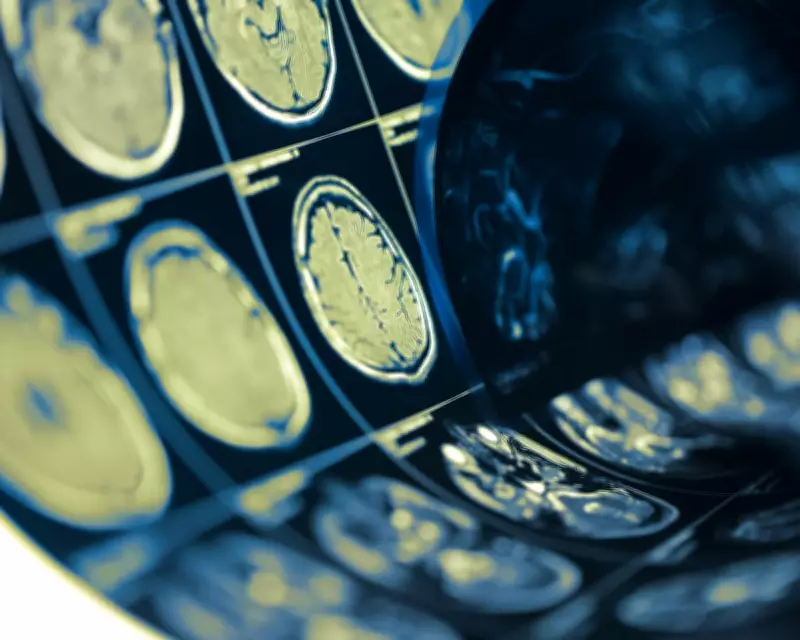
A groundbreaking study has uncovered the true cause of lacunar strokes, a type of stroke affecting approximately 35,000 individuals annually in the United Kingdom. This discovery may clarify why certain medications have proven ineffective in treating this condition.
Understanding Lacunar Strokes
Lacunar strokes represent about a quarter of all strokes occurring in the UK. Previously, medical experts believed these strokes resulted from the blockage of small arteries in the brain by fatty deposits. However, research published on Wednesday suggests a different mechanism: the enlargement and widening of arteries within the brain.
This finding is significant because it explains why aspirin and other blood thinners, commonly prescribed to prevent ischaemic strokes, are less effective in preventing lacunar strokes. The study, conducted by academics at the University of Edinburgh and the UK Dementia Research Institute, analyzed 229 patients who had experienced either a lacunar stroke or a mild non-lacunar stroke.

Implications for Treatment
Maeva May, director of policy for the Stroke Association, emphasized the importance of this research. She stated: "These findings illustrate the value of research and its potential to change the lives of stroke patients. There is still so much we don't know about stroke, despite it being the leading cause of complex adult disability and the fourth leading cause of death in the UK."
May added: "Answering these questions and developing effective treatments is crucial to help ensure a good recovery for the 240 people who survive stroke every day in the UK. Stroke research is chronically underfunded, with less than 1% of total UK research funding spent on the condition. This study, and more of its kind, need to be a national priority across the NHS, government, and the wider research community, with clear pathways to carry breakthrough discoveries from laboratory to patients."
Detailed Findings
The study revealed that narrowing of large arteries was more commonly associated with other types of stroke. Conversely, widening arteries showed a strong correlation with lacunar disease. Patients with widened arteries were more than four times as likely to experience a lacunar stroke.
Professor Joanna Wardlaw, a professor of applied neuroimaging at the University of Edinburgh and group leader at the UK Dementia Research Institute, commented: "This study provides strong evidence that lacunar stroke is not caused by fatty blockage of larger arteries, but by disease of the small vessels within the brain itself. Recognizing this distinction is crucial, because it explains why conventional treatments like anti-platelet drugs are not as effective for this type of stroke and highlights the urgent need to develop new therapies that target the underlying microvascular damage."
The research underscores the necessity for further investigation into lacunar stroke mechanisms and the development of targeted treatments to improve outcomes for thousands of patients across the UK.