

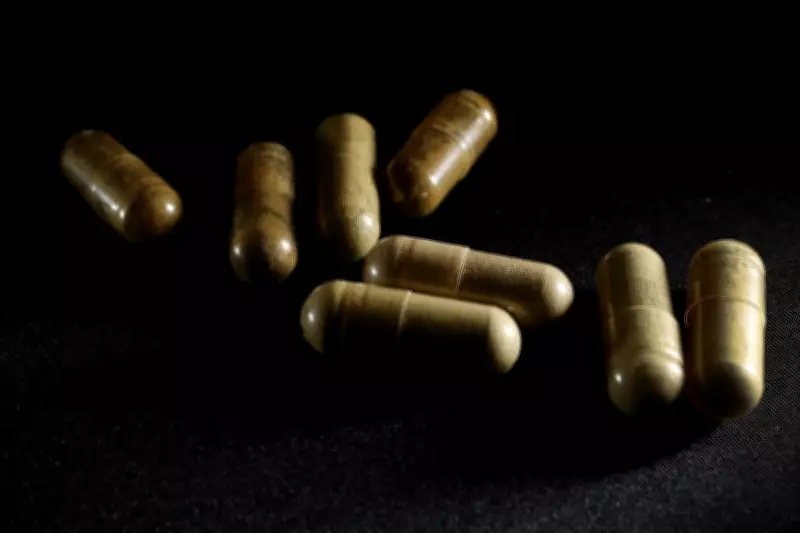
Kratom Poisonings Skyrocket in the US, Fueled by Synthetic Derivatives
A recent report from the Centers for Disease Control and Prevention (CDC) has uncovered a dramatic rise in kratom-related poisonings across the United States, with incidents increasing by approximately 1,200% over the last ten years. The data highlights a significant surge in 2025, drawing urgent attention from public health officials and medical experts.
Experts Point to Synthetic 7-OH as Primary Culprit
Leading researchers argue that this alarming trend is largely driven by the proliferation of synthetic derivatives, particularly 7-hydroxymitragynine (7-OH), rather than natural kratom itself. Walter Prozialeck, a pharmacology professor at Midwestern University, expressed little surprise at the findings, noting that the introduction of 7-OH around 2024 has muddied the waters in consumer markets.
Christopher McCurdy, a chemist and pharmacologist at the University of Florida, explained that 7-OH has been aggressively marketed as kratom or a superior alternative, often appearing in energy drinks and other products. This marketing confusion has led poison control centers to conflate the two, despite their stark differences.

Critical Distinction Between Natural and Synthetic Kratom
Austin Zamarripa, a psychiatry professor at Johns Hopkins University, emphasized that distinguishing between natural kratom, derived from the Mitragyna speciosa plant of Southeast Asia, and synthetic 7-OH is arguably the most important scientific distinction right now. He warned that this nuance remains severely underappreciated in public debates, creating a serious consumer safety issue.
Natural kratom has been used for centuries as a pain reliever and is supported by multiple studies showing relative safety. In contrast, 7-OH carries opioid-like dangers, including severe addiction, withdrawal symptoms, and respiratory depression that can lead to overdose.
Regulatory Responses and Patient Concerns
Despite these differences, many states have implemented or proposed blanket bans on all kratom products, causing distress among users who rely on natural kratom for medical purposes. A survey indicates that about half of kratom users struggle with chronic pain, while 40% are in addiction recovery.
Personal stories underscore the impact. Jeff Maslan, a 68-year-old California resident with osteoarthritis, uses kratom to manage opioid withdrawal after surgeries. Steven, another Californian in his late 40s with a heart condition, turned to kratom when his oxycodone prescription was abruptly revoked, finding relief from unbearable withdrawal symptoms.
Scientific Insights into Kratom's Effects
Experts dispute the FDA's past characterization of natural kratom as an opioid. Research shows that while 7-OH poses overdose risks, kratom's main alkaloid does not cause respiratory depression. Instead, kratom interacts with multiple receptors, including adrenergic and serotonin receptors, which may explain its lower euphoria and potential benefits for energy and mood.
Walter Prozialeck theorizes that kratom functions like two drugs at once, combining partial opioid effects with SNRI-like antidepressant properties. However, risks remain, such as addiction potential and contamination with heavy metals, though these are generally less severe than with classic opioids.
Calls for Nuanced Regulation
Austin Zamarripa advocates for maintaining access to natural kratom, stating that these products may offer meaningful benefits to some individuals, while suggesting that concentrated 7-OH products should be regulated separately. He cautions that bans could inadvertently harm those using kratom for recovery, especially given barriers to FDA-approved treatments.
As the debate continues, patients like Steven express frustration with blanket approaches, comparing the situation to different corn products having distinct effects. The need for informed policy-making is clear to balance public safety with patient access.






