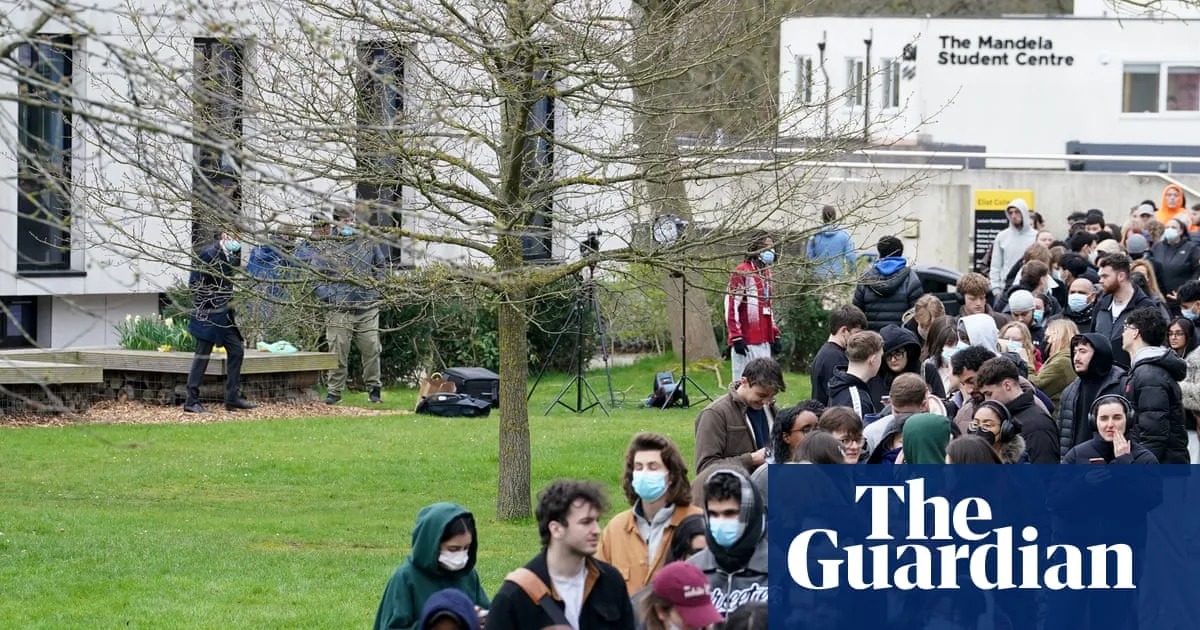
A meningitis B outbreak linked to a nightclub in Canterbury has left two university students dead and several others seriously ill, with some facing permanent disabilities including blindness and speech loss. Health authorities have launched a major response, offering antibiotics to 30,000 people and planning to vaccinate up to 5,000 University of Kent students against the strain believed to be behind the cluster.
The outbreak, which appears to have started at Club Chemistry in early March, has been described by experts as the largest cluster of cases in a generation. Professor Andrew Preston, an expert on the disease from the University of Bath, said he had not seen an outbreak like this before. The disease can cause meningitis, an infection of the protective lining of the brain and spinal cord, leading to amputations, epilepsy, learning difficulties and hearing loss.
Health Secretary Wes Streeting has urged calm, stating that the risk of transmission is low and advising students to continue attending school. However, the outbreak has triggered a rush for private vaccinations, causing a national shortage. High street pharmacies Boots and Superdrug have reported a major spike in bookings, with some locations running out of stock.
Professor Preston emphasised that meningitis remains rare in the UK, with bacteria typically spread through close and prolonged contact such as kissing or sharing drinks. He noted that the UK has a highly effective vaccine rollout for many bacterial strains, which has kept infection rates low. The last immunisation programme for year 9 students targeting meningitis A, C, W and Y was highly successful, with 88% vaccinated before the pandemic.
England recorded 378 meningitis cases between July 2024 and June 2025, according to the most recent statistics. The Kent outbreak has so far resulted in 20 confirmed infections. Experts believe the cluster may be the result of a super-spreading event, and they are working to contain further transmission.