Arriving late to a playdate in Kensington Square, I immediately noticed the gathering of mothers with designer handbags and immaculate hairstyles. Desperately attempting to smooth my own dishevelled hair, I approached the group, acutely aware of my counterfeit accessories compared to their genuine luxury items. My inclusion in this circle stems not from financial parity—I reside in a modest flat while they inhabit sprawling mansions—but from our children's friendships and my local residence. Compensating for economic disparities with witty banter, I suddenly became conscious of one mother's intense gaze.
The Unexpected Compliment and Suspicious Serenity
Bracing for criticism about my haircare routine, I was astonished when she remarked, "Wow, your eyes are really green today." Observing her dreamy, serene expression, I speculated whether her radiant appearance resulted from another Maldives vacation. Yet she wasn't alone in exhibiting unusual contentment. Another typically uptight group member giggled while confessing she'd ceased reprimanding her dog walker for giving Rupert grain-free treats, despite alleged digestive consequences.
The Psychedelic Revelation Among Pruned Roses
Pulled aside amidst meticulously maintained gardens, I discovered their clandestine obsession: psilocybin-infused chocolate. Between discussions of rose pruning, mothers revealed regular consumption during playdates, birthday celebrations, and adult-only gatherings. They emphasized this wasn't about achieving psychedelic highs but microdosing—combining minimal hallucinogen quantities with chocolate for spiritually aligned effects comparable to several glasses of wine, sans hangovers.

Advocates described experiencing enhanced clarity, improved focus, optimistic perspectives, and even weight reduction, though scientific validation remains limited. Having previously attributed their toned physiques to weight-loss injections and green smoothies, I realized my assumptions were mistaken.
From Health Shops to Hallucinogenic Chocolate
While health food stores prominently display trending mushrooms like Lion's Mane and Reishi—promoting benefits for hair, skin, and sleep through beta-glucans and adaptogens—these Kensington mothers pursue different fungal varieties. Their preference leans toward Psilocybin mushrooms in sub-perceptual microdoses, representing a distinct wellness approach diverging from mainstream supplements.
Recent New Scientist reports indicate microdosing may enhance brain plasticity, though mechanisms remain unclear. When I expressed concerns about childcare capabilities, one mother responded incredulously, asserting mushroom chocolate actually aids parenting. Some admitted consuming it during school runs, workouts, and while preparing lobster risotto during nanny absences.
Hairdresser Confirmation and Celebrity Endorsements
Sharing these revelations with my local hairdresser, I learned I was "way behind" trends. He revealed several Kensington clients, including a glamorous celebrity, regularly consume mushroom chocolate during blow-dry sessions with friends. While usage isn't concealed, sources remain mysterious—a topic abruptly terminated when he directed hairdryer airflow toward my face.
Historical Context and Legal Complexities
Hallucinogens possess centuries-old histories, initially documented in 1500s South America within the Florentine Codex. The 1960s witnessed resurgence after Life Magazine's "Seeking the Magic Mushroom" article and Timothy Leary's Harvard psilocybin experiments, popularized by his "Turn on, tune in, drop out" mantra.
Despite American jurisdictions legalizing psilocybin, UK classification as a Class A drug necessitates secrecy. King's College London research indicates 25mg psilocybin doses with psychological support may alleviate treatment-resistant depression symptoms.
Personal Encounters and Societal Implications
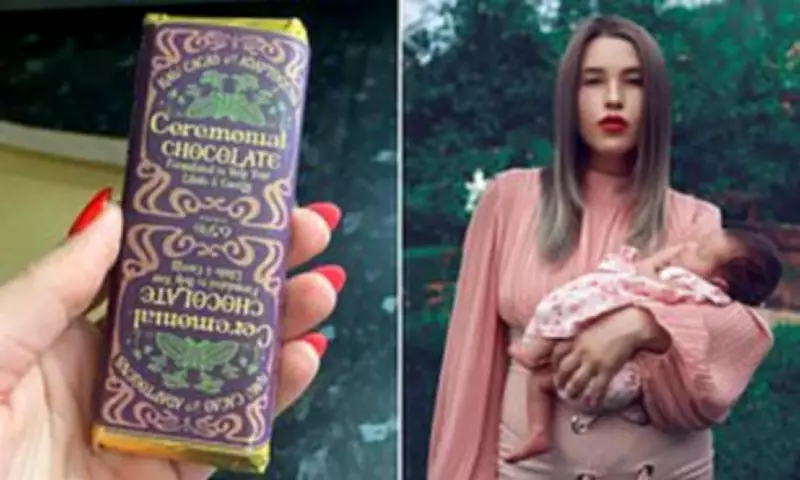
During subsequent playdates, a mother offered me psilocybin chocolate from her antique cupboard, displaying gold-wrapped packaging resembling luxury confectionery. Inquiring about sources elicited only smiles and candle rearrangements. As someone easily affected by alcohol, I declined but recognized potential benefits for mothers managing domestic responsibilities—from Ocado deliveries to piano lessons—even with household staff assistance.

While excluded from the mushroom circle, I appreciate witnessing this phenomenon sweeping London's royal borough. The trend reflects attempts to inject "pizzazz" into monotonous daily routines, blending ancient practices with contemporary wellness culture amid legal ambiguities.
Psilocybin Explained: Effects and Legal Status
Psilocybin, magic mushrooms' active component, converts to psilocin upon ingestion, binding to brain serotonin receptors to induce hallucinatory effects. Frontal cortex overactivity alters consciousness, perception, and cognition, with experiences ranging from perspective expansion to traumatic memory resurfacing. Effects may persist for hours to over a year post-consumption.
Common consumption involves grinding mushrooms into chocolate to mask bitterness. While US states increasingly decriminalize psilocybin, UK possession carries seven-year prison sentences. Medical researchers advocate reclassification to Schedule 2 for depression treatment exploration, joining substances like ketamine and cannabis available for prescription.