
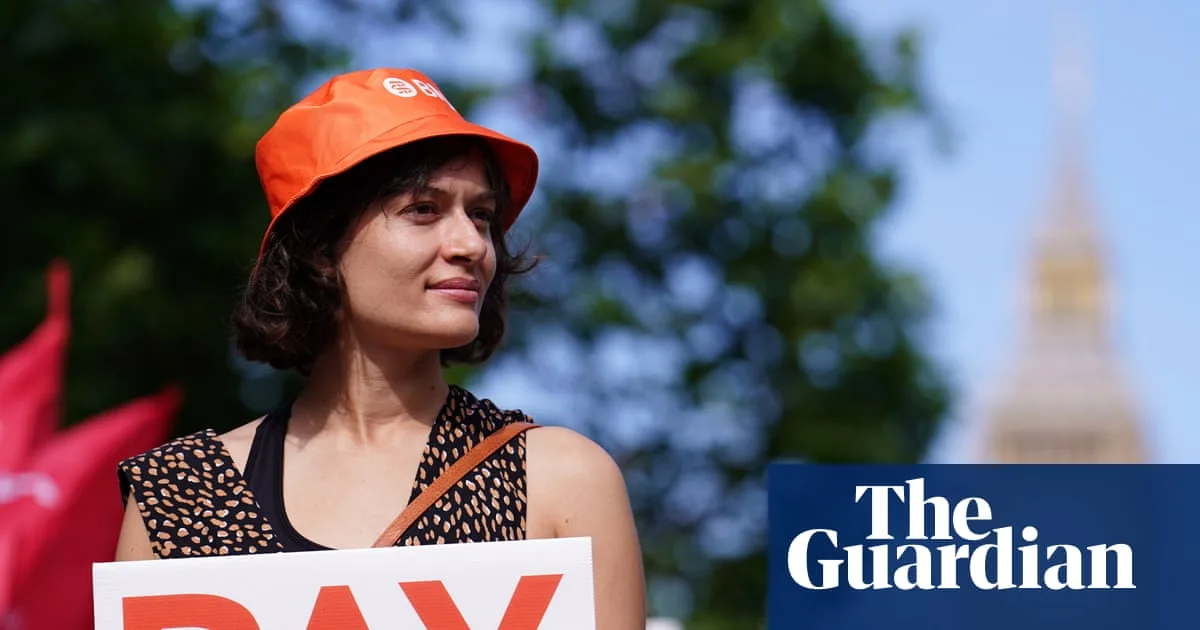
Health Secretary Wes Streeting has condemned the decision by resident doctors in England to press ahead with strike action, calling it 'completely unprecedented in the history of British trade unionism'. The British Medical Association (BMA) confirmed that no offer had been made that could avert the industrial action, scheduled from 25 to 30 July.
Streeting said the move showed 'complete disdain for patients and the wider recovery of the NHS'. He noted that talks had been constructive and that the BMA had been offered changes to working conditions and career progression, but chose not to postpone the strike. 'They have recklessly and needlessly opted for strike action,' he added.
The BMA argued that the offer was insufficient when doctors' main concern was pay. 'We have always been upfront that this is at its core a pay dispute,' the union stated. As many as 50,000 resident doctors are expected to join the strike, demanding a 29% pay rise to restore salaries eroded over the past decade.
Whitehall sources expressed fury at the breakdown in relations, suggesting further discussions would not occur until after the strike. The government source indicated that the union had known further pay rises were out of the question. Streeting said there was no room to move on pay, calling the demands 'unacceptable and unaffordable'.
The BMA's resident doctors committee co-chairs, Dr Melissa Ryan and Dr Ross Nieuwoudt, said they had tried to 'urgently reach a compromise' but received no adequate offer. They noted that more than a fifth of resident doctors' pay had been eroded since 2008 and that raising pay was the simplest solution, but that had been taken off the table.




