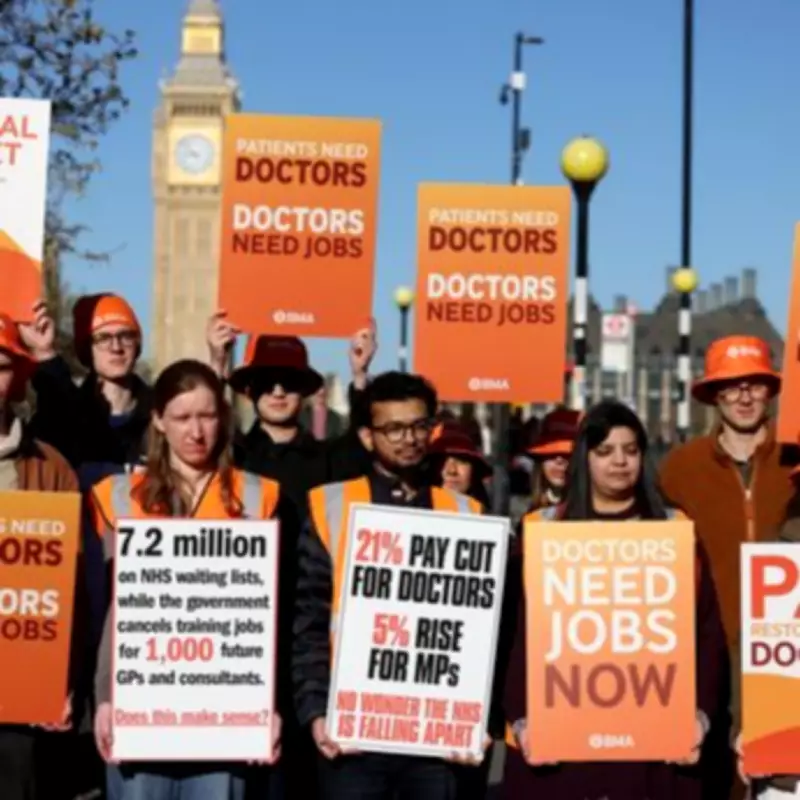
Junior doctors in England have commenced a six-day strike, marking the 15th walkout since 2023 and equalling the longest in the ongoing dispute. The action began at 7am on Tuesday, with resident doctors protesting pay erosion they argue has reduced real terms earnings by a fifth since 2008, according to the retail price index (RPI).
Health Secretary Criticises Strike Costs
Health Secretary Wes Streeting has labelled the strikes as "unreasonable", stating in broadcast interviews that the estimated £3 billion cost of covering the walkouts could have funded the construction of "a few" hospitals or accelerated NHS waiting list reductions. He noted that NHS estimates put daily costs at around £50 million for staff cover and rescheduled operations, with this latest strike alone projected to cost £300 million.
Pay Offer and Dispute Details
The strike follows a government pay offer for 2026/27, which included a 3.5% pay rise, reimbursement for exam costs, and an additional 1,000 medical training places. Streeting argued this package would have resulted in an average 4.9% pay increase for resident doctors. However, the British Medical Association (BMA) rejected the deal, claiming last-minute changes phased parts of the increase over three years, effectively making it a real-terms cut given RPI inflation of 3.6%.

Dr. Jack Fletcher, chair of the BMA's Resident Doctors Committee, stated the strike was avoidable, accusing the government of reducing investment value and stretching it over years. He emphasised that doctors are leaving the NHS due to feeling undervalued, urging action to retain staff.
Broader Context and Comparisons
Streeting highlighted that resident doctors have received significant pay rises under the current government, with the latest deal purportedly leaving them 35.2% better off than four years ago. In contrast, most other NHS staff, including nurses and midwives, were offered 3.3% for 2026-27, while 1.5 million council workers received a similar increase.
Pay settlements were set when inflation was expected to drop below 2%, but the US war with Iran has altered forecasts, with inflation now anticipated to rise. The latest RPI rate was 3.6% in February, compared to the consumer price index (CPI) of 3%.
The dispute has escalated tensions, with NHS leaders criticising the BMA for not putting the offer to a member vote. Streeting concluded that the public must decide who is being unreasonable, given the context of the pay rises and rejected deal.