The parents of a teenager who died of cancer after diagnosis delays have welcomed new NHS guidance introduced in her memory, saying it could give other young people a fair chance.
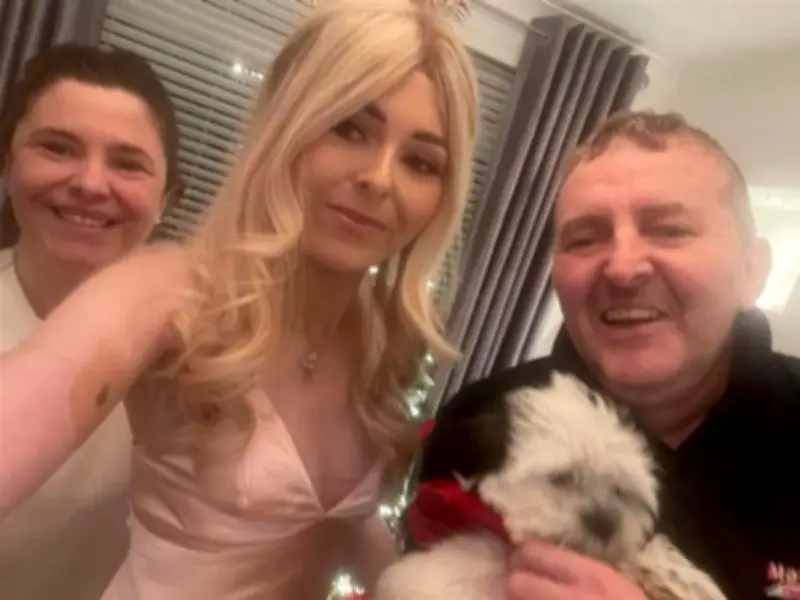
Isla Sneddon, from Airdrie, was 17 when she died in March last year, six months after being diagnosed with breast cancer. Her parents, Mark, 55, and Michelle Sneddon, 48, believe she should have been diagnosed sooner and could still be alive if she were an adult.
Campaign for change
The couple launched a petition calling for action to address delays in cancer diagnosis for children. The new guidance, named Isla's Principles, will be introduced on Friday and includes four key action points for clinicians to consider when a young patient presents with unexplained, persistent symptoms.
Speaking after the Scottish Government announced the guidance for GPs and cancer specialists, Mark and Michelle Sneddon said: "This is a very big moment. It's taken the death of our daughter to be catalyst for change, but we are now hopeful we have stopped other families going through the grief we face."
They added: "Every day is a struggle, every day we grieve for Isla but as a family we decided we had to make a change. Isla looked fine and healthy but she was walking around with terminal cancer for months. Isla did all the right things but she was dismissed simply because of her age. It was wrong and an injustice."
What the principles include
The principles follow the family's campaign and a petition that attracted 43,000 signatures. They are designed to help clinicians recognise when children and young people may have cancer.
Under Isla's Principles, repeated healthcare visits and persistent concerns raised by patients and their families should increase a GP's suspicion of cancer. Clinicians are also encouraged to listen carefully, communicate uncertainty and ensure patients and families understand what happens next and when to seek further help.
Mark Sneddon said: "Getting a diagnosis is the hardest part, once you get it, the NHS is amazing. But early intervention has got to be the answer. Now we know through Isla's Principles that young adults will get a fair chance at that."
A family's fight
Isla first visited her GP aged 15 after discovering a lump in her breast and was told it was likely benign and caused by hormonal changes. Two years later, she was recommended a biopsy, but the referral was downgraded because of her age.
By the time she was diagnosed with breast cancer in 2024, her family were told it had spread to her lungs, heart and lymph nodes and she had just six months to a year to live.
Health Secretary Angela Constance said: "My sincere thoughts go out to the Sneddon family over the loss of their daughter, Isla. They have shown tremendous resilience and determination to campaign for meaningful change in their daughter's memory. Many clinicians already adopt the ethos of Isla's Principles but it is important this is applied consistently across Scotland."