HIV Infections Could Surge 10% in US if CDC Funding is Terminated
Researchers from the Johns Hopkins School of Medicine have issued a stark warning that newly proposed HIV funding cuts by the Trump administration could jeopardise the health of thousands of Americans. According to computer modelling, if $1.5 billion in cuts are implemented, HIV infections over the next five years could increase by up to 10 percent across 18 states.
This potential surge represents a significant setback to the decades-long, bipartisan effort to combat HIV, an incurable and lifelong illness that still claims nearly 4,500 lives annually in the United States. More than 1.2 million Americans are currently living with HIV, a virus that aggressively attacks the body's immune system.
Modelling Predicts Widespread Impact
Dr. Todd Fojo, an associate professor of medicine at Johns Hopkins, emphasised the gravity of the situation. "The HIV epidemic has been going on for 40 years," he stated. "The United States has made tremendous progress over the years, with fewer people getting infected and better treatments for those who are infected. To enter a world where that suddenly reverses would be a big deal."

The projected 10 percent increase equates to 12,751 additional infections nationwide, though the impact would vary significantly by state. For instance, Washington state might see a 2.7 percent rise, while Louisiana could experience a nearly 30 percent surge in infections.
"We know that CDC-funded tests are diagnosing more infections in Louisiana than in Washington state, so the model's prediction makes sense," Dr. Fojo explained. He noted that states with more rural HIV epidemics would be disproportionately affected by testing funding reductions.
Critical Role of Testing and Prevention
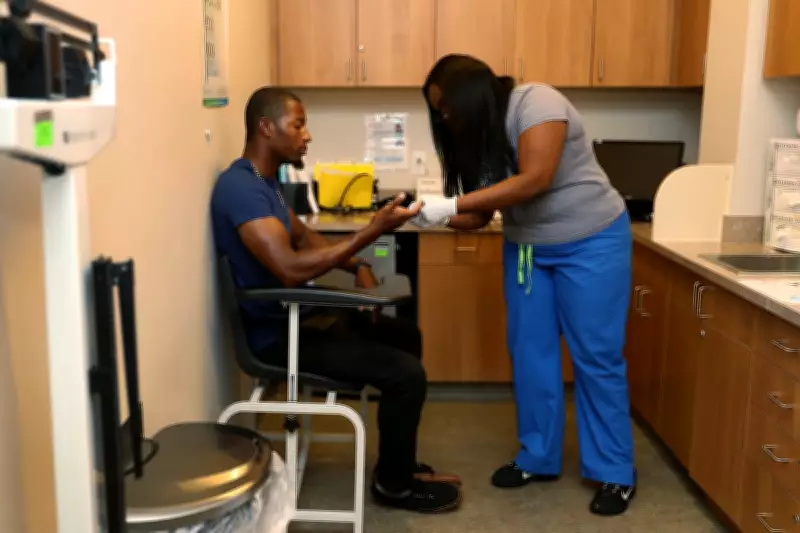
Testing remains crucial for preventing transmission, particularly among men who have sex with men and individuals who haven't been tested. The CDC typically allocates over $1 billion annually for domestic HIV prevention, distributing funds to numerous local health departments across the country.
Despite recent unsuccessful attempts to cut funding in the 2026 budget, new proposals aim to limit prevention funding to $220 million. This reduction would include cuts to parts of the Ryan White Program, which serves low-income or uninsured patients.
Organisations Voice Concerns
The HIV+Hepatitis Policy Institute has warned that such cuts would severely undermine the U.S. response to HIV. Carl Schmid, the institute's executive director, expressed concern in a release: "While we are reassured that over 600,000 low-income people currently accessing care and treatment through the Ryan White HIV/AIDS Program and those using PrEP programs in community health centers can maintain their services, the dismantling of HIV prevention and surveillance and other programs will just lead to more HIV infections and higher health costs down the road."
The Save HIV Funding Campaign highlighted the contradiction between these proposed cuts and previous administration goals, pointing out that without adequate resources, many more generations of Americans will live with HIV. This stands in stark contrast to the first Trump Administration's objective of ending HIV in the U.S. by 2030.
As researchers continue to investigate the potential consequences of losing CDC funding for other HIV prevention measures, the debate over public health priorities intensifies. With nearly 40,000 new diagnoses annually, the stakes for maintaining effective prevention strategies could not be higher.