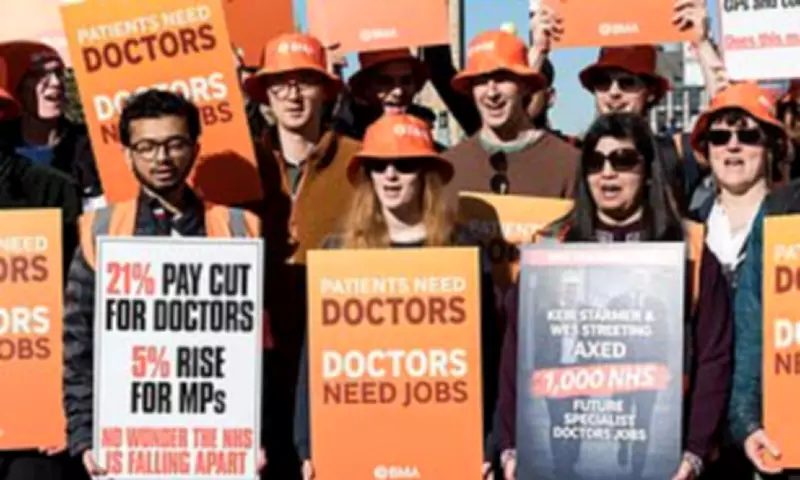
Health Secretary Accuses Striking Doctors of Trying to 'Fleece' Taxpayers
Health Secretary Wes Streeting has launched a scathing attack on striking junior doctors, accusing them of attempting to "fleece" the British public as they began their latest six-day walkout. The industrial action, which commenced at 7am today, involves pay demands that could potentially cost taxpayers an astonishing £30 billion annually if extended to all NHS staff.
Patient Care Disruption and Financial Impact
Mr Streeting acknowledged that the prolonged strike will inevitably leave some patients "waiting in pain or anxiety longer than is necessary" as thousands of appointments face cancellation. This marks the fifteenth round of strikes by resident doctors, previously known as junior doctors, who have now taken to picket lines on sixty separate days over the past three years.
The financial toll of these strikes has been substantial, with NHS hospitals already losing £3 billion in activity and overtime payments to covering colleagues during previous industrial actions. Each strike day currently burns through approximately £50 million of precious NHS funds, with this latest six-day walkout expected to cost around £300 million.

Pay Demands and Government Response
The British Medical Association (BMA) is pursuing a 26 per cent pay increase for junior doctors, which would come on top of the 28.9 per cent salary boost they have already received over the past three years. While the union claims this would cost approximately £3 billion annually, Mr Streeting warned that acceding to these "unreasonable" demands would trigger similar expectations across the entire NHS workforce, potentially escalating the annual cost to £30 billion.
"That is more than the entire cost of the Ministry of Justice's entire budget for running the criminal justice system," the Health Secretary emphasized during an interview with BBC Radio 4's Today programme. He described the BMA's position as "intransigent" and criticized their "increasingly absurd set of positions," particularly given that junior doctors have been "the biggest winner by a country mile of public sector pay increases" under the current government.
Rejected Deal and Union Hypocrisy Claims
Last month, the BMA's resident doctors committee rejected a government offer that would have increased medics' pay by 35 per cent over three years while creating thousands of new specialty training positions. Under this rejected proposal, some doctors would have earned more than £100,000 annually, with first-year graduates starting on average salaries of £52,000.
Mr Streeting highlighted what he called the "hypocrisy" of the BMA striking while offering their own staff a mere 2.75 per cent pay increase "on affordability grounds." He questioned why the union believed it could "get away with telling their own staff they only get 2.75 per cent because that's all they can afford, whilst rejecting a 4.9 per cent offer because that's all the Government can afford."
NHS Operations and Patient Concerns
NHS England has admitted this week's walkout - the longest junior doctors' strike to date - will present significant challenges, though emergency services remain operational. Approximately 95 per cent of planned care, including tests, scans, surgeries, and procedures, is expected to proceed as scheduled.
Nevertheless, patient anxiety remains palpable. Adrian Emery, a 55-year-old from Nottinghamshire who has experienced multiple mini-strokes, expressed deep concern after having his follow-up appointment cancelled twice. "I'm very worried," he told BBC News, "because my grandfather actually had a very serious stroke. I hope I don't have a full stroke before I am seen."
Union Perspective and Future Implications
Dr Jack Fletcher, chairman of the BMA's resident doctors committee, expressed regret about the industrial action but maintained that doctors felt they had "no choice." He criticized the government for using "doctors' jobs as political pawns" while the NHS grapples with "an epidemic of corridor care" and persistently high waiting lists.

The ongoing dispute has already led to the scrapping of 1,000 new training positions that were scheduled to begin next month, with NHS England deeming them no longer "financially or operationally" feasible due to strike-related disruptions. Sir Jim Mackey, chief executive of NHS England, has suggested the health service might need to overhaul frontline staffing to reduce dependence on what he called "unreliable" resident doctors.
As the strike continues through its six-day duration, both sides appear entrenched in their positions, with patients caught in the middle of a bitter dispute that shows no immediate signs of resolution.