

Health Organisations Condemn Commonwealth Games Sponsorship Deals
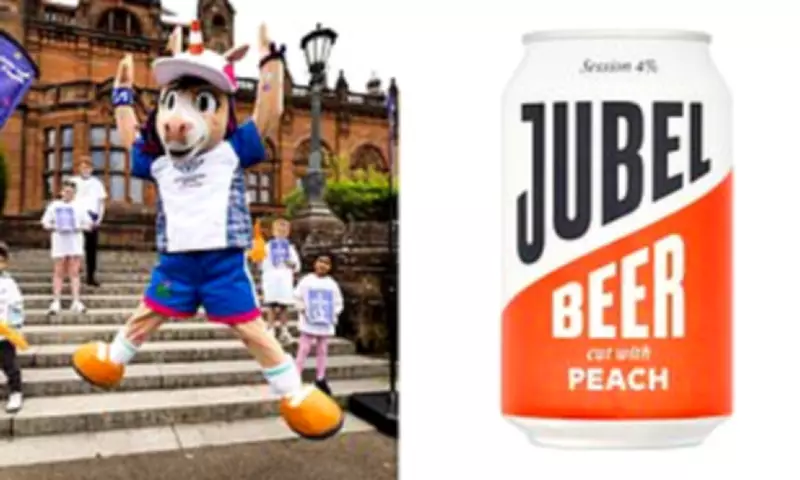
A significant partnership arrangement for the upcoming Commonwealth Games has drawn sharp criticism from public health advocates across Scotland. The collaboration between the Glasgow 2026 Commonwealth Games organisers, soft drinks giant Coca-Cola, and fruit-infused lager brand Jubel has been described as potentially damaging to the event's intended health and wellbeing legacy.
Coalition Voices Serious Concerns
NCD Alliance Scotland, a coalition representing twenty-five prominent health organisations, has publicly expressed its disapproval of these commercial arrangements. The alliance includes influential bodies such as Alcohol Focus Scotland, Scottish Health Action on Alcohol Problems, Obesity Action Scotland, and ASH Scotland. In a formal open letter addressed to Phil Batty OBE, the chief executive officer of the Games, the coalition has requested an urgent meeting to discuss how the event can distance itself from products considered harmful to public health.
David McColgan, chairman of NCD Alliance Scotland, articulated the group's position clearly. 'The Commonwealth Games presents an ideal platform to showcase Glasgow and Scotland positively, inspiring children and young people towards healthier, more active lifestyles,' he stated. 'While we acknowledge the organisers' commitments to smoke-free zones, promotion of smoking cessation services, and provision of free drinking water, we hold grave reservations about the impact of the Jubel and Coca-Cola sponsorships on younger audiences.'

Impact on Youth and Public Health
The health coalition's concerns are rooted in substantial evidence regarding marketing influence. 'Research consistently demonstrates that increased exposure to alcohol marketing correlates with earlier initiation of drinking and higher consumption levels among young people,' McColgan explained. 'Similarly, the Coca-Cola brand, strongly associated with high fat, salt, and sugar products, risks shaping the perceptions and preferences of children watching the sporting events.'
This criticism carries particular weight given Glasgow's public health context. The city currently records the highest alcohol-related death rate in the United Kingdom, while health inequalities continue to widen across Scotland. 'It seems profoundly counter-intuitive to market products that contradict the fundamental ideals of sport,' McColgan continued. 'This approach risks tarnishing any positive health and wellbeing legacy the Games could deliver for Glasgow and the wider Scottish population.'
Sponsors Defend Their Involvement
The companies at the centre of this controversy have defended their partnerships. Jubel, a United Kingdom beer brand specialising in fruit-infused lagers it describes as 'dangerously refreshing,' was founded by Jesse Wilson, a former brand manager for Maltesers at Mars. The company professes a dedication to bringing 'extreme joy to all.'
Earlier this month, Stephen Moorhouse, general manager at Coca-Cola Europacific Partners, emphasised the company's local connections. 'Supporting the Commonwealth Games in Glasgow holds particular significance for us due to our strong roots through local operations in East Kilbride,' he said. 'In collaboration with our on-ground partners, we are focused on creating a positive impact for communities across Glasgow and ensuring an enjoyable experience for the thousands of Games attendees.'
Games Organisers Stand by Partnership Strategy
A spokesperson for Glasgow 2026 responded to the criticism by highlighting the necessity of commercial partnerships. 'The success of the Games fundamentally relies on partnership,' the statement read. 'Our approach carefully balances public health initiatives with the commercial partnerships that make the event financially viable. We are proud to welcome Coca-Cola and Jubel as partners. Their support is crucial to staging an accessible, community-focused, and enjoyable event for all attendees.'

The Glasgow 2026 Commonwealth Games are scheduled to take place from July 23 to August 2, with the opening ceremony set for The Hydro arena. As the debate continues, the tension between securing essential funding and upholding public health principles remains a central challenge for the event's organisers.





