
A General Medical Council (GMC) survey has found that six in ten GPs admit they cannot provide 'sufficient care' to patients at least once a week, as one GP told the Mirror they are 'swamped'.
The regulator's poll of more than 4,600 doctors found 41% said they found it hard to provide patients with sufficient care weekly, rising to 60% among GPs and 51% among recently qualified doctors.
Job satisfaction falls
The annual survey found overall job satisfaction declined slightly in 2025, returning to levels last seen in 2023. The proportion of doctors considering leaving the profession permanently for reasons other than retirement rose to 22% from 19% in 2024.
Charlie Massey, GMC chief executive, said: "Patients rightly expect good care from their doctors, and doctors are clear about what good care looks like. Yet many tell us that providing that level of care is difficult."
"It is not due to a lack of professionalism or commitment, but because of the pressures in their working environment. However committed doctors may be, the quality of care they can provide is shaped by the conditions in which they work."
GP describes 'relentless' workload
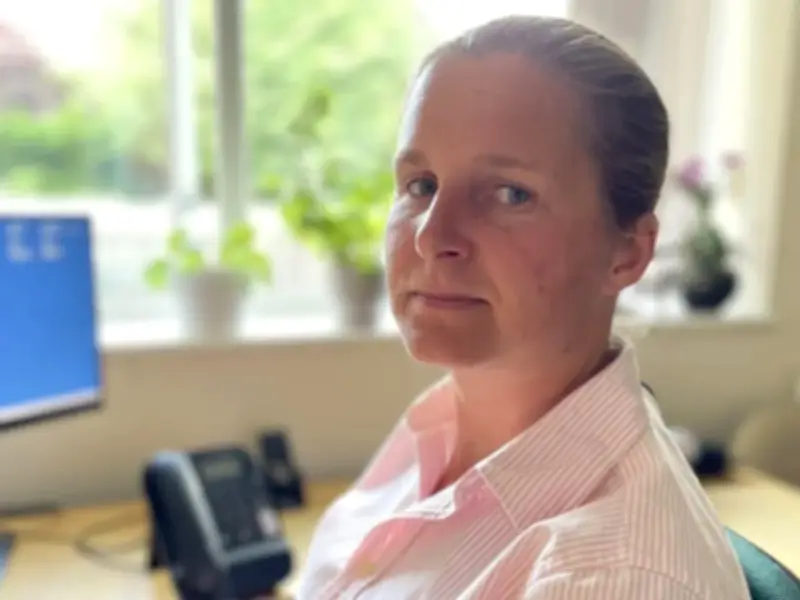
GP Tamara Keith runs a practice in Bottisham, Cambs, and is working with campaign group Rebuild General Practice. She said: "Workloads have hugely increased. I’m a partner so I have to stay until the work is done. It’s relentless. We need more GPs and bigger practice buildings to see more appointments because we are swamped."
Tamara blames falling morale on government rule changes brought in across England this year to end the '8am scramble' for appointments via phone lines. Surgeries must now remain open to online requests for appointments throughout the working day from 8am to 6.30pm. Previously practices could suspend online bookings when all slots were filled and phone lines could remain engaged.
Tamara, 42, told the Mirror: "When I start on Monday I will have between 85 to 100 requests to triage and I only have 15 to 20 slots that day. I have to see the remaining three quarters myself either in person or over the phone."
"I will work solidly from 7am to 7pm and I won’t have a lunch break. It’s just not manageable. We understand this was designed for the benefit of patients but it’s got to be safe. We are not endlessly staffed so not being able to say ‘we are full today’ is not safe."
"The ‘morale injury’ comes because we are not able to provide the care we want to give or that we used to give. When I tell my friends who don’t work in medicine about my day they just can’t believe it."
Regional and systemic pressures
A UK breakdown showed that in England and Northern Ireland four in ten doctors cannot provide the level of care they would like. However in Wales and Scotland the figure was almost 50%. Devolved governments are responsible for the NHS in Scotland, Wales and Northern Ireland.
Dr Amit Kochhar, representative chair at the British Medical Association, said: "This report makes for concerning reading. The limited gains in job satisfaction for doctors over the last two years have been wiped out."
Falling job satisfaction was linked to "clear emotional strains for doctors, including guilt, frustration, a reduced sense of purpose, and feelings of moral injury", the report said. Some 53% of doctors said delays to providing care, treatment or tests was the main barrier to patient care in the last year, rising to 73% among GPs.
The Royal College of GPs (RCGP) said there were now on average 2,300 patients for every qualified full-time equivalent GP in England - a 13% increase since 2015. Over the last decade more senior GPs have taken early retirement due to unmanageable workloads.
Professor Victoria Tzortziou Brown, RCGP president and a family doctor in Tower Hamlets, East London, said: "This is not about a lack of commitment or professionalism, but whether GPs have the time and capacity they need to provide the standard of care our patients deserve."
"It’s particularly concerning to hear that so many GPs are considering leaving the profession earlier than planned. Our workload is increasing in both volume and complexity, we don’t have enough GPs to deliver the care our patients need and general practice's share of NHS funding is at its lowest in a decade."
"These pressures are taking their toll, and it will be patients who bear the brunt. GPs and our teams deliver the vast majority of NHS patient contacts, and in doing so we alleviate pressure across the health service, keeping it cost-effective and sustainable."
A new question added for the 2025 poll asked about poor co-ordination between GPs and hospitals. Only one in five doctors said co-ordination between primary and secondary care is currently effective.
The Department of Health and Social Care was approached for comment.




