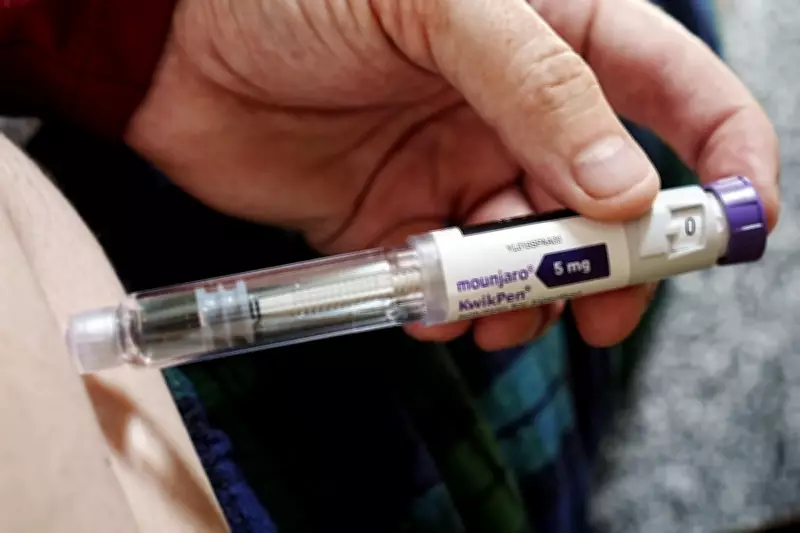
GLP-1 weight-loss drugs, such as Ozempic and Wegovy, are renowned for helping users shed dozens of pounds, but emerging research reveals they offer a host of surprising health benefits beyond mere weight reduction. Currently, one in eight Americans reports taking these shots, which first gained popularity in the early 2020s. Scientists are now uncovering positive impacts across multiple organ systems, including reduced inflammation that can lower risks of deadly cancers, dementia, and cardiovascular issues.
Comprehensive Research on GLP-1 Effects
Dr. Ziyad Al-Aly, a clinical epidemiologist and nephrologist at Missouri's John J. Cochran Veterans Hospital, emphasized the importance of systematic examination. "Given the drugs' newness and skyrocketing popularity, it is crucial to leave no stone unturned in understanding their effects on all body systems," he stated. This thorough approach has led to discoveries in heart, kidney, liver, and brain health.
Cardiovascular Benefits
GLP-1 drugs protect blood vessels by lowering harmful inflammation, a key factor in the onset of the most common heart disease in the U.S., according to Dr. Christina Dunbar Matos, a cardiologist at Nebraska Medicine. "Treating the disease at its root is a significant advancement," she noted. The medications also reduce hospitalizations and deaths in patients with heart failure where the heart doesn't fill properly, known as HFpEF. Recent studies from England's University of Bristol and University College London show these drugs can prevent further tissue damage after a heart attack and limit complications.

Kidney Health Improvements
With over one in seven Americans affected by chronic kidney disease, often unknowingly, GLP-1s offer hope by reducing the risk of disease progression and kidney failure. The American Kidney Fund explains that controlling blood sugar levels with these drugs means less sugar enters the kidneys, preventing filter damage. A Johns Hopkins study found a 15% reduction in major cardiovascular events and a 19% lower risk of end-stage kidney disease for type 1 diabetes patients on GLP-1s over five years.
Liver Disease Treatment
GLP-1 drugs show promise in reversing liver scarring from metabolic dysfunction-associated steatotic liver disease (MASH), a common cause of liver transplants. Harvard researchers documented this reversal, while a King's College London study found semaglutide effectively treats liver disease in two-thirds of patients. In August, the U.S. Food and Drug Administration approved Wegovy for MASH treatment in adults with excessive liver scar tissue.
Cancer and Neurodegenerative Disease Insights
GLP-1 users may have a reduced risk of developing 14 types of cancer, including a 47% lower risk of ovarian cancer, as per Purdue University research. For Alzheimer's disease, the most common form of dementia in the U.S., results are mixed: semaglutide pills did not slow progression compared to a placebo, but liraglutide showed nearly 50% less brain volume loss and an 18% slower cognitive decline. Scientists, like Professor Paul Edison of Imperial College London, caution that negative trials might indicate poor brain access rather than concept failure.
As research continues, GLP-1 drugs are proving to be multifaceted tools in combating various health conditions, offering benefits that extend far beyond weight management.