Glasgow Hospital Inquiry: Families Accuse NHS of Smear Campaign Over Infection Deaths
Families of patients treated at a major Glasgow hospital complex have vowed to continue their fight for justice, claiming environmental flaws "killed and poisoned our loved ones" in a devastating statement that accuses health authorities of conducting a smear campaign against them.
Emotional Allegations at Scottish Hospitals Inquiry
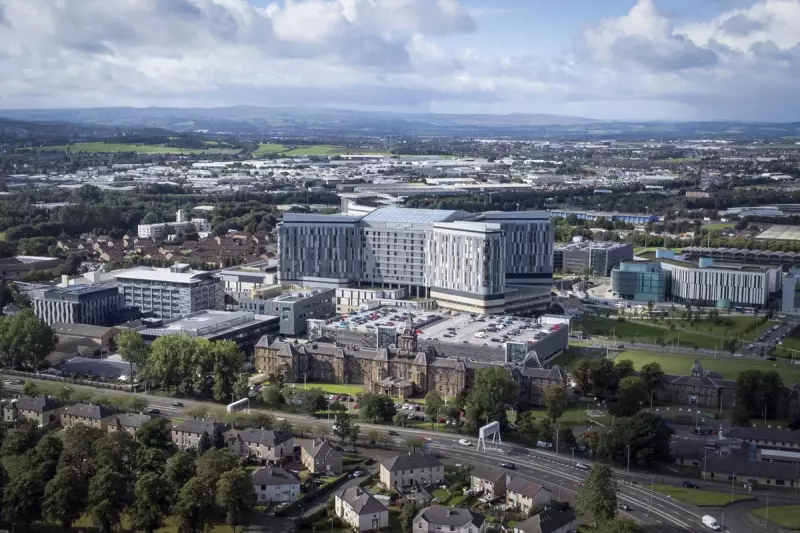
The powerful allegations emerged during the ongoing Scottish Hospitals Inquiry, which is examining the design and construction of the Queen Elizabeth University Hospital (QEUH) and the adjacent Royal Hospital for Children (RHC) on the same campus. The investigation was launched following a series of deaths linked to infections, including the tragic case of 10-year-old Milly Main in 2017.
In a statement read on their behalf on Thursday, the families declared their unwavering resolve, stating: "we are going nowhere" in their pursuit of accountability. They accused NHS Greater Glasgow and Clyde (NHSGGC) of having "demeaned and smeared" them throughout their campaign for answers.

Health Board Concedes Environmental Connection
In written closing submissions to the inquiry, the health board accepted there was probably a "causal connection" between infections suffered by patients and the hospital environment, particularly the water system. NHSGGC acknowledged that pressure was applied to open the hospital on time and on budget, but conceded it is now clear the facility opened "too early" and "was not ready" when it welcomed patients in 2015.
Despite these admissions, the health board maintains that both hospitals are safe today and has offered a "sincere and unreserved apology" to affected patients and families.
Families' Devastating Testimony
Lawyer Stephanie Spencer from Thompsons Solicitors Scotland, representing the vast majority of affected families, read their collective statement which painted a harrowing picture of their experiences.
"We came to the Queen Elizabeth University Hospital in desperate need of help," the statement began. "We trusted the hospital and the health board. Instead, we were left at the mercy of a hospital with a defective ventilation system and a defective water system."
The families described being at the mercy of what they now believe to be a "deceitful and dishonest health board" and detailed the enormous trauma they have endured. "Some of our loved ones have died. Some are left with very serious lifelong consequences," they stated.
Allegations of Systematic Failure
The statement contained direct accusations against NHSGGC, alleging "gross misconduct, incompetence and dishonesty" which they claim "led to the deaths and serious illnesses of our loved ones."
"When we raised concerns, you ignored us. When we protested, you demeaned and smeared us," the families asserted. "Your army of legal advisers and press spin doctors worked over years to undermine us, despite your best efforts, here we are today, and you must face a reckoning."
The families called for those responsible to be dismissed and stripped of all pensions relating to their work at the health board. They also demanded immediate action from politicians and a full upgrade of the entire hospital complex.
Legal Perspective on the Inquiry
In his closing submissions to the inquiry, Steve Love KC, who represents many of the affected families, noted that the investigation has been ongoing for four years at significant public expense. "And only now, in its final throes, have GGC conceded many significant and impactful failings on their part," he observed.
Love emphasised that patients had felt "unheard" throughout the process and insisted that the health board's approach had eroded public trust. He revealed that families were "astonished and frankly angered" to learn that the hospital was not ready when it opened nearly a decade ago.

Health Board's Position and Government Response
In its written submissions, NHSGGC maintained that it has been "broadly acknowledged that there is no definite link between infections and the water system" while accepting it is "more likely than not" that a material proportion of additional environmentally relevant bloodstream infections in the paediatric haemato-oncology population between 2016 and 2018 had a connection to the hospital water system.
The health board reiterated its apology and commitment to patient safety, stating: "We want to reassure patients and families that the QEUH and RHC are safe today. Ensuring the safe care of our patients is our key priority at all times."
Scottish Health Secretary Neil Gray acknowledged the families' trauma and diligence, stating that the government brought forward the public inquiry specifically so families could get answers to their questions. "It is because we have instigated a public inquiry that, I believe, we are getting to the truth," he said, while declining to comment further until the inquiry publishes its final conclusions.
The families concluded their statement with a powerful appeal: "Look at the pictures of our loved ones. Will the fates they have suffered count for nothing? Do the people of Scotland not deserve better than lying health board officials? We are going nowhere. Now is the time to act."