A Generation of Promise Amidst Policy Shortfalls
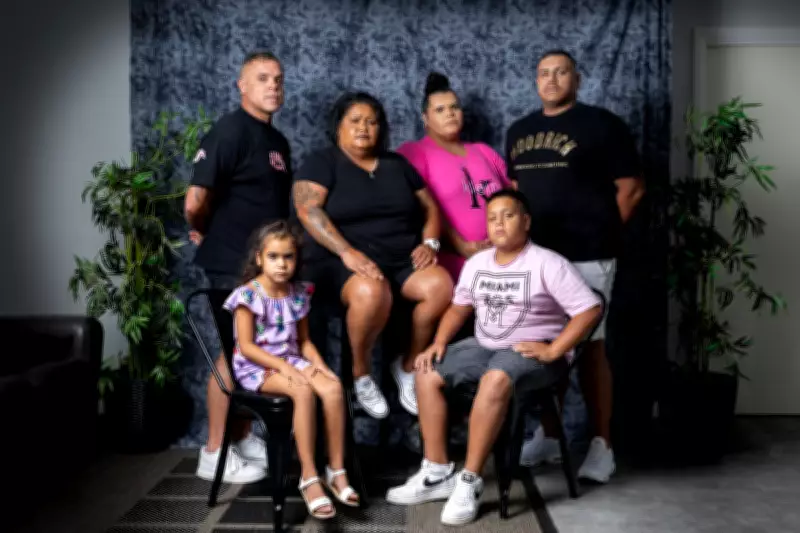
Eighteen years after Australia's landmark pledge to close the life expectancy gap for First Nations people, the children born in that era are now stepping into adulthood. The Dungay-Dates-Towers family from Chisholm, New South Wales, embodies this transition, with parents Racheal Dungay-Dates and Trevor Towers fostering dreams and stability for their four children: Skye, Worimi, Trevor Jr, and Star.
Stark Statistics and Personal Struggles
According to recent federal data, the Closing the Gap goals are faltering. First Nations males born between 2020 and 2022 have a life expectancy of 71.9 years, while females can expect 75.6 years, representing gaps of 8.8 and 8.1 years respectively compared to non-Indigenous peers. Of the 17 targets set, only four are currently on track to be met, highlighting systemic challenges in areas like health, education, and employment.
However, the Dungay-Dates-Towers family is charting a different course. Skye, the eldest, aspires to become a midwife, driven by a passion for caring for babies and children. Her brother Worimi aims to join the police force, with plans to apply to the academy after completing a Tafe program designed for Aboriginal youth. Their ambitions reflect broader trends: 47% of Aboriginal and Torres Strait Islander young people now hold tertiary qualifications, and 58% are engaged in employment, education, or training, though these figures fall short of the 2031 targets of 70% and 67% respectively.

Building Foundations Through Resilience
Trevor Towers, who did not finish high school, emphasizes the importance of seizing opportunities. "Life's too short. At the end of the day – you got to go and make something of yourself because you don't know what tomorrow's going to bring," he says. The couple, who started their family in their late teens, have worked tirelessly to provide a loving and secure environment, contrasting with their own turbulent childhoods. Dungay-Dates recalls the early years as a struggle but notes that Worimi's birth was a wake-up call, shifting her focus entirely to her children's well-being.
Towers's mother, a member of the Stolen Generations, witnessed the National Apology in 2008, which laid the groundwork for the Closing the Gap policy. Since then, the family has observed positive changes in their local school, which has become more culturally safe, offering spaces for Aboriginal students to study and connect.
Community Leadership and Filling the Gaps
Dungay-Dates founded the Ngarra Aboriginal Corporation, an initiative born from her career in community and mental health. The organization supports families in crisis through culturally responsive, trauma-informed programs, ranging from domestic violence reduction to employment support. "I want to do something that's going to be very different and unique," she explains. "A lot of state and federal government look at closing the gap but for me, I wanted to fill the gap." Towers credits her as the driving force behind Ngarra, noting its impact on participants, including men who have transitioned into full-time work.
Broader Challenges and Calls for Change
A recent Productivity Commission update reveals worsening statistics in key areas: juvenile detention, child protection removals, adult incarceration, and suicide rates. The suicide rate in 2024 reached its highest level since 2016, underscoring urgent needs. The Coalition of Peaks advocates for increased investment in Aboriginal community-controlled sectors to address these issues.
Tom Calma, former Aboriginal and Torres Strait Islander social justice commissioner, whose 2006 report highlighted a 17-year life expectancy gap, criticizes the scattergun approach to policy. He emphasizes that Close the Gap began as a people's movement, with over 40,000 Australians demanding action during the 2007 election campaign. The annual shadow report continues to call for structural reforms based on human rights and self-determination.

A Future Forged by Determination
The Dungay-Dates-Towers family refuses to wait for governmental solutions, instead pushing forward for their community and children. "We were born to fight every day, being First Nations people," says Towers. "You still fight [even] with all the opportunities, but it's come a long way." Their story serves as a testament to resilience amidst ongoing challenges, offering hope as Australia grapples with its commitments to equality and justice.