
Australia has recorded its first death from diphtheria in nearly a decade, as health authorities battle the worst outbreak of the bacterial infection in decades. A man who died at the Royal Darwin Hospital in April has been confirmed as the country's first fatality from the disease since 2018.
Northern Territory chief health officer Dr Paul Burgess confirmed the death, saying an autopsy report from an overseas laboratory had identified diphtheria as the probable cause. Health minister Steve Edgington said final toxicology tests showed the “diphtheria bug is producing a toxin that can cause these health effects”.
The outbreak has been concentrated in the Northern Territory, where 163 cases have been reported, including 115 involving skin infection and 48 the more dangerous respiratory form. Cases have also been reported in Queensland and South Australia. Officials said new cases had fallen to nine in the past week, down from a peak of 22 per week.
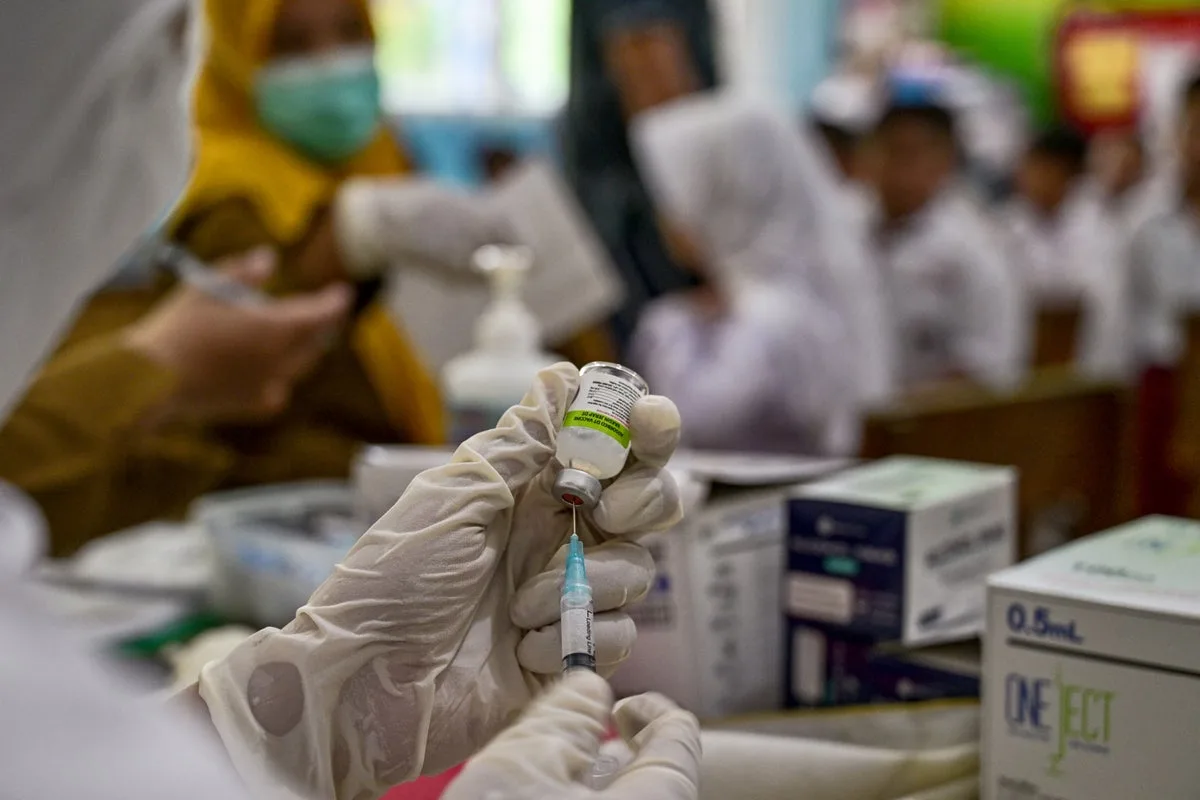
The disease was once considered almost eradicated in Australia following a vaccination programme that began in the 1930s, but a dip in immunisation rates has been blamed for its resurgence. Almost all confirmed cases have involved Indigenous Australians, and health authorities are working with Aboriginal agencies to improve uptake. Dr Burgess said more than 10,000 vaccines had been administered in the Northern Territory in the past seven weeks.
Diphtheria typically spreads through contact with an infected person's coughs or sneezes, or through contaminated cups, cutlery and bedding. Symptoms, which usually appear two to five days after infection, include a grey-white coating at the back of the throat, fever, sore throat, swollen neck glands and difficulty swallowing or breathing. A less common form affects the skin, causing blisters and ulcers.




