Spanish Euthanasia Case Concludes After Protracted Family Legal Dispute
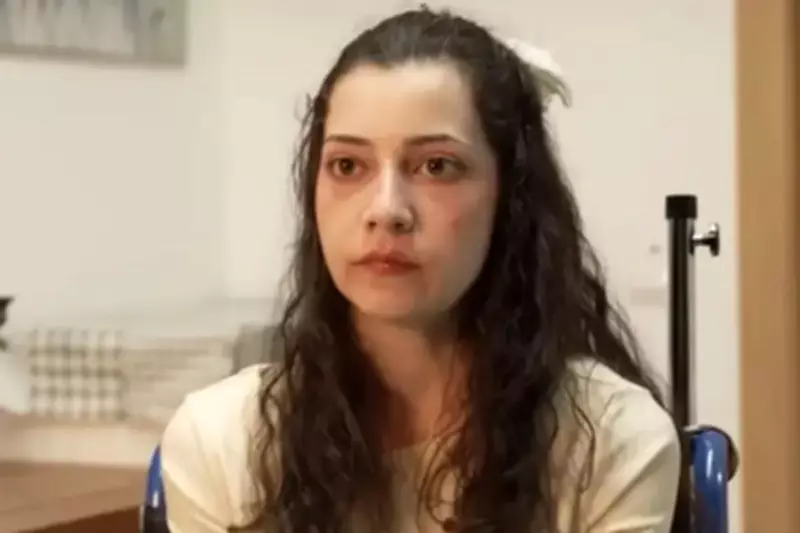
Noelia Castillo, a 25-year-old Spanish woman whose lengthy legal struggle for the right to die captivated national attention, has received life-ending medicine in Barcelona. The highly publicised case concluded on Thursday after courts ultimately upheld her right to euthanasia under Spanish legislation.
Complex Legal Battle Over Right to Die
Ms Castillo had pursued euthanasia for approximately eighteen months following Spain's 2021 legislation that legalised physician-assisted suicide and euthanasia for patients with incurable diseases or unbearable permanent conditions. Her application received approval from a medical body in Catalonia during 2024, but her father immediately initiated legal proceedings to prevent the procedure.
The conservative Catholic organization Abogados Cristianos represented Ms Castillo's parents throughout the legal challenge. Attorney Polonia Castellanos expressed the family's profound disappointment with the outcome, stating they believed Spanish authorities had failed their daughter by permitting her death. "Death is the last option, especially when you're very young," Ms Castellanos remarked following the procedure.

Tragic Circumstances Leading to Euthanasia Request
Ms Castillo's journey toward euthanasia began with profound personal tragedy. Following a sexual assault, she attempted suicide in October 2022, resulting in injuries that left her paraplegic and confined to a wheelchair. This marked her second suicide attempt, with an earlier attempt also documented in her medical history.
In April 2024, Ms Castillo formally requested euthanasia through Catalonia's independent assessment body comprising medical professionals, legal experts, and bioethics specialists. The body determined her condition met the legal criteria as serious, incurable, and causing severe, chronic, and debilitating suffering.
Legal Proceedings Reach Supreme Court
When Ms Castillo's father appealed the Catalan body's decision in August 2024, the euthanasia request was temporarily suspended during deliberation. The family's legal team argued that mental illness compromised her capacity to make end-of-life decisions. Barcelona courts initially ruled in Ms Castillo's favour, prompting her father's lawyers to appeal to Spain's Supreme Court.
In January, the Supreme Court definitively upheld Ms Castillo's right to proceed with euthanasia, exhausting domestic legal avenues for her family. Abogados Cristianos subsequently appealed to the European Court of Human Rights, which earlier this month declined to intervene or suspend the procedure.
Final Statements and Media Spotlight
Speaking to Spanish broadcaster Antena 3 on Wednesday, the day preceding her death, Ms Castillo expressed relief that her lengthy struggle was concluding. "At last, I've managed it, so let's see if I can finally rest now," she stated. "I just cannot go on anymore."
Ms Castillo acknowledged the intense media attention surrounding her case while explaining her decision to exclude family members from her final moments. "None of my family is in favour of euthanasia, obviously, because I'm another pillar of the family," she noted, adding, "but what about the pain that I've suffered all of these years?"
Broader Context of Assisted Dying in Europe
Spain joins eight other European Union nations with legislation permitting assisted dying for those experiencing unbearable suffering. According to Dignity in Dying, a UK-based advocacy organisation, these laws typically involve patients self-administering prescribed lethal medication or, in euthanasia cases, medical professionals administering lethal injections under strict conditions.
Since implementing its euthanasia legislation, Spanish health authorities report 1,123 individuals have received life-ending medicine through the end of 2024. The criteria and procedures vary significantly across European jurisdictions where such practices are legalised.
Ms Castillo remained resolute about her decision throughout the legal process, asserting that parental preferences should not override personal autonomy regarding end-of-life choices. "The happiness of a father or a mother should not take precedence over the happiness or the life of a daughter," she affirmed during her final media appearance.