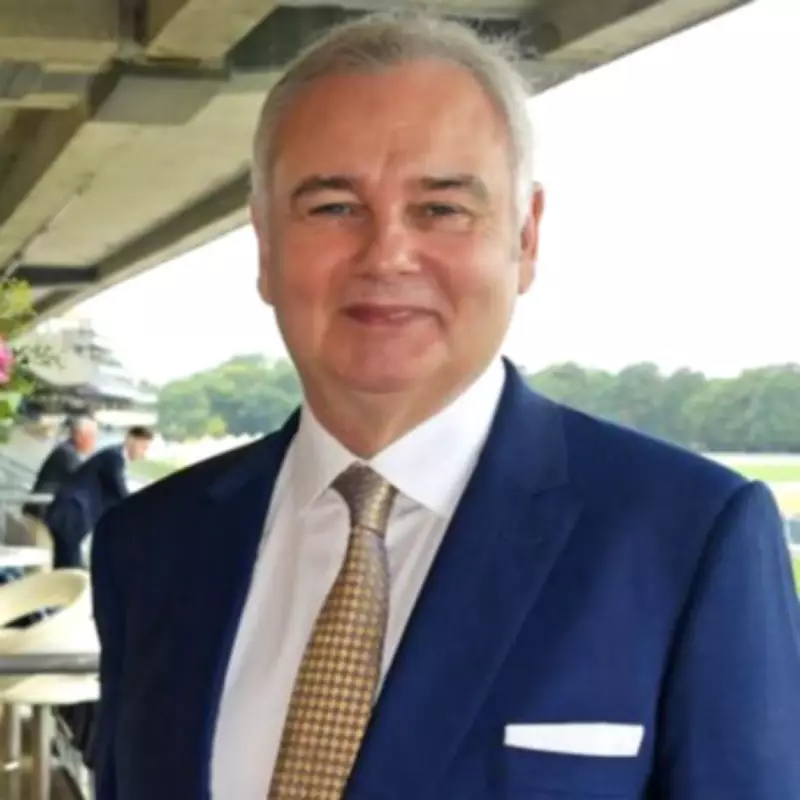
GB News presenter Eamonn Holmes is currently recovering in hospital after suffering a stroke, according to a statement released by the broadcaster. The 66-year-old Northern Irish broadcaster was taken ill last week, and medical professionals later confirmed he had experienced a stroke.
Holmes' Health Battle and Recovery
In the statement issued on Saturday, April 11, a GB News spokesperson confirmed that Holmes is responding well to treatment. The spokesperson added, "He is currently responding well to treatment. Eamonn has asked for privacy as he focuses on getting better. His colleagues and everyone at GB News wish him a speedy recovery and look forward to welcoming him back to the people’s channel when he is ready to return."
Holmes, who co-hosts GB News Breakfast with Ellie Costello, will be temporarily replaced by Alex Armstrong this week during his absence. This health crisis comes after a long history of medical issues for the television personality.

Previous Health Struggles
Eamonn Holmes has publicly discussed his ongoing health challenges, particularly related to back problems that began when he dislodged discs in his spine. This condition previously impinged on his sciatic nerve and significantly affected the mobility of his right leg.
The former This Morning host has undergone spinal surgery and a double hip replacement, and he has spoken openly about his difficulties with walking and his reliance on a mobility scooter. Last May, Holmes experienced two separate falls within weeks of each other - first at his home, requiring hospital treatment, and then live on-air when he fell from his chair during a broadcast.
Understanding Strokes: NHS Guidance
According to the National Health Service, a stroke occurs when blood flow to part of the brain is interrupted or severely reduced. This medical emergency can affect speech, movement, and cognitive functions, often requiring extensive recovery time. Because strokes can be life-threatening, immediate hospital treatment is crucial.
Recognising Stroke Symptoms
The main symptoms of a stroke typically appear suddenly and without warning. The NHS identifies three primary signs that should prompt immediate action:
- Face weakness - One side of the face may droop or fall, making it difficult to smile normally
- Arm weakness - You may be unable to fully lift both arms and maintain that position due to weakness or numbness in one arm
- Speech problems - Speech may become slurred or confused, making communication difficult
Medical professionals recommend remembering the acronym FAST to identify these critical symptoms: Face, Arms, Speech, and Time to call 999.
Additional Warning Signs
Beyond the primary FAST symptoms, the NHS lists several other indicators that someone might be experiencing a stroke:
- Weakness or numbness down one side of the body
- Blurred vision or complete loss of sight in one or both eyes
- Difficulty speaking or finding appropriate words
- Confusion and memory problems
- Dizziness or unexplained falling
- Severe headache without obvious cause
- Nausea or vomiting
Critical Action Required
The NHS emphasizes that stroke symptoms can sometimes subside after a brief period, which might lead individuals to believe they're no longer in danger. However, medical help should be sought immediately even if symptoms appear to have stopped.
While strokes are more common in older adults, they can occur at any age. The NHS provides clear guidance for emergency situations: "You should call 999 straight away if you think you're having, or have had a stroke or you've had signs of a stroke within the last 24 hours even if they've now stopped. Do not drive yourself to A&E. The person you speak to at 999 will give you advice about what to do."
This timely reminder of stroke symptoms and emergency procedures comes as Eamonn Holmes focuses on his recovery, with colleagues and viewers wishing him a swift return to health and to his broadcasting duties.