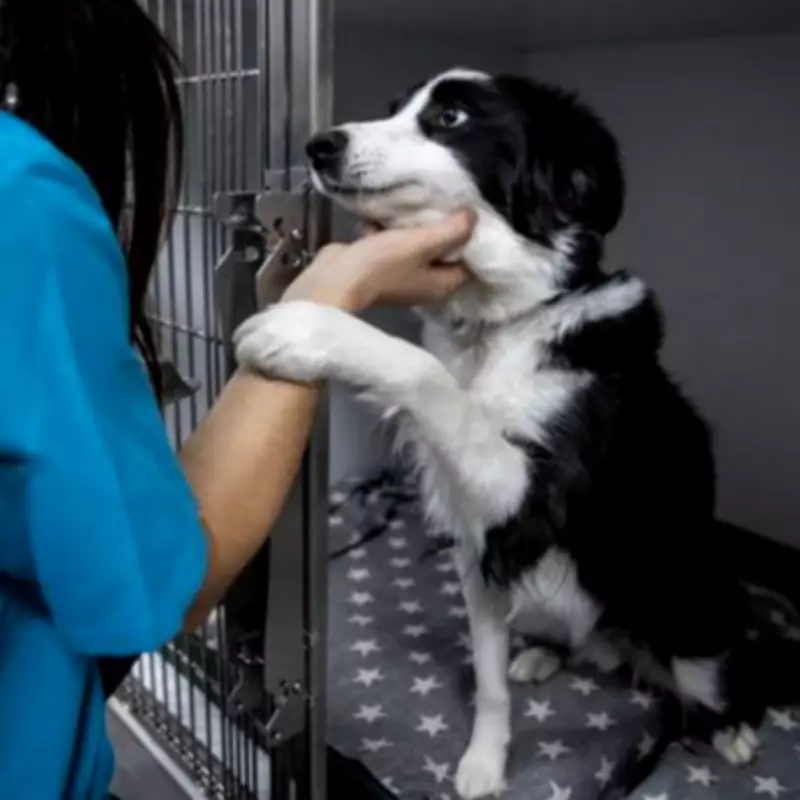
Dog Groomer Shares Key Sign to Tell If Pets Are Truly Loved
A dog groomer has revealed a crucial indicator that instantly shows whether a dog is "truly loved" by its owners, based on the pet's behavior during grooming appointments. According to Nicole Bellenfant, a professional dog groomer from the United States, well-loved dogs exhibit specific traits that go beyond appearance or training levels, offering insights into their home life.
Behavioral Clues in Grooming Sessions
Nicole explains that dogs who are loved often behave similarly to humans, with distinct body language that is noticeable as soon as they enter the grooming facility. She notes that just as a person who isn't loved might "hang their head a little or slouch," dogs can display similar demeanors. However, dogs that feel safe and secure at home typically adapt quickly to the grooming environment, even if they are naturally nervous.
Speaking to Newsweek, Nicole said: "A dog who feels safe at home usually adapts pretty quickly. They might be a little unsure at first, but they don’t stay that way for long. They make eye contact, they relax into the space, and they're generally okay being handled. The best ones actually smile."

Trust and Handling as Key Indicators
The most significant sign, according to Nicole, is how a dog reacts to being touched in sensitive areas such as the face, paws, and tail. Dogs accustomed to gentle handling and affection at home do not panic in these situations, whereas a lack of trust can be a red flag. Nicole emphasizes that trust is built through regular care and patience, not just occasional grooming visits.
She added: "Dogs who are used to being gently handled at home don’t overreact in those moments. They might pull away a little, but they don't panic. They trust that it's going to be okay. That kind of trust usually comes from regular care and patience, not just the occasional grooming appointment."
Inclusive Grooming Practices
Nicole, who is a franchise owner of the mobile dog spa Zoomin Groomin, highlights her commitment to inclusive grooming. In a recent Instagram video shared by the brand, she stated that they never turn away dogs based on age or anxiety levels. She mentioned cases where older or anxious dogs were rejected by other groomers, but her service welcomes them all, being Fear Free certified to handle such pets with care.
She explained: "We have a lot of people who have older dogs that nobody will take, and we will go and take care of them. We also are Fear Free certified, so we take care of all the anxious dogs that people have that nobody else will take."
Grooming Frequency Guidelines for Different Dog Breeds
Grooming needs vary significantly depending on a dog's breed, coat condition, and age. Here are general guidelines based on coat length:
- Short-haired dogs: Breeds like Labradors, Staffies, or Bull Terriers typically require minimal brushing, often just once a week for a healthy coat. Professional haircuts are rarely needed, though some may need occasional undercoat trimming.
- Medium-haired dogs: Breeds such as German Shepherds and spaniels need brushing a few times weekly to prevent matting and remove dead hair. They may require professional trimming or stripping a few times annually.
- Long-haired dogs: Breeds like poodle mixes, Lhasa Apsos, and long-haired terriers demand more frequent grooming, including daily brushing to prevent matting and regular professional trims every few months, depending on factors like activity level and coat type.
For the best grooming schedule, it is recommended to research your dog's specific breed or consult a professional groomer for tailored advice.