
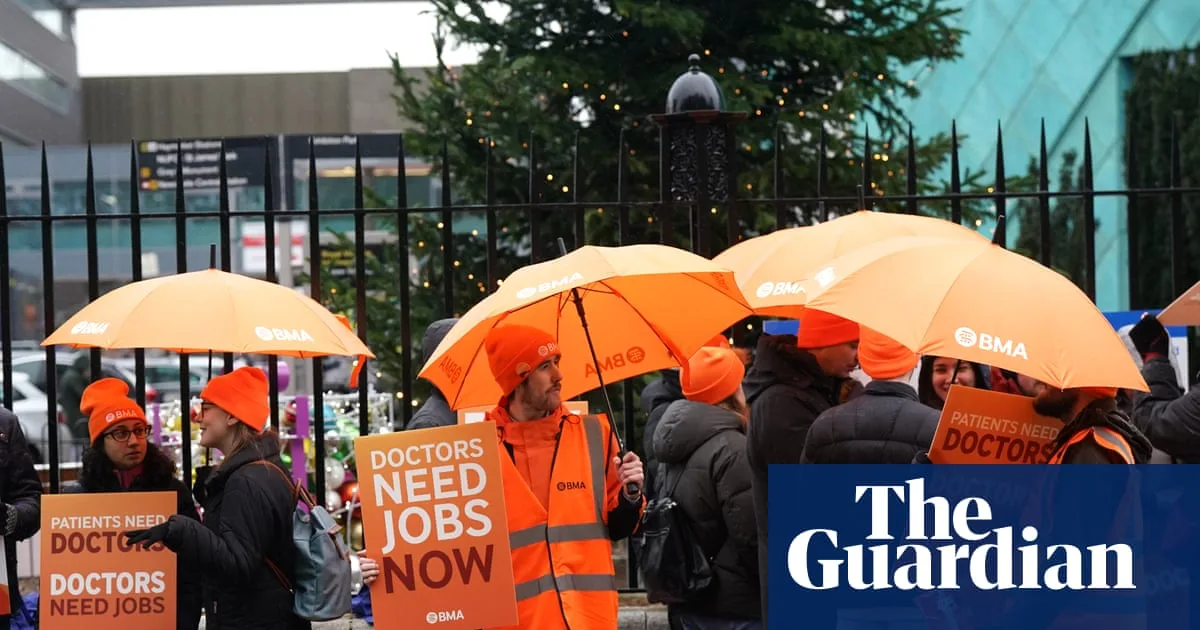
Trade unions have privately expressed qualms over the British Medical Association’s (BMA) push for a pay rise above the 3.5% offered by the government, as resident doctors prepare for strikes in England next week. The demands have strained relations among NHS unions, with some representing other staff voicing frustration at both the conduct of negotiations and the BMA’s position.
Over a million NHS workers—including nurses, midwives, and ambulance staff—are set to receive a 3.3% increase under the Agenda for Change (AfC) system. One senior union figure said the BMA’s insistence on more than 3.5% made their own deals “a much tougher sell.” Another source criticised the leadership of resident doctors in talks, describing it as “chaotic” and hindering a pragmatic approach.
Adding to the discord, the GMB union is in dispute with the BMA over a pay offer of 2.75% to BMA staff, which is lower than the 3.5% recommended for resident doctors. A BMA spokesperson defended their stance, stating that doctors have experienced over 20% real-terms pay cuts since 2008 and that the 3.5% award fails to reverse this. They noted that their negotiating team includes both elected doctors and expert staff.
Meanwhile, a Unison analysis of NHS data in England found no improvement in pay satisfaction for AfC staff over three years, with some declines. Only medical and dental staff saw an 18-percentage-point rise in satisfaction since 2023, highlighting ongoing discontent among non-doctor NHS employees.




