Doctor's Insight on Rapidly Spreading BA.3.2 Covid Variant in the US
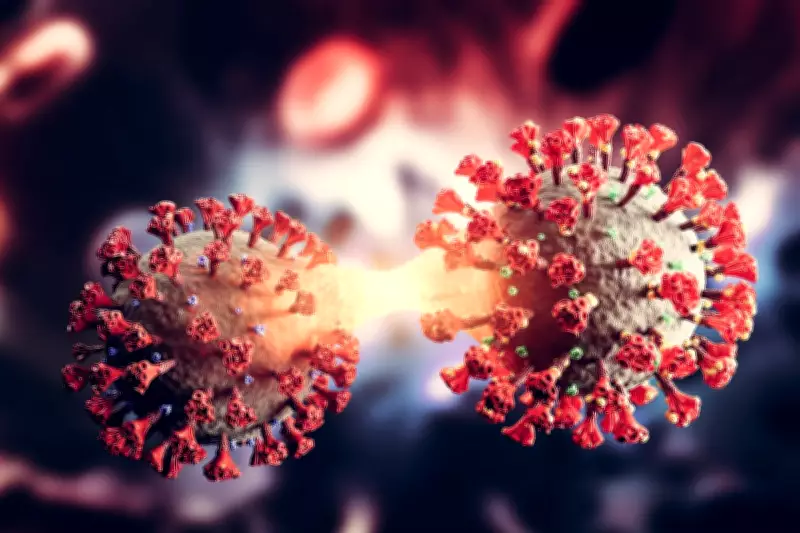
A new variant of COVID-19, known as BA.3.2 and nicknamed Cicada, is spreading rapidly across the United States. This strain has circulated under the radar since late 2024 and is now gaining momentum, raising concerns among healthcare professionals and the public alike.
Origins and Spread of BA.3.2
BA.3.2 is descended from the Omicron variant, which first emerged in late 2021. Researchers initially identified it in November 2024 in Africa, and it began its global journey in 2025. By February 2026, it had reached 23 countries. The first U.S. case was detected in a traveler in June 2025, and since then, it has been found in patients and wastewater systems across 29 states.
Wastewater monitoring serves as one of the best early detection methods for strain shifts, though the number of states submitting data to the CDC has declined since around 2022, after the peak of the pandemic.

Genetic Differences and Vaccine Implications
Compared to the current predominant strains from the JN.1 lineage, BA.3.2 carries 70 to 75 genetic changes in its spike protein. This protein is crucial for the virus to enter cells and is also the target for vaccines, which prime the immune system to recognize the virus.
Current COVID-19 vaccines are designed to protect against JN.1 strains, which have been dominant in the U.S. since January 2024. However, BA.3.2 is significantly different, making it almost a stranger to the U.S. population. This means the vaccine may not be as effective in priming the immune system against it, potentially allowing the variant to evade detection more easily.
It is important to note that vaccines still reduce hospitalizations and deaths from COVID-19, but a poorly matched vaccine can delay the immune response, giving the virus more time to spread.
Potential Dangers and Health Risks
Because people's immune systems may not recognize BA.3.2 as efficiently, this variant could lead to a wider spread of infections, possibly causing a spike in COVID-19 cases. However, there is no indication that BA.3.2 is more dangerous or causes more severe disease than previous variants that have circulated in recent years.
Protection remains vital, especially for individuals with chronic health conditions, such as lung disease, who are at higher risk for severe illness. Additionally, while the incidence of long COVID has decreased since the early pandemic, it still occurs in about 3 out of every 100 cases.
Practical Steps to Stay Safe
To minimize the risk of getting or spreading COVID-19, consider these commonsense measures:
- Wash your hands regularly: After using the bathroom, before preparing or eating food, and after contact with sick individuals. Hand-washing can reduce the chance of respiratory infections by 16% to 21%.
- Stay home if unwell: This not only aids personal recovery but also prevents spreading the virus to others, including those with underlying health conditions.
- Spend time outdoors: Reducing exposure in crowded environments lowers the risk of infection.
- Consult a healthcare professional: If you have concerns about your risk due to personal health issues, seek advice from a trusted clinician for tailored guidance.
As a pulmonary and critical care doctor, I emphasize that while BA.3.2 poses challenges, staying informed and taking proactive steps can help manage its impact effectively.