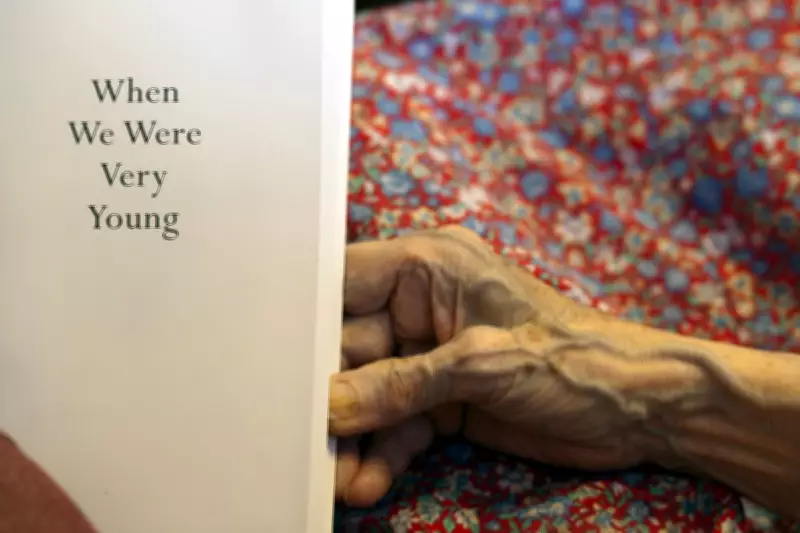
Dementia Overtakes Heart Disease as Australia's Leading Cause of Death
Dementia has officially become the foremost cause of death in Australia, a significant development that has triggered urgent calls from public health experts for a fundamental "shift in thinking" regarding the disease. This neurological condition now affects an estimated 446,500 individuals across the nation as of 2026, according to comprehensive data released by the Australian Institute of Health and Welfare and the Australian Bureau of Statistics.
Alarming Mortality Statistics and Underlying Causes
The statistics reveal a stark reality: dementia caused approximately 1,200 more deaths than heart disease in 2024, thereby securing its position as the leading cause of mortality. Over the subsequent two years, the condition has been responsible for one in every ten deaths throughout the country. It is important to note that while many fatalities are officially attributed to more immediate conditions such as pneumonia or cardiac arrest, medical professionals consistently list dementia as the underlying cause in these cases.
Expert Warnings and Projected Growth
In a compelling letter published in the Australian and New Zealand Journal of Public Health, a leading authority issued a grave warning. Dr Tanya Buchanan, Chief Executive of Dementia Australia, emphasized that "without significant intervention," the number of Australians living with dementia is projected to surge to over one million by the year 2065. Dr Buchanan challenged a pervasive misconception, stating, "Dementia is not an inevitable disease of old age. Whilst we cannot change getting older, genetics or family history, there are things we can do to reduce our risk of dementia."

Addressing Misconceptions and Modifiable Risk Factors
Research indicates this misunderstanding is widespread. A 2024 survey found that more than a quarter of Australians erroneously believed there was nothing they could do to lower their dementia risk. Dr Buchanan highlighted that "in Australia, 43 per cent of dementia burden is attributable to six modifiable risk factors that we want all Australians to be aware of." These critical factors include:
- Tobacco use
- Overweight and obesity
- Physical inactivity
- High blood pressure in midlife
- High blood plasma glucose
- Impaired kidney function
Calls for National Action and Preventative Strategies
Experts are now advocating for substantial federal government investment in a national brain health campaign and a comprehensive overhaul of health strategies. Professor Terry Slevin, Chief Executive of the Public Health Association of Australia, drew a parallel with other diseases, noting, "Australians have come to understand that many cases of cancer and heart disease are preventable. We now need a similar shift in our thinking on dementia to focus more on prevention. Right now we are seeing the burden of dementia growing, placing increasing pressure on the Australian healthcare system."
Current estimates suggest that approximately two in five dementia cases in Australia are preventable. Professor Slevin reinforced this point, stating, "Most of the things that help our physical health will also reduce risk of dementia. There’s currently no cure for dementia, so prevention and early intervention are the best options we have." Dr Buchanan further elaborated on the necessary approach, advocating for "promoting prevention and addressing risk factors from childhood right through to older age," alongside a renewed focus on early detection and intervention.