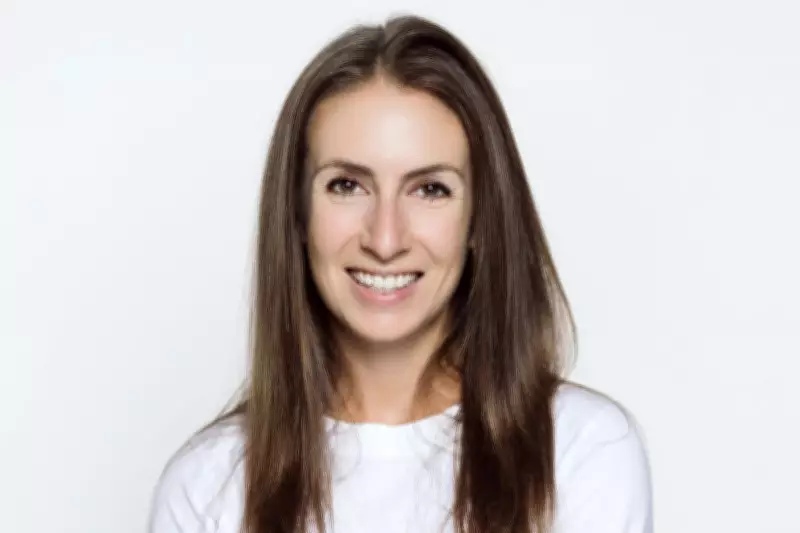
Decade of Debilitating Pain Before PCOS Diagnosis
Lynda Wilkes-Green first sought medical help for her excruciatingly heavy periods at age 16, experiencing pain so severe it made her vomit. For years, she navigated countless doctor appointments, desperately seeking answers for her ongoing suffering. It wasn't until 2020, when she reached 28 years old, that she finally received a diagnosis of polycystic ovary syndrome (PCOS).
The Reality of Polycystic Ovary Syndrome
PCOS represents a hormonal imbalance affecting ovaries, menstrual cycles, and fertility in approximately one in ten women across the United Kingdom. The condition carries significant health implications, including increased risks of pregnancy complications, heart disease, and generally diminished quality of life. Alarmingly, the World Health Organisation estimates that up to 70 percent of women worldwide with PCOS remain undiagnosed.
"I'd never even heard of PCOS until I found out I had it," Wilkes-Green revealed. "The doctor diagnosed me, handed me a prescription for the contraceptive pill and sent me on my way." She recalled leaving that appointment terrified, convinced she had a frightening condition that would prevent her from ever having children, yet receiving no educational support or guidance about managing her diagnosis.

Contraceptive Pill Prescriptions and Worsening Symptoms
In her experience, medical professionals consistently promised that contraceptive pills would resolve all her issues. Instead, the medication exacerbated her problems. Her pain showed minimal improvement while premenstrual syndrome symptoms intensified dramatically. "My mood was really low – especially during my luteal phase," she explained, referring to the period immediately following ovulation.
Despite returning to doctors multiple times to express that the treatment wasn't working for her, and experimenting with numerous different pills and dosages, she never found pharmaceutical relief. "For me, it made matters worse," she stated unequivocally.
Professional Life Amidst Chronic Pain
By the time of her diagnosis, Wilkes-Green had established herself as a junior lawyer, facing workplace expectations that made managing her condition particularly challenging. "I never felt like I could take days off if I was in pain because there was an expectation that you'd be in the office, working long hours," she described.
"There'd be times I was in so much pain that I'd be doubled over in agony," she recalled. Her only recourse involved taking painkillers and persevering through the discomfort, though vomiting would sometimes eliminate the medication from her system. Some days proved so debilitating she couldn't eat anything at all.
Additional Symptoms and Personal Research
Beyond the menstrual pain, adult acne emerged as another significant symptom, with breakouts flaring along her jawline, chin, and neck due to elevated testosterone levels. Despite investing substantial money in dermatologists and antibiotics, nothing provided lasting relief. A severe breakout on her wedding day, following contraceptive pill use, became her breaking point. "I decided enough was enough," she declared, stopping the pill and embarking on her own research journey.
Wilkes-Green immersed herself in books, online resources, and Instagram communities, absorbing information from other women's experiences. She studied Dr Hazel Wallace's book The Female Factor and learned that while PCOS has no cure, management through lifestyle changes offered potential relief. Through trial and error, she discovered that strength training, reducing gluten and dairy consumption, eating more whole foods, and minimizing ultra-processed foods significantly improved her symptoms.

Creating Solutions Through Personal Experience
After approximately six months of dedicated research and symptom tracking, Wilkes-Green finally began gaining control over her condition. This personal breakthrough inspired her to develop the Ahlya app, designed to help other women experiencing similar cyclical symptoms including pain, bloating, and exhaustion. She invested €80,000 (approximately £69,000) of her personal savings after hearing from friends that existing tracking applications fell short of their needs.
The Ahlya app enables users to track daily symptoms while receiving personalized insights for managing low mood, energy levels, and other hormone-related challenges through a holistic health approach. With approximately 1,500 global downloads, the application hasn't yet broken even financially, but Wilkes-Green continues working full-time alongside a team of six freelancers to expand its reach.
Political Response and Systemic Challenges
This week, Shadow Health Secretary Wes Streeting launched a renewed Women's Health Strategy specifically designed to prevent women from being "gaslit by the health service." Wilkes-Green expressed relief that women's health issues are finally receiving public attention after years of near-taboo status, yet noted that only about 2 percent of UK medical research funding targets pregnancy, childbirth, and female reproductive health specifically.
"I'm grateful for any progress after years of being told that being in pain is part of being a woman," she acknowledged, "but we're nowhere near where we should be by now."
Calls for Systemic Change
Wilkes-Green advocates for substantial improvements in women's health education, earlier diagnosis protocols, and greater awareness of holistic treatment options. She emphasizes that earlier intervention would reduce strain on healthcare systems by decreasing repeated GP visits from women seeking answers for undiagnosed conditions.
"It shouldn't take over 10 years, as it did for me, to be able to understand their pain," she asserted. "We need to tackle the problem early on and give young women better support, so they don't get to their late twenties still wondering what's wrong."
Her decade-long diagnostic journey underscores the urgent need for addressing what Streeting identifies as "everyday sexism" and "medical misogyny" within healthcare systems, ensuring women receive timely, appropriate medical attention for conditions like PCOS that significantly impact their lives.