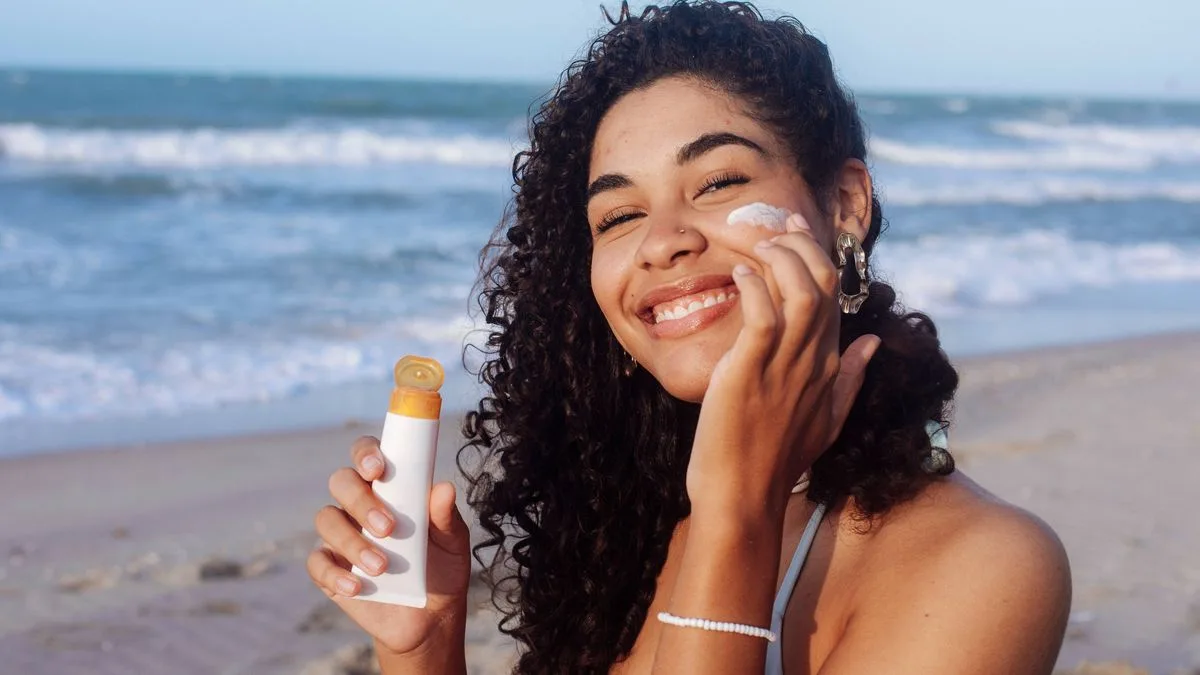
Experts Warn: Check This Small Symbol on Sunscreen Bottles This Spring
Check This Symbol on Sunscreen Bottles to Stay Safe

As the spring sunshine begins to emerge across the UK, prompting many to retrieve their sunscreen bottles from storage, health experts are issuing a crucial warning. Brits are being advised to carefully examine a small but significant symbol on their sunscreen containers before application, as overlooking it could pose serious dangers to skin health.

The Hidden Danger in Your Sunscreen

Spring weather in Britain is famously unpredictable, with sunny spells quickly giving way to rain showers. However, even on days when temperatures remain moderate, the sun's ultraviolet rays can still cause harm. This makes the regular use of sunscreen essential for protecting skin from potential damage. Yet, before you start applying last year's leftover sun cream, specialists emphasise the importance of checking one specific symbol on the back of the bottle.

Understanding the Period After Opening Symbol

In a recent social media clip shared by the consumer advocacy group Which?, it was revealed that sunscreen bottles contain vital information regarding their shelf life after being opened. This information is conveyed through the Period After Opening (PAO) jar symbol, which resembles a small jar with its lid removed. Inside this symbol, you will find a number followed by the letter "M," such as "8M" or "12M," indicating the number of months the product remains effective post-opening.

Wide Pickt banner — collaborative shopping lists app for Telegram, phone mockup with grocery list

Remembering the exact date you opened a sunscreen bottle can be challenging, so experts recommend a simple solution: use a permanent marker to write the opening date directly on the container. This practice allows you to easily track whether the sunscreen is still viable after months of storage, particularly over the winter period.

Risks of Using Expired Sunscreen

While using out-of-date sunscreen is not inherently dangerous, the active ingredients that shield your skin from harmful UV rays can degrade over time. This deterioration may leave you vulnerable to sunburn, even if you believe you are adequately protected. Rutledge Forney, a board-certified dermatologist, explained to the Skin Cancer Foundation: "Sunscreen does lose its effectiveness over time, and you need to respect the expiration date. I have seen numerous sunburns on patients who realised too late that their sunscreen was expired."

Forney further advised: "If you can't find an expiration date on the product you're using, you should mark the month and year you purchased it. It should be good for about three years after that date." This guidance underscores the importance of vigilance in maintaining skin safety.

How to Choose the Right Sunscreen

Applying sunscreen to prevent sunburn is critical, as sunburn significantly increases the risk of developing skin cancer. According to the NHS, sunburn remains a genuine threat even on cloudy days, making protection essential regardless of weather conditions.

When selecting a sunscreen, ensure the label includes:

  • A sun protection factor (SPF) of at least 30 to guard against UVB rays.
  • At least 4-star UVA protection for comprehensive coverage.

It is equally important to apply the correct amount of sunscreen, as many people use insufficient quantities. As a general rule, adults should use approximately 6 to 8 tablespoons of sunscreen to cover their entire body adequately.

By paying attention to these details and regularly checking the PAO symbol, you can better protect your skin and reduce the risk of sun-related health issues this spring and beyond.

Pickt after-article banner — collaborative shopping lists app with family illustration