
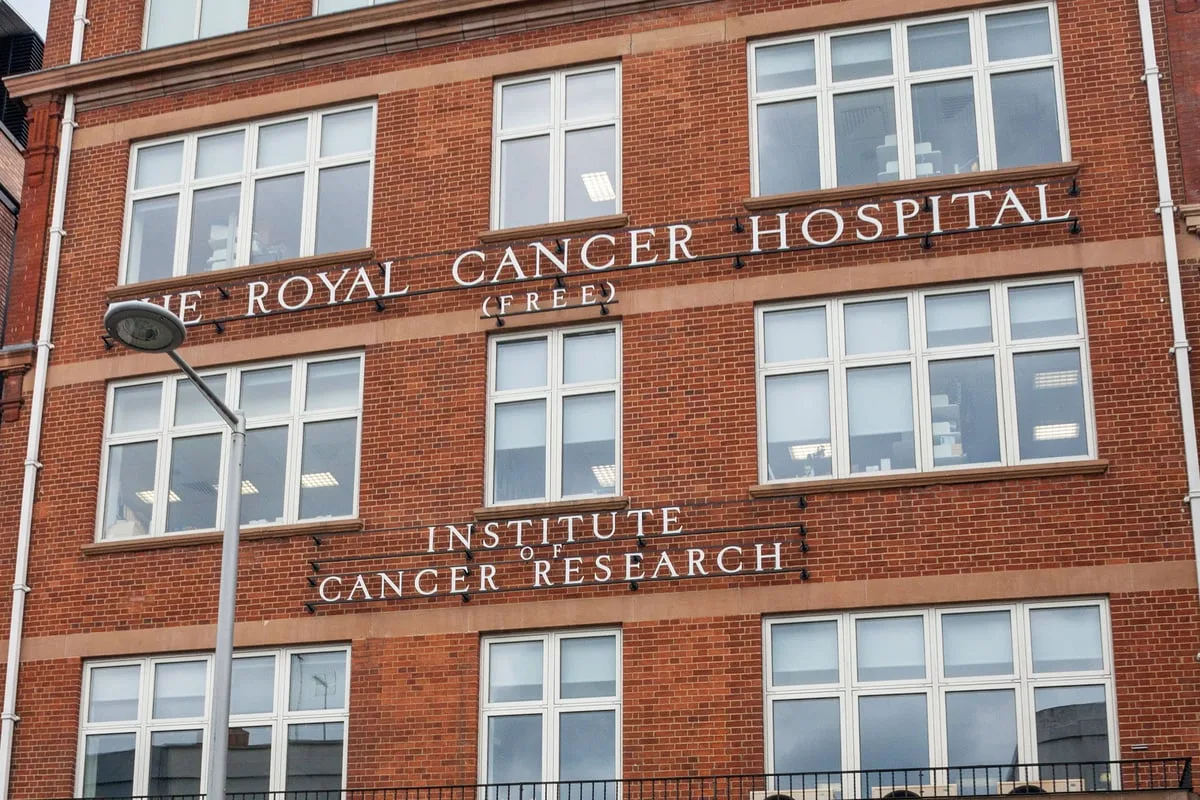
Doctors have praised “unprecedentedly strong responses” to an injection that eradicated entire tumours in otherwise treatment-resistant cancer cases during a trial. The treatment shrank tumours for 42% of patients in the Institute of Cancer Research (ICR), London, international study.
Scientists gave amivantamab to people with recurrent and/or metastatic head and neck cancer that had stopped responding to standard treatments. Amivantamab is a small injection, unlike many cancer medications that require intravenous drips.
One participant with tongue cancer said the treatment reduced his pain and swelling, and he is no longer experiencing the “life-impacting” side effects he had during chemotherapy. Professor Kevin Harrington, professor in biological cancer therapies at the institute and consultant oncologist at The Royal Marsden NHS Foundation Trust, said: “These are unprecedentedly strong responses in patients whose disease has become resistant to both chemotherapy and immunotherapy.”
Head and neck cancer is the sixth most common cancer worldwide, affecting around 12,800 people in the UK each year. This phase of the OrigAMI-4 trial looked at 102 people with recurrent or metastatic head and neck squamous cell carcinoma (HNSCC), whose cancer had continued to grow despite immunotherapy and platinum-based chemotherapy.
Tumours shrank in 43 participants – 15 had them disappear completely and 28 saw their tumours shrink significantly. Patients on amivantamab lived for a median of 12.5 months after starting treatment, despite having a cancer type with “very poor outcomes” once standard treatments stop working, the ICR said.
The drug is a bispecific monoclonal antibody that blocks two signals: EGFR and MET, and also helps activate the immune system. It is given every three weeks and side effects were mild to moderate. Fewer than 10 patients stopped treatment because of side effects.




