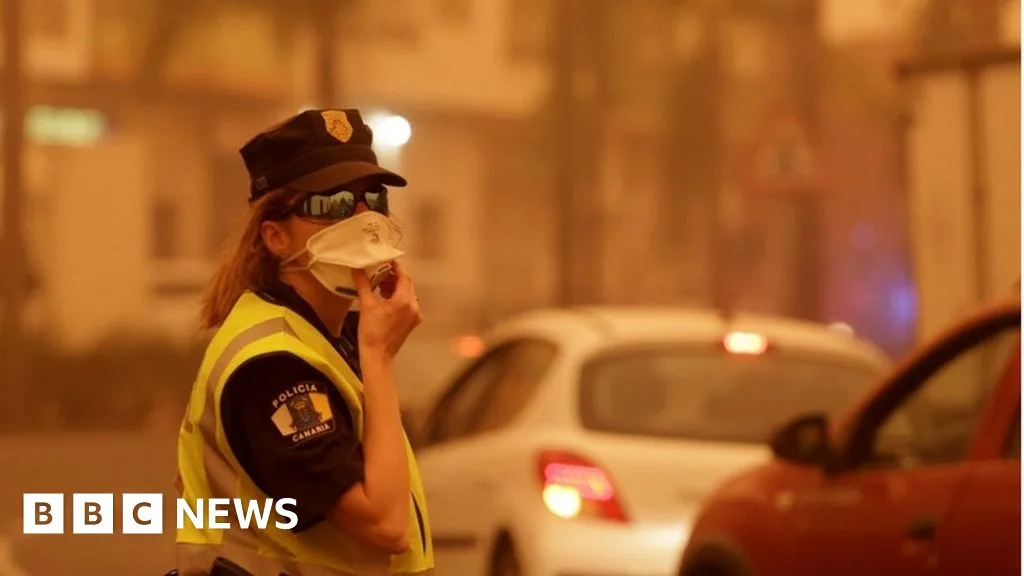
Health officials in the Canary Islands have issued urgent warnings to six specific types of tourists, urging them to take extra precautions as a massive Saharan dust plume engulfs the archipelago. The regional government has activated a "calima" alert status, advising all residents and visitors to stay indoors, keep windows firmly shut, and remain hydrated to mitigate health risks from the deteriorating air quality.
Immediate Health Risks and Vulnerable Groups
The Canary Islands Health Department, operating through the General Directorate of Public Health, has highlighted that suspended dust particles are expected to significantly reduce air quality over the coming days. This weather phenomenon, driven by strong winds carrying dust from the Sahara Desert, arrived at midday on March 30, prompting yellow weather warnings across the region.
Authorities have identified six particularly vulnerable groups who must exercise heightened caution. These include minors, elderly individuals, people with chronic respiratory or cardiac conditions such as asthma or bronchitis, pregnant women, outdoor workers, and smokers. For these groups, exposure to the dust can lead to severe health complications, including asthma attacks, respiratory infections, and aggravated cardiovascular issues.
Specific Recommendations for Protection
In response to the crisis, health experts have provided a detailed list of protective measures. Residents and tourists are advised to avoid extended periods outdoors, refrain from strenuous physical activity outside, and keep all windows and doors closed to prevent dust ingress. Additionally, it is recommended to clean surfaces with damp cloths, take prescribed medications as usual, avoid humid environments, and monitor official updates from the Canary Islands Government's Air Quality Monitoring Network.
Spanish news outlet Canarias7 reports that even mild symptoms such as nasal and throat irritation, itchy eyes, and coughing are common during such events. However, the situation can escalate quickly, with hospital visits typically increasing during and up to five days after the dust episode subsides. In case of worsening respiratory symptoms, individuals are urged to call emergency services at 112 immediately.
Regional Impact and Weather Context
The Saharan dust alert primarily affects popular tourist destinations including Gran Canaria, Lanzarote, and Fuerteventura. Coastal and wind advisories have also been issued for Tenerife, El Hierro, La Gomera, and La Palma, where rough seas and large swells pose additional risks to beachgoers and ferry operations. This comes merely days after Storm Therese battered the islands, unleashing unprecedented rainfall exceeding 700 litres per square metre in some areas and transforming streets into rivers.
Island President Rosa Dávila emphasised the government's commitment to public safety, stating, "We are facing a changing situation, with a storm that maintains an unstable behaviour. Our priority is to anticipate and protect the public." Emergency alerts were disseminated via mobile phones in northern Tenerife to ensure widespread awareness of the impending hazards.
Broader Implications for Tourism
The timing of this weather event is particularly concerning given the Canary Islands' reliance on tourism. In 2024 alone, the archipelago welcomed 6.3 million British visitors, underscoring the need for clear communication and robust safety protocols. Tourists are encouraged to check the Air Quality Index (AQI) regularly and adhere to all official guidelines to minimise health risks during their stay.
As the region grapples with the dual challenges of residual storm damage and the incoming dust plume, authorities remain vigilant in monitoring conditions and providing timely updates to safeguard both residents and the vital tourism industry.






