
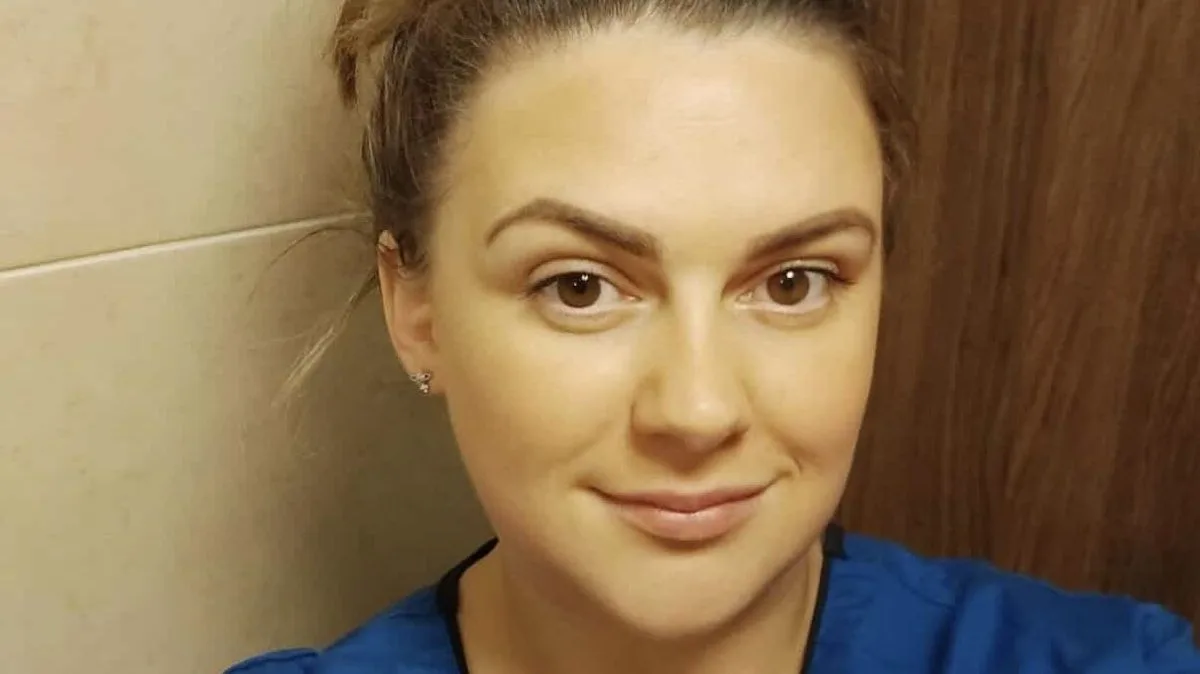
A mother has told how she was forced to plan every journey around the nearest toilets after a devastating side-effect from her C-section left her in agony for eight years. Jenna Robinson, 38, from Beverley near Hull, said her nightmare began after she gave birth to her daughter by caesarean section. She was struck down with crippling constipation, pain, bloating, fissures and piles, which she says took over her life.
“I had to plan journeys around toilets. I was in constant pain and bloated all the time,” she said. “Once, we went to the seaside with my children but had to turn straight back because the pain was unbearable.” The mum-of-three spent years desperate for answers, undergoing extensive tests for Crohn’s disease and colitis, but they all came back clear. She endured multiple treatments, including several rounds of anal Botox injections to try to relax the muscles.
Eventually she was diagnosed with chronic fissures and piles, which caused daily pain and bleeding. She later learned she had slow transit constipation, a condition where stool moves extremely slowly through the bowel. Jenna also lives with functional neurological disorder (FND), diagnosed in 2019, as well as fibromyalgia. “My neurological consultant explained that slow transit constipation could be another umbrella symptom of FND,” she said.
At her worst, she would not open her bowels for at least nine days at a time. “I would have panic attacks before going to the toilet because I knew how painful it would be. I’d bleed heavily and pass blood clots. It felt like trying to put a triangle through a circle - it just doesn’t work,” she said.
After eight years of suffering, Jenna underwent surgery to create a loop ileostomy, which diverts stool away from the bowel. The former dental nurse said the operation transformed her life. “My quality of life is so much better now. After the surgery, it was like somebody waved a magic wand,” she said. Although the ileostomy could be reversed, she does not expect to go down that route.
Looking back, she says being listened to made all the difference. She changed consultants to a female doctor who she felt was more compassionate and referred her to specialists. Jenna is now determined to raise awareness of slow transit constipation and urge others not to suffer in silence. “I waited eight years for the right treatment – I hope others don’t have to wait as long as I did,” she said.




