
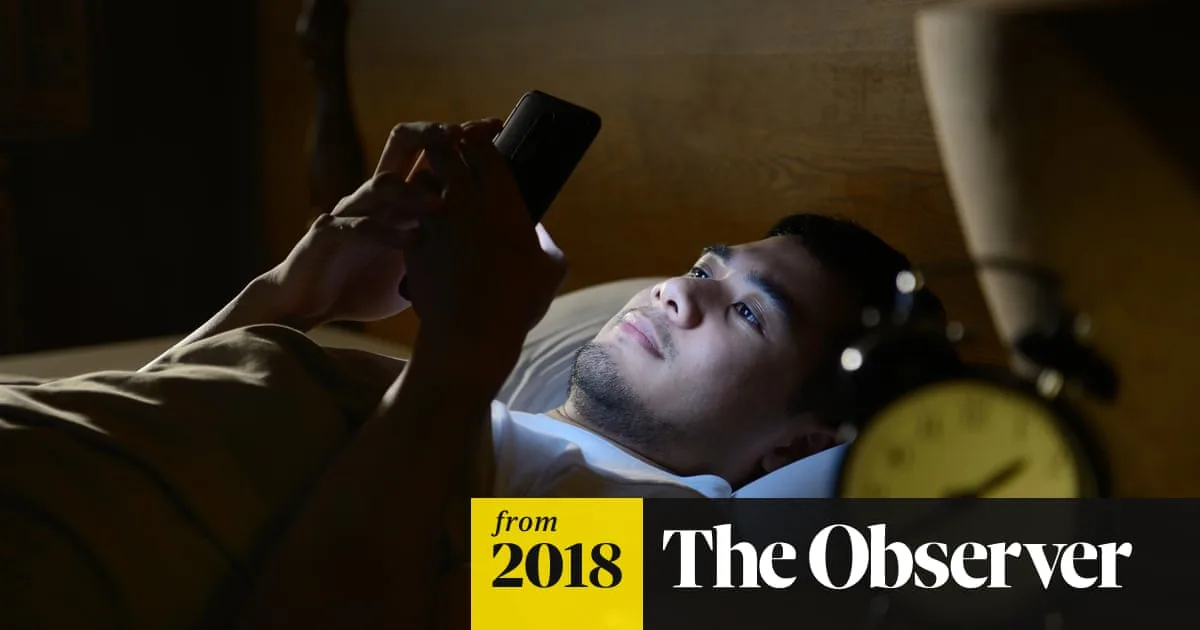
Britain is facing an epidemic of sleeplessness, with significant numbers of working adults chronically sleep-deprived, according to a new book by clinical psychologist Prof Vicki Culpin. In The Business of Sleep, she warns that many are unaware of the serious cognitive and health consequences of insufficient or poor-quality sleep.
The book highlights that getting less than seven hours of rest a night increases the risk of physical and mental health problems, including depression, dementia, heart attack, stroke, obesity, cancer, and diabetes. Research cited shows that Britons sleep an average of 6.8 hours per night, with 16% sleeping fewer than six hours and another 19% between six and seven hours.
Sleeplessness also carries a significant economic cost. The UK loses 200,000 working days annually to absenteeism due to lack of sleep. Culpin estimates that getting the right amount of sleep could save the UK economy between $36.7bn and $50bn (1.36%-1.86% of GDP) each year.
Culpin identifies key causes including jetlag, alcohol, caffeine, noise, shift work, and electronic media use. However, she points to “macho attitudes” in organisations that promote presenteeism and long-hours culture as a primary culprit. She hopes her book will serve as a wake-up call for businesses to prioritise sleep.
Dr Mike Farquhar, a sleep expert at Evelina Children’s Hospital, agrees that too many Britons do not prioritise sleep. He warns that people underestimate the benefits of a good sleep routine and the long-term health consequences of neglecting it.




