
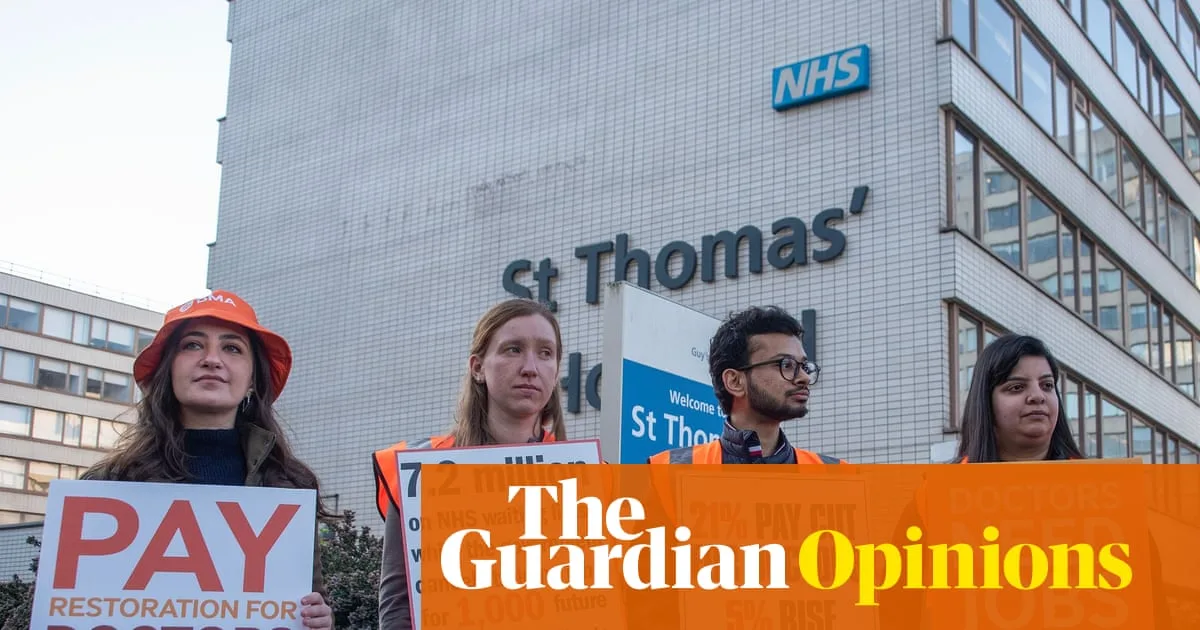
Negotiations between the British Medical Association (BMA) and the government over junior doctors' pay have collapsed, with both sides hardening their positions. The Labour government, which inherited a 22.3% pay rise offer, believed the dispute was resolved, but the BMA is now demanding a further 26% increase to restore pay to 2008 levels. Health Secretary Wes Streeting has described this demand as 'impossible,' noting that junior doctors are 'by a country mile the standout winners of the entire public sector workforce when it comes to pay rises'.
The industrial action, which began in March 2023, has cost the NHS an estimated £3 billion, with consultants covering for striking doctors at a cost of £50 million per day. Despite the strikes, 95% of treatments are still delivered, and waiting times have not increased. Some reports suggest that A&E departments function better during strikes due to senior consultants handling cases. However, the NHS is described as the 'heavy loser,' with funds diverted from treatments and staff.
A key sticking point is the shortage of training posts. When Labour took office, only one in four newly qualified doctors could progress to their chosen specialism. Streeting increased this ratio to one in two by prioritising British-educated doctors over foreign applicants. He also offered 1,000 additional training places this year and 3,500 over the next few years, alongside a 3.5% pay increase (33% over three years) and payment for medical exams. The BMA rejected this offer out of hand without putting it to members, who in the latest ballot saw only 53% turnout, with 93% voting to strike.
The government has responded aggressively, with Streeting threatening to withdraw the extra training places because the BMA refused to call off strikes. NHS England chief executive Jim Mackey also warned of reducing reliance on resident doctors in response to strikes. These moves have been criticised as 'Trumpian' and unhelpful for negotiations. Meanwhile, the BMA council is mid-election, with a record number of candidates, making compromise unlikely.
The impasse continues as both sides dig in, with no off-ramp in sight. The NHS braces for a 'huge shock' to its finances amid broader economic pressures from global trade tensions. The public perception of the NHS is slowly improving, but the billions spent on strike cover are sorely missed as the health service strives to improve outcomes.




