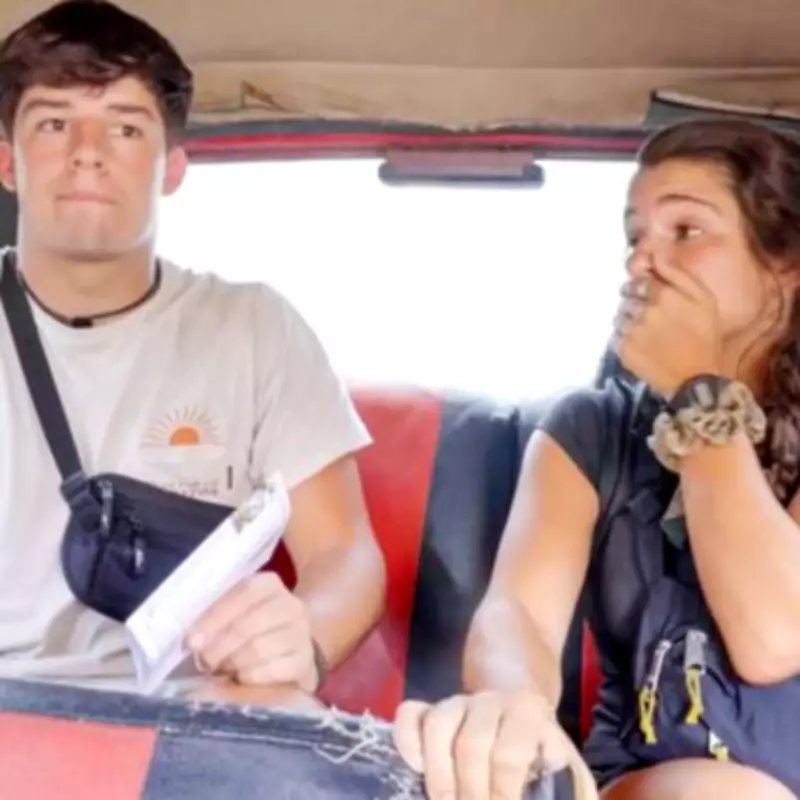
Betty Mukherjee, a rising star from the BBC's Race Across The World, has courageously opened up about a profound health battle that has shaped her life since her teenage years. The 28-year-old, who gained fame alongside her brother James on the popular travel show, has revealed she lives with MRKH syndrome, a rare condition that affects the reproductive system and left her born without a fully developed uterus.
Diagnosis and Emotional Impact
Betty was diagnosed at just 16 years old after visiting her GP when she noticed her periods never started, unlike her peers. This life-altering discovery brought initial shock and a gradual realization of its implications for her future, including fertility, relationships, and self-identity. She described carrying a "quiet insecurity" for years, particularly in dating scenarios, where sharing her condition early on often led to fear and uncertainty.
Navigating Fertility and Relationships
As she grew older, Betty faced complex conversations about motherhood and body image far earlier than most. The pressure of an internal "body clock" compounded her anxiety, but she has since found strength and openness. Now in a long-term relationship with partner Dan, she credits him with unwavering support as they embark on their fertility journey together.

IVF Treatment and Financial Challenges
The couple has turned to IVF treatment with the goal of creating embryos for potential surrogacy or a womb transplant. Their first round in October 2025 resulted in two healthy embryos, and a second round has recently been completed to increase their chances for transplant programmes. However, this process has come at a significant cost, with their initial cycle privately funded at nearly £13,000, covering medication, egg collection, and embryo creation. While NHS support has been secured for further treatment, additional testing continues to incur expenses.
Emotional Highs and Lows
Betty has been candid about the emotional rollercoaster of fertility treatment, stating, "IVF and fertility treatment can bring a lot of uncertainty, and hope can sometimes feel fragile." She balances moments of overwhelm with gratitude for medical advances that offer options previously unavailable, emphasizing her determination to become a mother despite the non-traditional path.
Advocacy and Support for Others
By speaking openly about her experience, Betty has become a beacon of support for others with MRKH syndrome, receiving messages from women and girls who felt isolated before hearing her story. She advocates for more open discussions on women's health, particularly misunderstood conditions, hoping to empower others to understand their bodies and feel less alone.
Reflecting on her journey, Betty sees motherhood as defined by care, love, and stability rather than traditional expectations. While her television adventures took her across continents, she believes her most important journey—toward building a family—is just beginning, marked by resilience in the face of emotional and financial demands.