

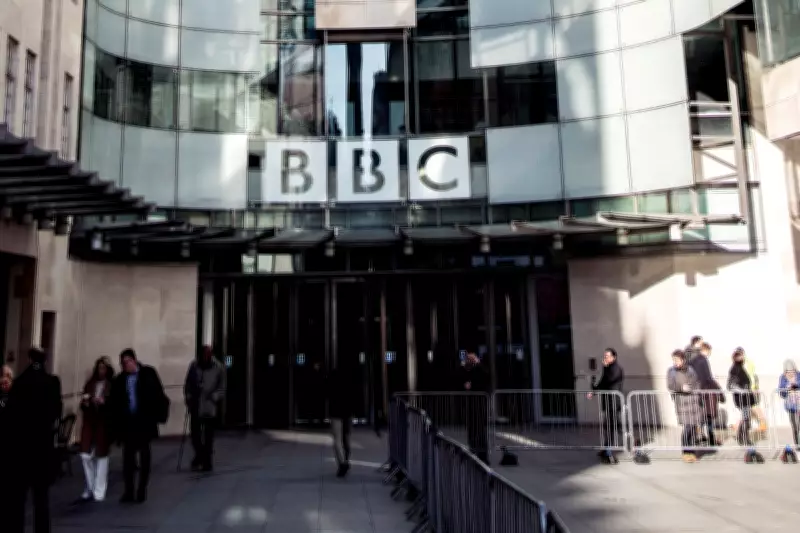
The BBC has confirmed plans to cut 2,000 jobs, a decision revealed during what staff described as a "savage" all-staff phone call on Wednesday afternoon. Employees were informed of the redundancies but given no specifics on which roles or departments would be affected, leading to significant anxiety and uncertainty across the corporation.
Staff Reaction and Internal Turmoil
One employee present on the call told the Press Association, "It was savage. They have not outlined how or where these jobs will be cut, and it's just caused huge panic." The staff member likened the situation to "a touch Hunger Games," where employees feel compelled to compete for their positions or face being "sacrificed." With approximately one in ten roles at risk, the announcement has sparked fears of a full-scale revolt among staff, compounded by the impending arrival of new director-general Matt Brittin next month.
Leadership and Government Response
Interim director-general Rhodri Talfan Davies, who led the difficult meeting, acknowledged the challenges ahead. "All of this needs to be done with real care – for our audiences and, of course, for all of you," he stated. "I know this is challenging news, and we'll need to work closely together to build our plans." Davies emphasized efforts to reduce strain and uncertainty during this transition period.

Meanwhile, Culture Secretary Lisa Nandy expressed support for the BBC on BBC Radio 4's World At One programme, calling it "one of the two most important institutions in the country" alongside the NHS. However, the government has reportedly been unimpressed with the BBC's handling of the situation, adding to the pressure on incoming leadership.
Financial Pressures and Strategic Cuts
The job cuts represent the BBC's most significant workforce reduction in nearly 15 years, driven by a strategic goal to slash costs by 10% over the next three years. This move follows earlier revelations in February that the corporation aimed to reduce spending by hundreds of millions of pounds due to "substantial financial pressures." While the BBC hopes to achieve savings of around 10% by 2029, details on which services might be impacted remain unclear.
Broader Context and Recent Changes
The BBC's financial challenges are exacerbated by intense competition from streaming giants like Netflix and Disney+, raising questions about the value for money of the licence fee. Recently increased to £180 per year on April 1, the fee funds the majority of the BBC's operations. This restructuring comes amid other cost-cutting measures, including plans to drastically reduce the team covering national events such as royal occasions to just one staff member supplemented by freelancers.
Additionally, the BBC World Service announced 130 job cuts in January 2025 as part of efforts to save approximately £6 million. These cumulative reductions highlight the broadcaster's ongoing struggle to balance budgetary constraints with its public service mandate. The departure of outgoing director-general Tim Davie on April 2, after a turbulent tenure, further complicates the landscape as Matt Brittin prepares to take the helm on May 18.






