
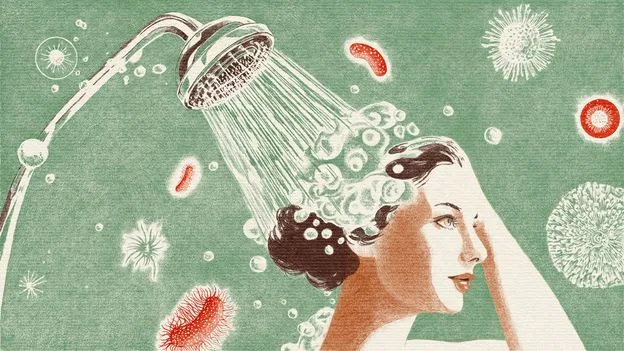
Your shower head and the pipes leading into it are a haven for bacteria and fungi. When you turn on the tap, the first blast of water can contain a plume of bacteria that has built up overnight inside the hose and head. Most of these microbes are harmless, but the exact mix depends on factors like hose material and shower frequency.
Shower hoses provide ideal conditions for bacteria: warm, wet, and undisturbed for hours. Microbes form biofilms—gooey microscopic 'cities'—that cling to surfaces. These biofilms can contain millions to hundreds of millions of bacterial cells per square centimetre. Some groups, such as mycobacteria, include pathogenic strains that cause tuberculosis and leprosy. Fungal DNA from genera like Exophiala, Fusarium and Malassezia has also been detected.
Research shows that biofilm growth peaks at around four weeks of regular use, then declines before rebounding after 22 weeks. In laboratory studies, Legionella pneumophila, the bacterium that causes Legionnaire's disease, was detected after just four weeks and during resurgence after stagnation. However, for most people, the risk of infection is low, especially with frequent shower use.
The risk is higher for clinically vulnerable individuals. Hospitals adopt stricter disinfection routines. Location also matters: a US study found higher rates of non-tuberculous mycobacteria lung disease in areas where showerheads contained more pathogenic mycobacteria, including Hawaii, Florida, and parts of California and the Northeast. Warmer climates and higher chlorine levels were associated with more of some pathogenic mycobacteria.
Simple measures can reduce risks: running the shower for a few seconds before stepping in can flush out stagnant water, and regular cleaning or replacing shower heads can help. For most healthy people, the shower remains a safe place to get clean.




