
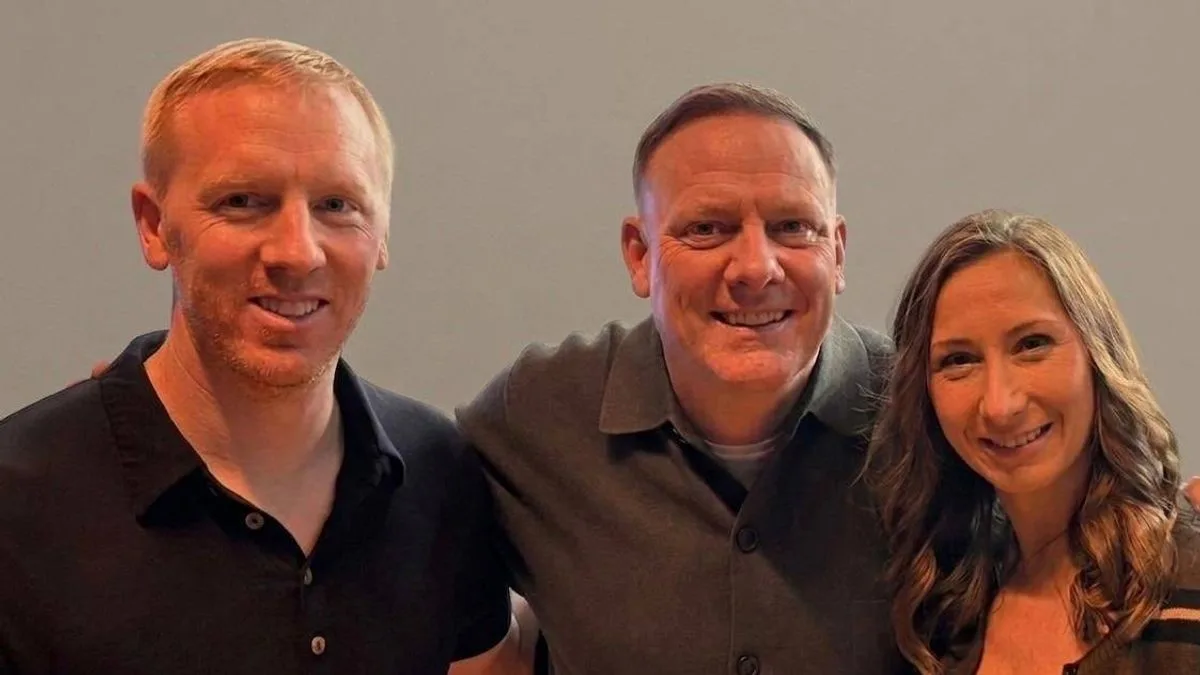
Coronation Street actor Antony Cotton has voiced support for a former paratrooper and his wife who face a demand to repay nearly £15,000 in Universal Credit after their compensation from the Armed Forces Compensation Scheme was classified as savings. James Tattingham, 39, suffers from complex PTSD after serving in Afghanistan and is unable to work, while his wife Lucy left her job to care for him.
The couple received compensation via the Armed Forces Compensation Scheme (AFCS) in 2023, which they set aside for future care. However, under current rules, AFCS payments are treated as capital after 12 months unless placed in a trust or annuity, affecting eligibility for means-tested benefits. As a result, the Department for Work and Pensions stopped their Universal Credit payments, leaving them £1,700 a month worse off, and demanded repayment of almost £15,000.
James served in Afghanistan in 2008, where he lost friends and colleagues. After leaving the military in 2010, he struggled with anger, nightmares, and flashbacks. Diagnosed with PTSD, he was deemed unfit for work. Lucy described his condition as affecting every part of daily life, including intense anxiety, depression, and suicidal thoughts. The couple have two sons, one with autism and a learning disability.
Antony Cotton, who was made an MBE in 2022 for services to the British Army, criticised the disparity in treatment of compensation schemes. He noted that schemes for victims of the contaminated blood scandal or Grenfell Tower disaster are ring-fenced indefinitely, meaning benefits are unaffected. He said: 'This goes against our Armed Forces covenant that states no member or veteran, or their families, will be disadvantaged. These veterans aren't just people who have been injured at work. These are men and women who've gone to war for us... They've been failed by the very policy designed to protect them.'
James and Lucy are calling for a change in rules so that veterans' families are not forced to spend compensation funds intended for long-term care simply to survive. James said they were not informed that putting their compensation aside would affect their benefits.




