
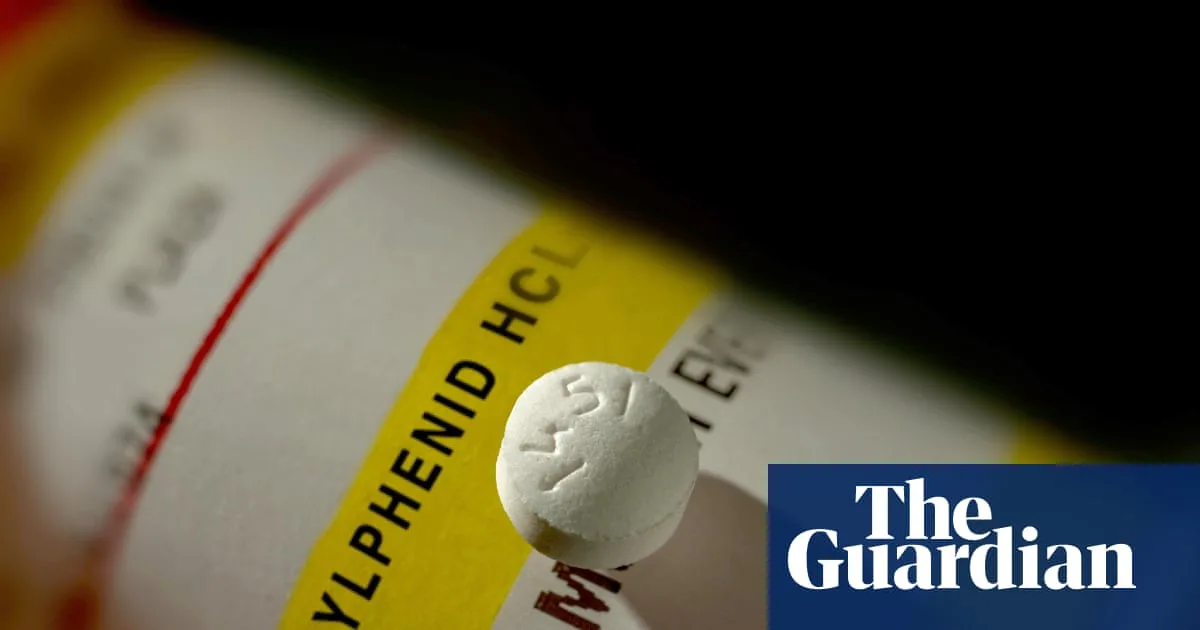
The proportion of people in the UK taking medication for attention deficit hyperactivity disorder (ADHD) has more than tripled in the past decade, with a 20-fold increase among women aged 25 and over, a new study has found.
Researchers led by the University of Oxford examined electronic health records from Belgium, Germany, the Netherlands, Spain and the UK. The UK had the highest relative increase of all ages, rising from 0.12% in 2010 to 0.39% in 2023. In the Netherlands, prevalence more than doubled from 0.67% to 1.56%.
Adult use increased substantially, particularly among women. In the UK, prevalence among people aged 25 and over rose from 0.01% in 2010 to 0.20% in 2023, with a more than 20-fold increase in women and 15-fold in men. Although ADHD medication use remained higher among males, the sex gap narrowed over time.
“We observed a consistent increase in ADHD medication use across Europe, but the most striking changes were among adults, especially women,” said Xintong Li, lead study author at Oxford. “These findings likely reflect growing awareness and diagnosis of adult ADHD, but they also raise important questions about long-term treatment patterns and care needs.”
The study, published in Lancet Regional Health – Europe, noted that ADHD medication use remained much lower than the estimated prevalence of ADHD itself, which affects about 8% of children and adolescents and 3% of adults globally. Methylphenidate was the most commonly used drug, while newer treatments like lisdexamfetamine showed steady uptake. However, treatment continuation after initiation was relatively low.
The findings come amid ongoing ADHD medication shortages in parts of Europe. In England, NHS spending on ADHD services is overshooting budgets by £164m a year, with private assessments tripling over three years. Prof Daniel Prieto-Alhambra, senior author, said: “Understanding how ADHD medications are being used is essential for healthcare planning. These data can help health systems anticipate demand and reduce the risk of future shortages.”




