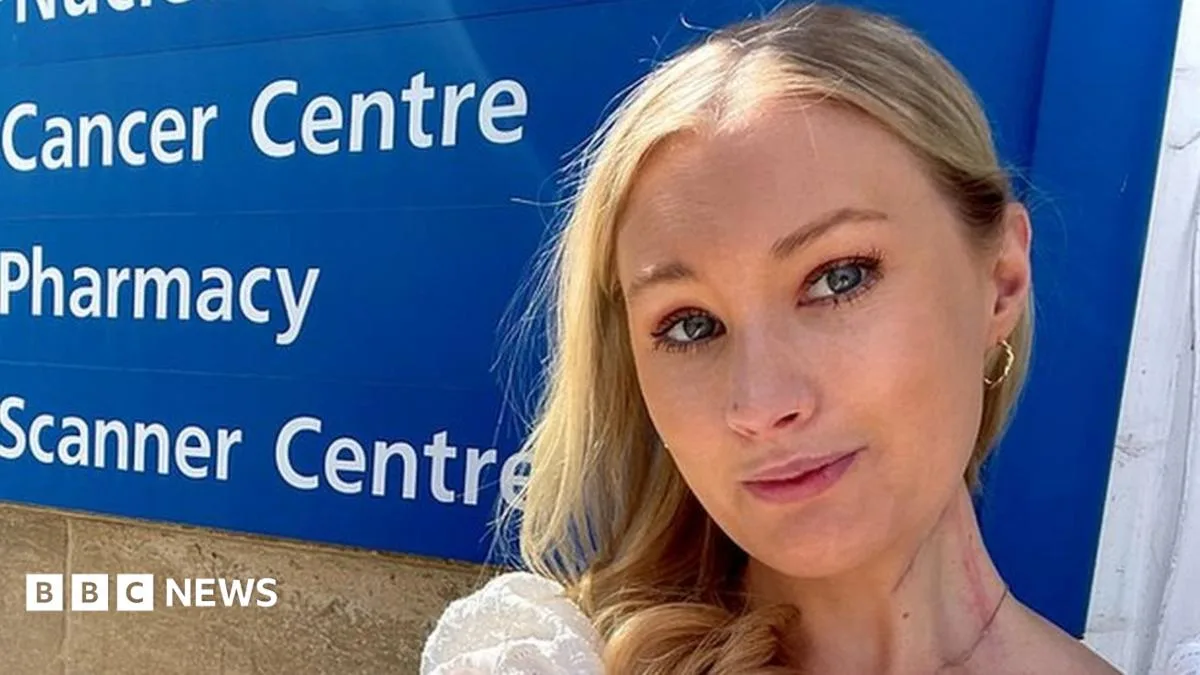
BBC journalist Sarah Lee, 29, was diagnosed with stage three malignant melanoma in January, five months after three different doctors dismissed her concerns about a new mole on her scalp. By the time it was spotted, the cancer had spread.
Lee first noticed a pea-sized black mole on her scalp last summer and visited her GP, who referred her to a dermatologist. The skin specialist told her the mole did not look unusual, that she was too young to have skin cancer, and that melanoma on the scalp was almost impossible because hair acts as a barrier to UV radiation. All three statements were incorrect.
When the mole grew and turned blue-black, Lee returned to her GP, who insisted it was a fungus that would resolve on its own. Frustrated, she pushed to see another doctor. In December, a dermatologist ordered urgent removal of the mole for biopsy, expressing concern. A week later, the mole was gone, replaced by a large scar.
Biopsy results confirmed stage three malignant nodular melanoma, the most aggressive form, which had spread to her skull and a lymph node in her neck. Lee underwent an eight-hour radical neck dissection to remove 24 lymph nodes and surrounding tissue. She is now on a 12-month course of targeted cancer drugs to prevent recurrence, with a 75% chance the cancer will not return.
Lee is encouraging others to consult a doctor if worried about their skin and to protect against sunburn. The Met Office warns that UV levels will reach 7 in the coming days, and experts recommend precautions for levels above 3. Dr Bav Shergill of the British Association of Dermatologists noted that while melanoma is more common in older people, it is one of the most common cancers in teenagers and young adults.