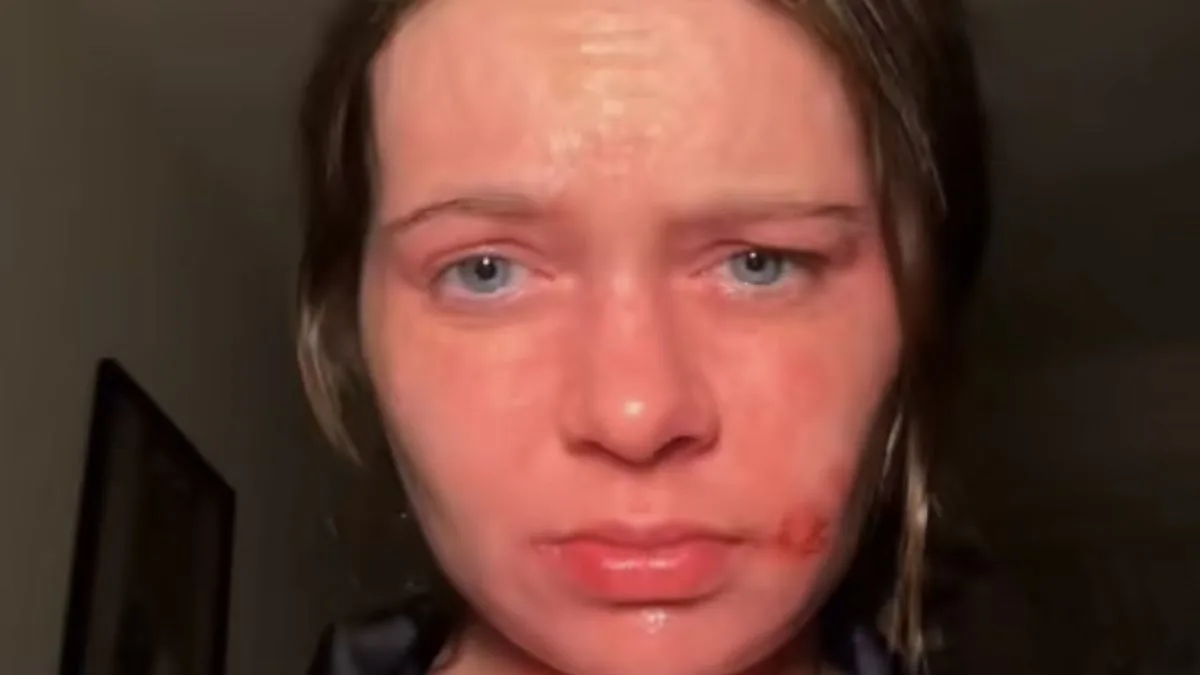
Woman, 24, Develops Sun Allergy, Burns in 15 Seconds

A 24-year-old woman with a rare allergy to the sun has described how her skin begins to burn, blister, and peel after just 15 seconds of exposure to ultraviolet rays. Jennifer Broyden, a master's student, suffers from dermatomyositis, an incurable autoimmune disease that causes her immune system to attack her muscles and skin. This condition has led to extreme photosensitivity, making sunlight intolerable.

Devastating Symptoms

Jennifer explains that within seconds of stepping into the sun, she experiences a burning, stinging sensation all over her body. “My skin will start to burn and break out into rashes, sometimes even blistering,” she says. “I quickly begin to feel nauseous and dizzy, my heart rate elevates, I sweat profusely, and feel like I am overheating to the point of wanting to pass out.” Once indoors, these symptoms subside, but she often feels exhausted and may experience extreme fatigue and worsening muscle weakness.

Diagnosis and Early Struggles

Jennifer developed the condition in 2021 as a side effect of dermatomyositis, a chronic autoimmune inflammatory disease characterized by muscle weakness, pain, and a distinctive rash on the eyelids, knuckles, and chest. Before her diagnosis, she faced significant challenges in getting medical professionals to take her symptoms seriously. “I had to advocate for myself a lot during that time,” she recalls. “Many doctors attributed my symptoms to stress, depression, or taking on too much. I was often told, ‘You’re young, fit, and healthy – just take it slow for a few weeks.’” In December 2021, a specialist finally recognized her condition as dermatomyositis.

Wide Pickt banner — collaborative shopping lists app for Telegram, phone mockup with grocery list

Living with Photosensitivity

Jennifer’s extreme sensitivity to sunlight means that even brief exposure can be dangerous. “Anything more than about 15 to 30 seconds can trigger those reactions,” she says. “In some cases, my skin can burn, blister, and then peel off. Even sitting next to a window can cause my skin to burn, so it’s not just direct sunlight.” She must be mindful of everyday environments that most people would not think twice about.

Initially, coping with her sun allergy was overwhelming and frightening. “The idea that something as normal as sunlight could cause that kind of reaction in my body was hard to process,” she admits. “It also felt isolating because it’s not something most people understand.” She found it difficult to accept that her life would need to change, particularly activities like going to the beach, swimming, tanning, and running outdoors. However, she puts her struggles into perspective: “One, two, and three years ago, I was fighting for a second chance at life, working hard to walk again. Now, being upset about outdoor activities seems small in comparison.”

Health Risks and Adaptations

Because Jennifer is immunocompromised from treatments to manage her condition, sun exposure poses additional risks. “Too much exposure can lead to me losing my independence,” she warns. “Muscle weakness can be as extreme as losing my ability to walk within weeks after significant sun exposure.” Over time, she has developed strategies to manage her symptoms. Before going outside, she applies factor 50+ sunscreen to her entire body, including often-overlooked areas like between fingers, behind knees, and around ears. She wears UV-protective clothing, including long sleeves, leggings, closed shoes, gloves, a sun-protective hat, polarized sunglasses, and carries a UV umbrella. Her car has tinted windows to reduce UV exposure, and she uses UV-protective hair products.

Jennifer avoids being outdoors between 10 a.m. and 4 p.m. in summer when UV intensity is highest. She suffers year-round but can be less strict during other seasons. Her treatment for dermatomyositis includes infusion therapies and medications that suppress her immune system to prevent it from attacking her body.

Pickt after-article banner — collaborative shopping lists app with family illustration

Life-Changing Adjustments

Since her diagnosis, Jennifer’s life has “changed drastically.” She had to change her career path from medical device sales to clinical mental health counseling because the former was too physically demanding and required frequent travel. Her wedding in 2025 was moved indoors to avoid sun exposure. “Going through something so life-altering, especially something that was life-threatening, clarified what matters most to me,” she says. “I found a deeper sense of purpose in being present and showing up as the best version of myself for the people I love.”

Jennifer has also built an online community, sharing her experience and connecting with others facing similar challenges. “I often say I wouldn’t go back and change what I’ve been through,” she reflects. “As difficult as it’s been, it’s brought incredible people into my life and helped shape me into someone I’m truly proud of.”




